
Best heat pump setting for a Tennessee winter
Set it and leave it. A heat pump works best in Tennessee winters when you pick a temperature and let the system hold it, rather than bumping it up and down through the day. Every time you raise the setting several degrees, the unit may call on backup electric heat strips to catch up fast, and those cost more to run than the heat pump itself. A thermostat that creeps up and down all day asks for that backup heat more than it needs to. The other thing worth knowing: if you see frost building on the outdoor unit, that's normal in cold, damp weather, and the system should clear it on its own through a defrost cycle. If it doesn't clear, or keeps running defrost over and over, something needs a look. Steady settings and a system that's been checked over before winter are what keep the electric bill from spiking when temperatures drop.

Thermostat calls for heat and the reversing valve stays put
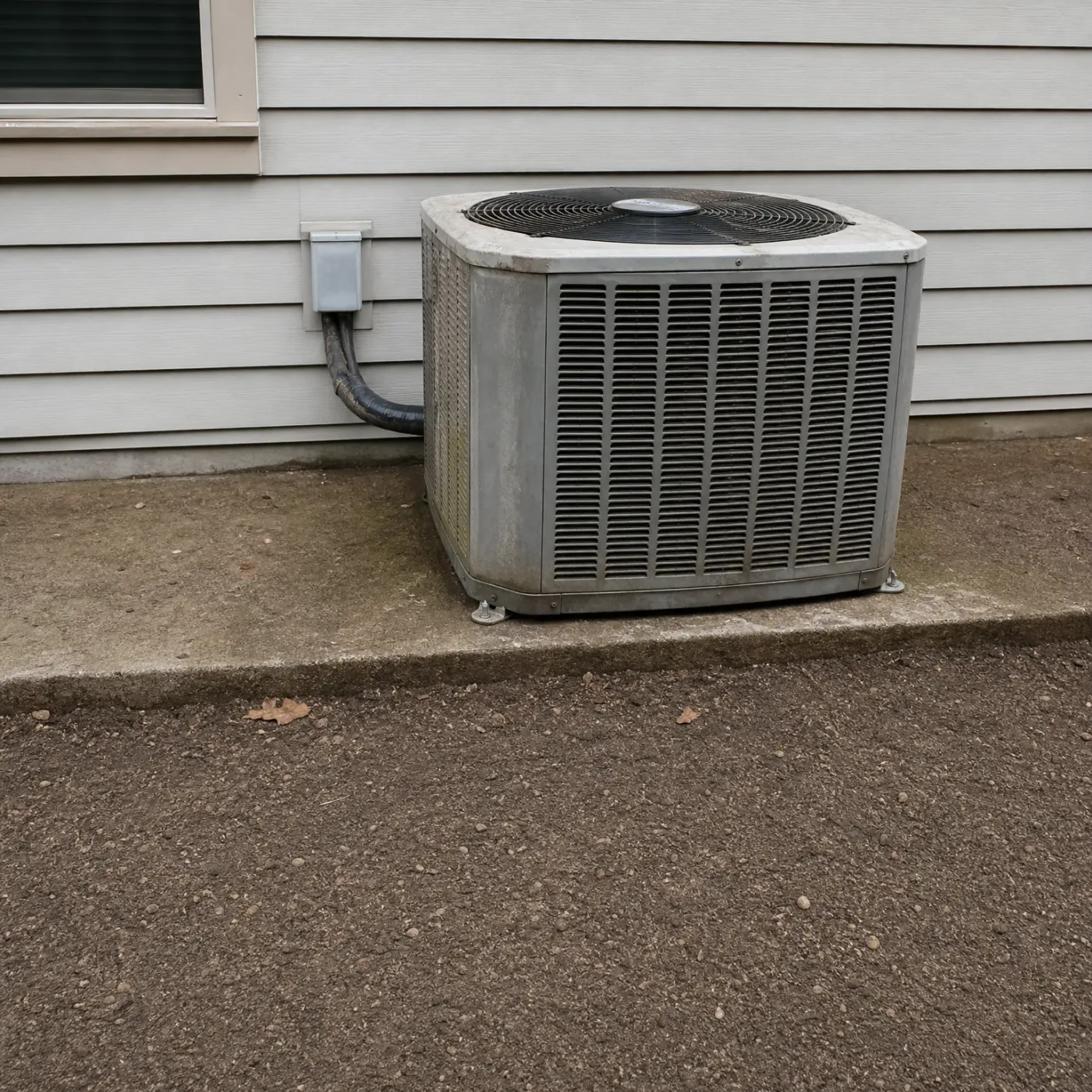
Outdoor coil pulls heat from the outside air
Compressor raises that heat to a usable temperature
Indoor coil releases the heat into your ductwork
Why does your heat pump feel like it's not keeping up?
You bump the thermostat up a few degrees and the air coming out of the vents feels cool instead of warm. That's the backup heat strips kicking in to cover the gap, and they run on straight electricity instead of the heat pump's normal cycle. You'll notice it most on the coldest mornings, when the system can't catch up fast enough on its own. The outdoor unit may also run longer than you'd expect, or seem to be working hard without much to show for it. None of this means something is broken. It usually means the thermostat is being asked to make up ground instead of holding steady. Left alone, that pattern shows up on your power bill before it shows up anywhere else.

That same heat pump that keeps you warm in January is what keeps you cool in July, and summers here are the hard part for the outdoor coil. Tennessee summers run a dew point of 66°F, averaged across June, July and August, according to NOAA climate data. Air that heavy means the coil is pulling more moisture out of the air along with the heat, and it has to work longer to do it. A coil that spends all summer working that hard is the same coil you're depending on to pull heat from cold air come winter. If it's dirty or low on charge going into fall, that's where a weak winter performance starts.
NASA POWER T2MDEW county cells weighted by homes
Steady Setting or Adjust It
Hold one temperature
- The system runs in long, steady stretches instead of short bursts that strain the compressor.
- Backup electric strips stay off, since there's no big gap for them to cover.
- Rooms stay at an even temperature instead of swinging a few degrees cold then warm.
- Power here is cheap, but the heat strips still use far more electricity than the compressor alone.
- A contractor who services heat pumps every winter can check that the system is sized to hold a steady setting without short cycling.
Adjust it through the day
- Lowering it at night or while you're out seems like it should save electricity, like it would with a furnace.
- Getting the temperature back up afterward often forces the backup strips on to close the gap fast.
- Those strips draw straight electricity, so the recovery can cost more than the system saved while it was turned down.
- The compressor cycles on and off more often, which adds wear over a winter instead of less.
- A local technician who works on these systems every season can set the thermostat's recovery settings so backup heat only kicks in when it has to.




Finding a pro stops being your job
A heat pump held at one setting all winter still needs a look before the cold sets in. The coil outside has been running since June, through every muggy afternoon this summer threw at it, and whatever strain built up over that stretch doesn't announce itself until the unit is asked to reverse and pull heat out of cold air instead. Someone who services this equipment all year in this area has seen what usually goes first here and what a Tennessee winter does to a system that went into it already worn. That's a different kind of check than a reader can do by watching the thermostat. One local contractor, licensed and already familiar with this equipment, takes the request instead of the job getting spread around. Send it now, before the first hard cold snap makes the answer urgent instead of routine.
A heat pump set at one temperature still cycles on and off all day. What costs you is the size of the jump each time it starts, not how many times it runs.
A small jump means the outdoor coil and compressor cover it alone. A big jump means the backup strips fire to close the gap fast, and those run on straight electric resistance.
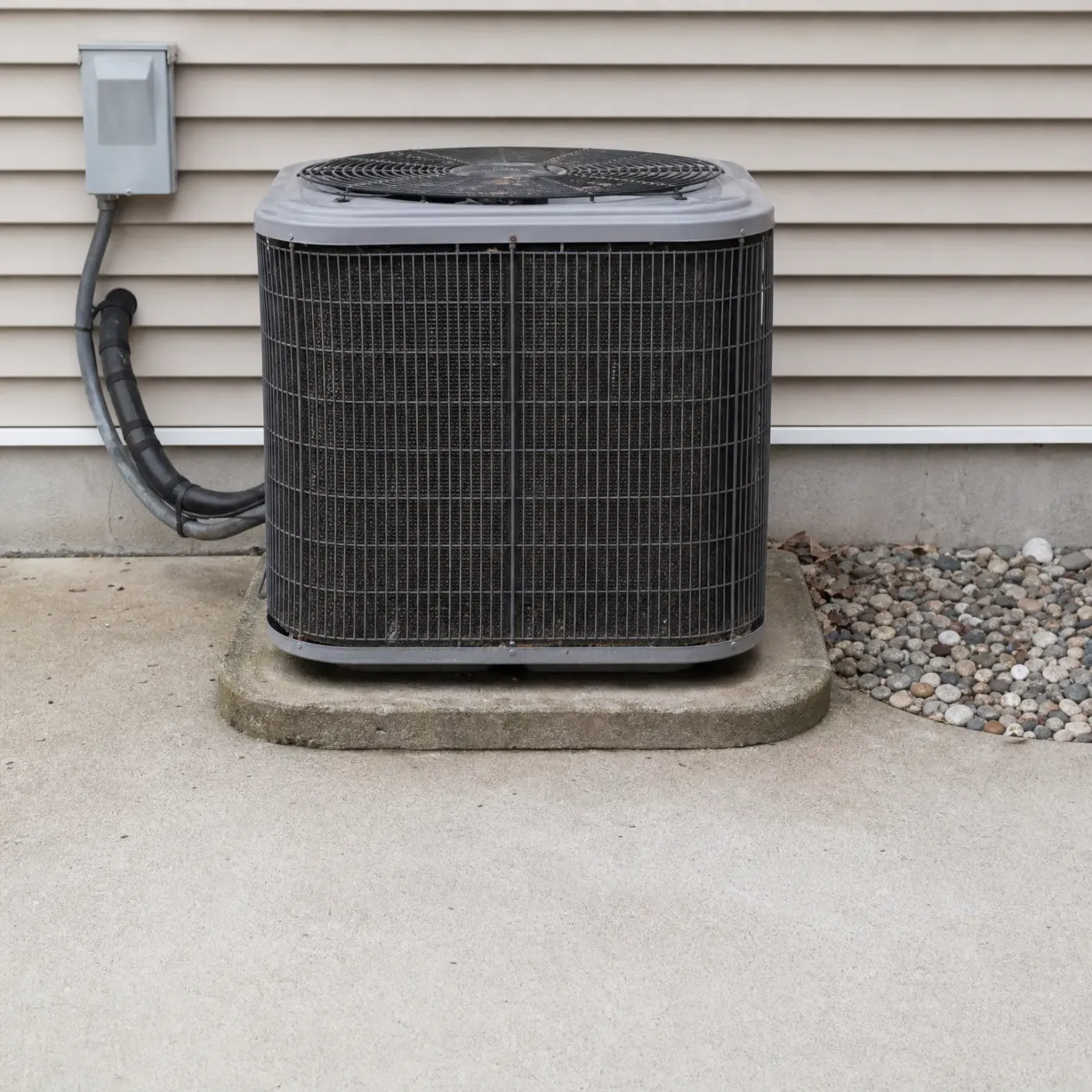
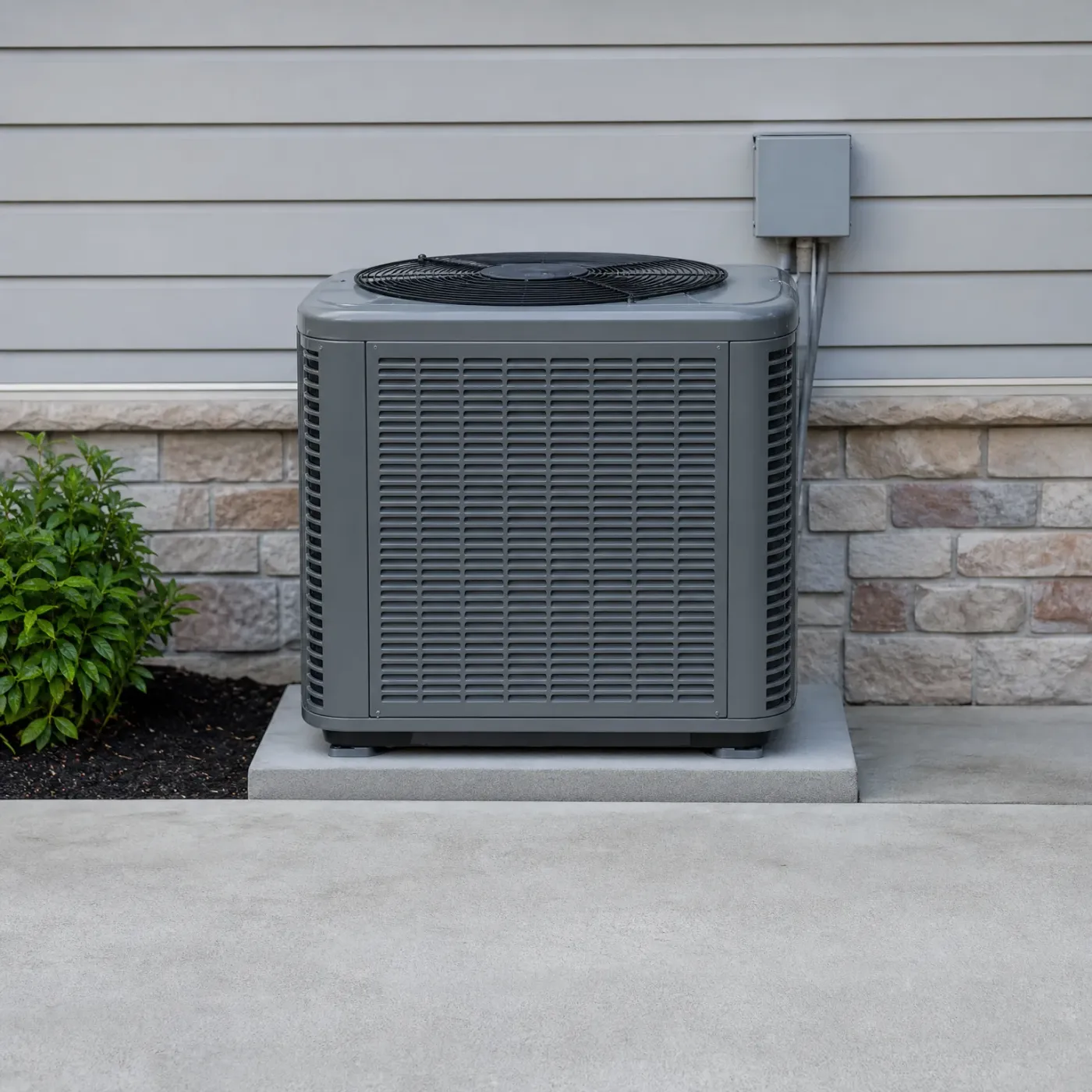
On a cold morning the outdoor unit will sometimes blow cool air and stop its fan for a few minutes. That is defrost mode, not a malfunction. Below freezing, moisture in the air can turn to frost on the outdoor coil, and frost blocks the coil from pulling heat the way it needs to. A sensor on the coil and a timer in the control board decide when a defrost cycle is due. When both say it's time, the reversing valve flips the system into cooling mode just long enough to warm the coil and melt the frost off. The outdoor fan shuts off during this, and the indoor coil pulls a little heat from your house instead of adding it, which is the cool air you feel at the vents. It runs its course in a few minutes, the coil sensor reads clear, and the unit switches back to heating on its own. You don't need to touch the thermostat. It's the system doing what it's built to do in a Tennessee winter.
What defrost mode is doing
- Defrost mode runs when the outdoor coil gets cold enough to frost over, usually between 30°F and 40°F outside.
- A sensor on the outdoor unit tracks coil temperature, and a timer in the control board tracks how long the unit has run since the last defrost cycle.
- Once both conditions are met, the reversing valve switches the system into cooling mode for a few minutes to melt the frost off the coil.
- Running in reverse means the outdoor fan shuts off and the indoor coil briefly pulls heat from your house instead of adding it.
- That's why you may feel a short burst of cool air from the vents even though the thermostat still says heat.
- The unit switches back to heating mode automatically once the coil sensor reads clear, usually within ten minutes.


Power costs 13.22 cents per kilowatt-hour statewide
At 13.22 cents a kilowatt-hour, running the backup strips costs more than running the heat pump itself ever does. Holding one setting keeps the compressor doing the work instead of the strips, and that's where the difference shows up on your bill.
EIA-861 2025 statewide residential average
One setting, held all winter
- Pick one temperature for your heat pump this winter and leave the dial alone.
- Holding steady keeps the compressor doing the work instead of the backup strips.
- A system that already runs clean handles a Tennessee winter without much drama.
- A local contractor who works on heat pumps all season knows what tends to fail first in this climate.
- One contractor means one visit scheduled, not a string of calls to sort through.
Pick a temperature your heat pump can hold and stop touching the dial. That's the whole answer. The compressor and outdoor coil were built to run long, steady stretches, and that's what keeps your electric bill from carrying the weight of the backup strips. Every big jump on the thermostat hands work to those strips instead, and in Tennessee, where most homes heat with electricity, that shows up fast.
None of that works if the system is already straining before winter starts. The outdoor coil spent the summer pulling humidity out of sticky Tennessee air, and whatever wear that left behind doesn't show itself until the unit is asked to do more, which is exactly what a cold snap does. A contractor who services heat pumps in this area through the whole year, not just when something breaks, has likely already seen what tends to go first on a system like yours. That's not the same as hiring whoever answers the phone. A local contractor working your equipment knows the difference between a defrost cycle running normal and a coil that's starting to lose ground, because they've checked that exact thing on other units down the road from you.
Sending the request connects you with one contractor, not a handful competing for the job. No sorting through quotes, no string of calls to field. Just someone local, licensed, and familiar with what a Tennessee winter asks of a heat pump, looking at yours before the cold makes the decision for you.





Let someone else find the pro
Your request goes to one pro, not a list of companies.
You only hire the pro if you want to.