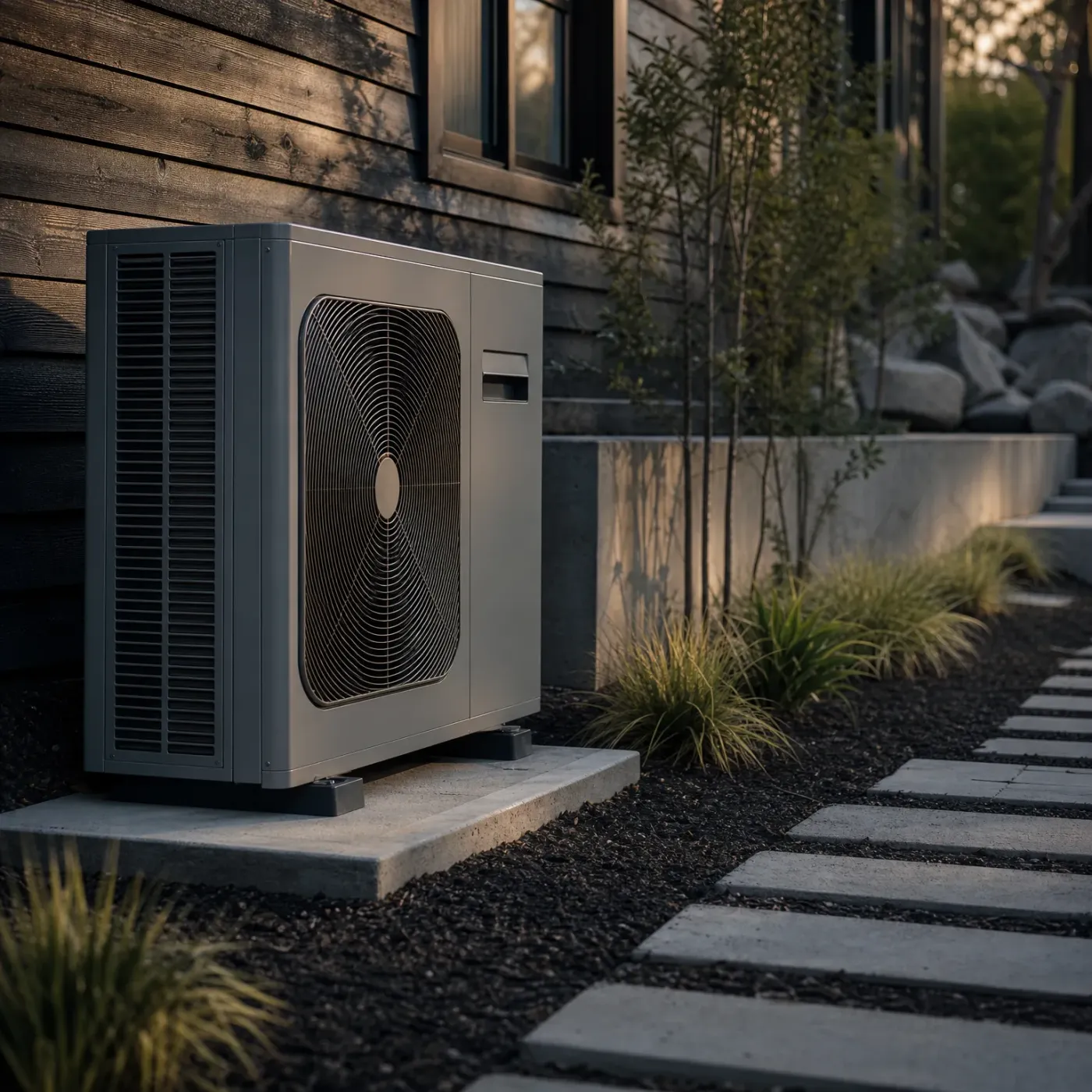
A gray outdoor heat pump unit with a circular fan grille sits on a concrete pad beside a dark wood-clad house, next to a gravel bed with ornamental grasses and a stepping-stone path.

A local pro for your heat pump installation

Can a heat pump keep up in a Tennessee winter

Tennessee winters put a heat pump to a real test on the coldest mornings, and you want to know if yours will hold the house at temperature or lean hard on backup heat. This page gets into what affects that, and where a local contractor who installs these year round can size the right system for your home.

Get matched

A heat pump keeps up in a Tennessee winter most of the time, because winters here rarely stay below freezing for long. The trouble spot is a cold snap, a stretch of mornings in the 20s or lower, when the outdoor air has less heat for the unit to pull in and the system has to run longer to hold the same indoor temperature. Below a certain outdoor temperature, the unit leans on backup electric heat strips to make up the difference, and that is normal, not a sign anything is broken. Since most homes here already heat with electricity, that backup heat runs on the same system already in place rather than something separate. What this means for you is less about whether the heat pump works and more about whether it was sized and installed to handle the coldest mornings your area actually sees, not just an average one.

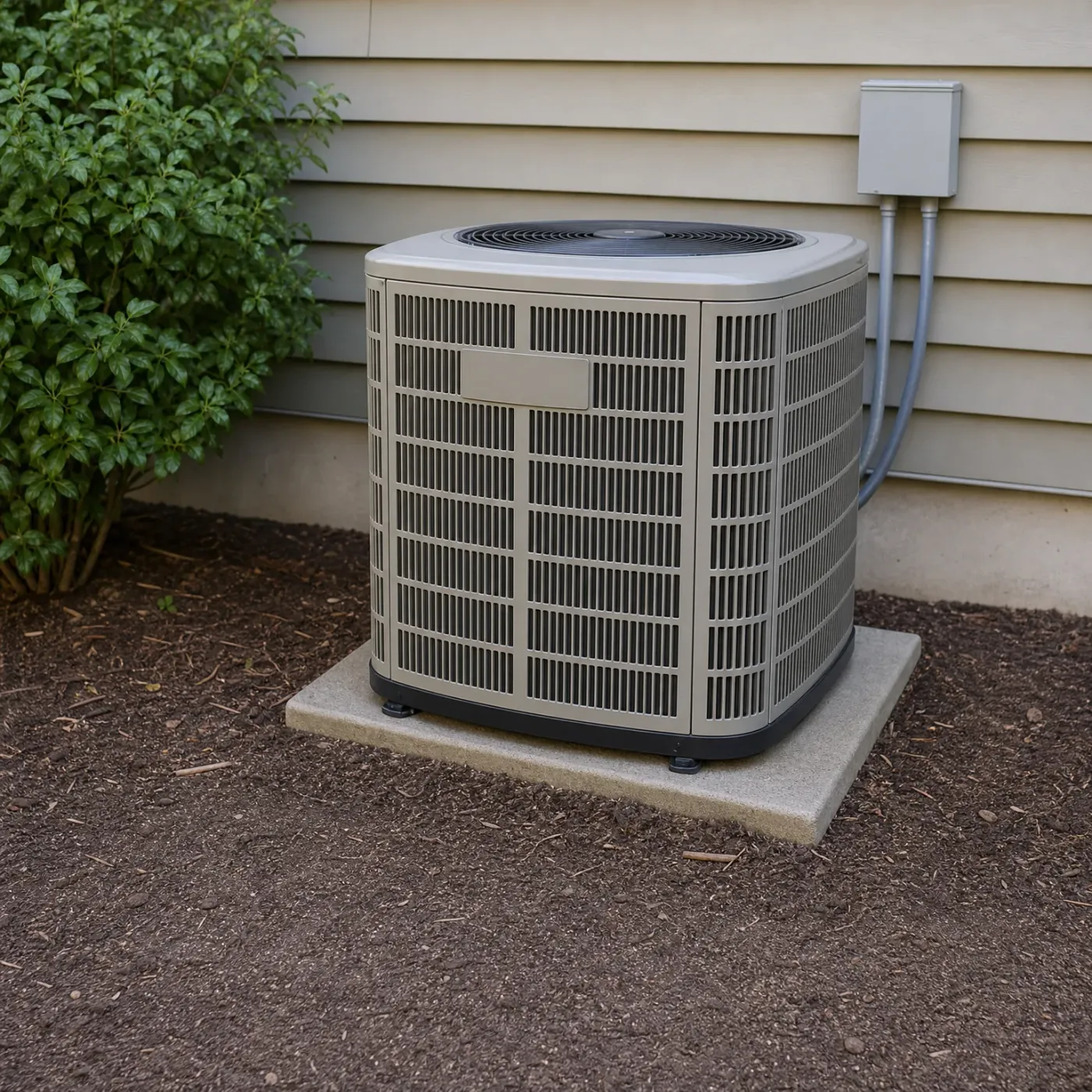
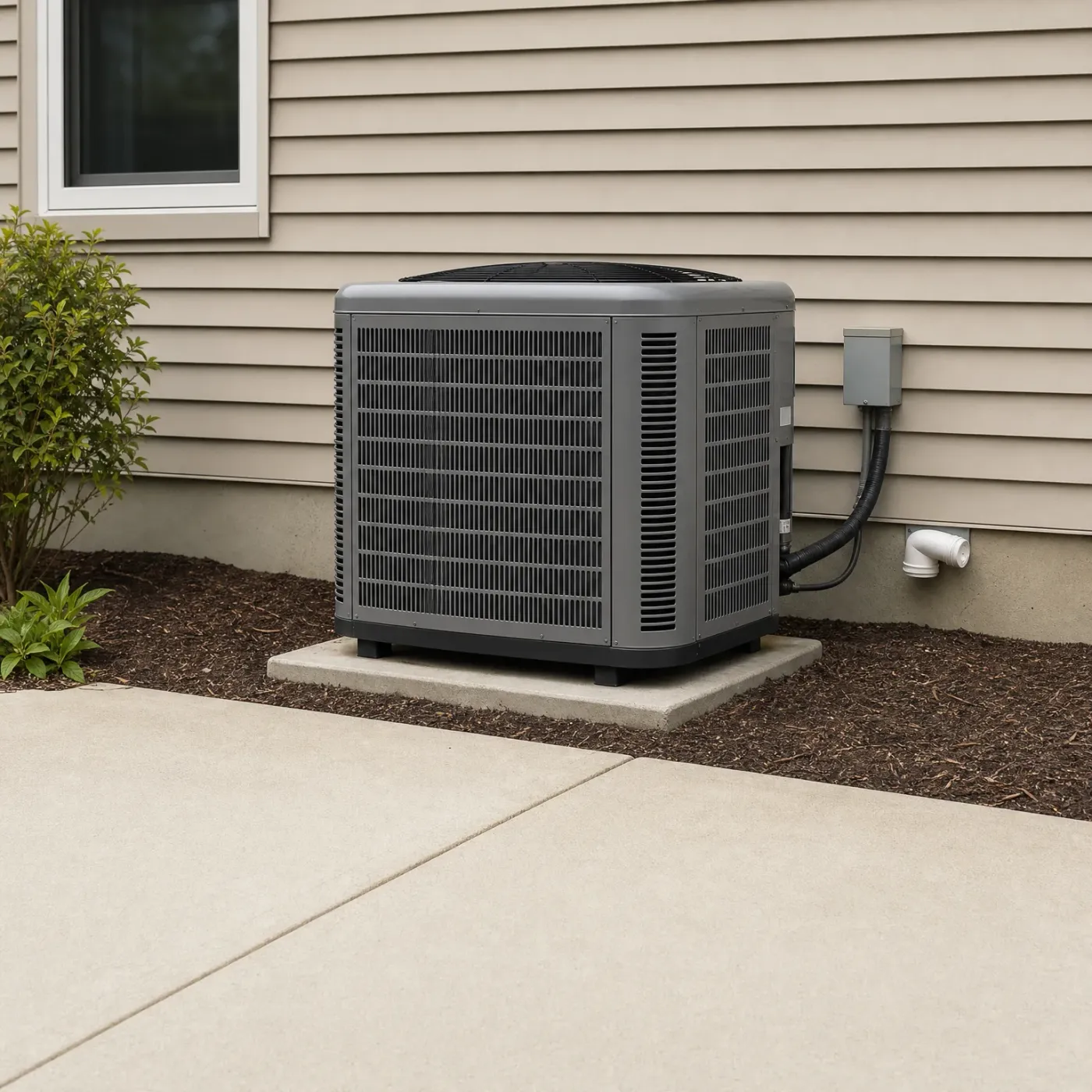
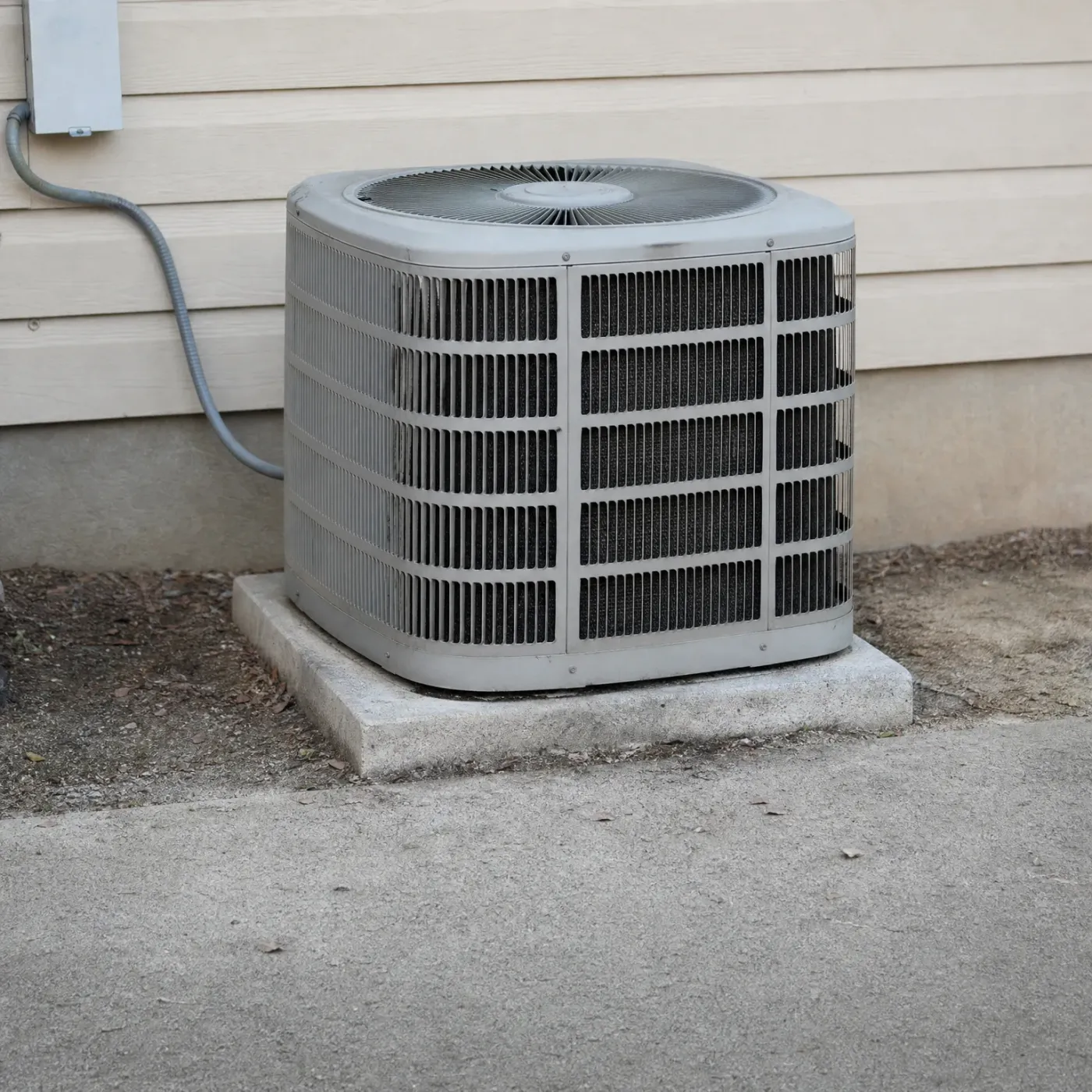
A gray outdoor condenser unit on a concrete pad beside a beige vinyl-sided house, with a wall-mounted disconnect box, flexible conduit, mulch bed, shrubs and a concrete walkway in front.

Running fine in the cold

A heat pump in good shape keeps pulling heat out of cold air without strain. The coils stay clean, the defrost cycle clears off frost on schedule, and the unit cycles on backup heat only when it needs to. On a 20 degree morning, it's still holding the house at temperature.
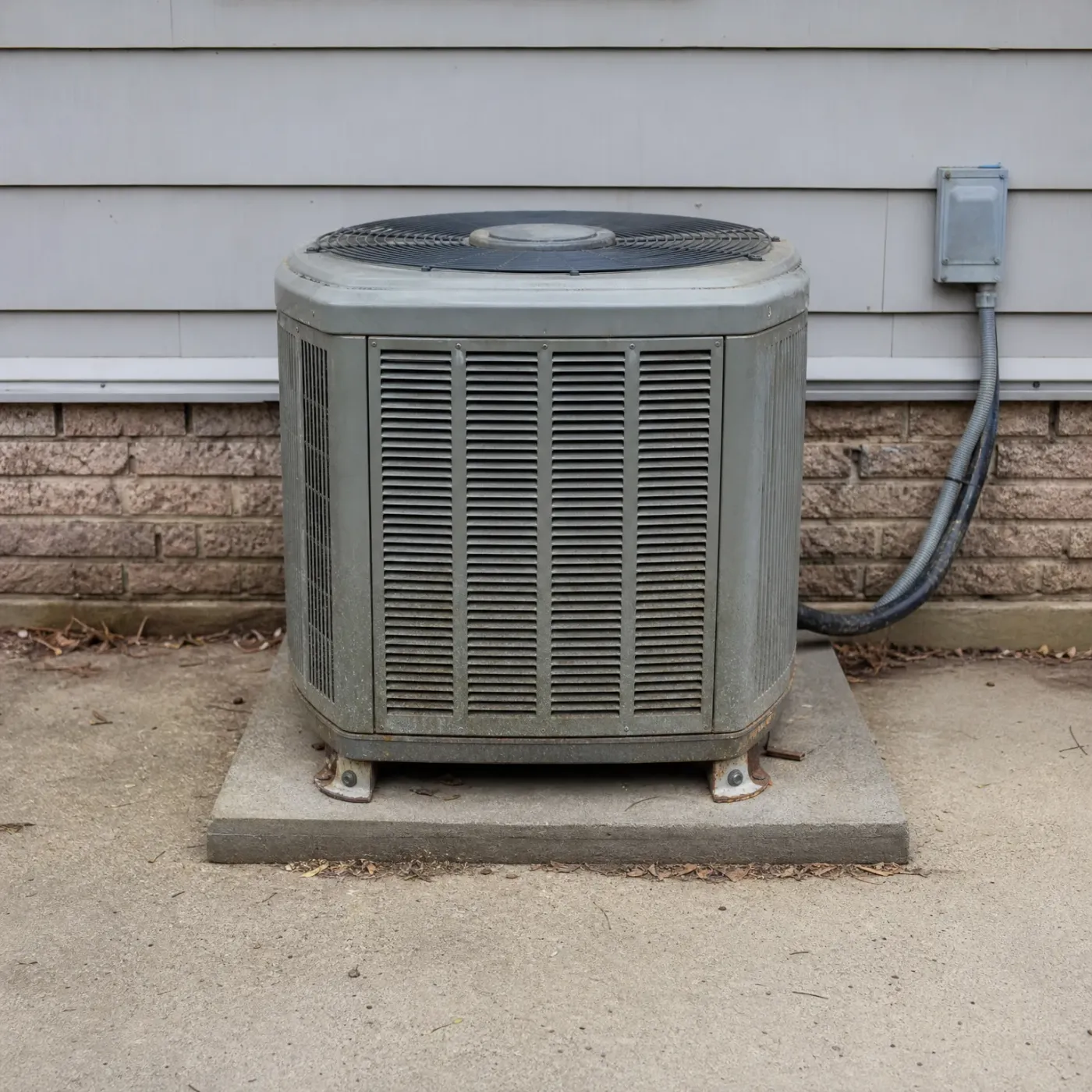

An outdoor air conditioning condenser unit on a concrete pad beside a house with horizontal siding above a brick foundation, with a flexible conduit running to a wall-mounted disconnect box.

Struggling to keep up

Dust built up on the coil blocks airflow, so the unit works harder for less heat. A worn part can keep the defrost cycle from clearing frost, and ice builds on the coil instead of melting off. The house falls behind on cold mornings and backup heat carries more of the load than it should.

A gray-haired bearded man in a dark coat and scarf dusted with snow stands smiling in a dimly lit entryway with a white front door, a side table with a lit lamp, an oval mirror, and a patterned rug.
An older bearded man in a dark snow-dusted coat and gray scarf stands just inside a dimly lit home entry, with a framed picture, lit table lamp, and an adjoining room with a fireplace behind him, and snow visible through the open door.
A gray-haired, bearded man in a dark snow-dusted coat stands smiling in a dimly lit entry hall with a staircase, a lit table lamp, a framed picture, and a living room visible through a doorway.
An older man with gray hair and a beard, wearing a dark jacket dusted with snow, stands smiling in a dimly lit hallway with lamps and a living room visible behind him.

Frost forms on the outdoor coil once the air drops below freezing, and the system has to stop and clear it. For a few minutes, the unit runs in reverse, pulling heat from inside the house to thaw the coil outside. That's why the air coming out of your vents can feel cool during a defrost cycle, even though nothing is wrong. Electric strip heat covers the gap, kicking in on its own to keep the house warm while the coil thaws. It does the same job anytime the outdoor air gets too cold for the heat pump to pull in enough warmth on its own. As the temperature keeps dropping, the compressor has less heat to work with in the air, so it runs longer to put out the same amount of heat it managed easily in milder weather. A unit sized for your coldest mornings, not just an average January day, handles that stretch with less help from backup heat than one sized to get by on paper.

What happens below freezing

  • Below freezing, frost builds on the outdoor coil, and the system runs a defrost cycle to clear it before it can block airflow.
  • During defrost the unit briefly reverses, pulling heat from inside the house for a few minutes while the outdoor coil thaws.
  • A thermostat or control board with electric strip heat kicks in automatically to cover the house during that defrost cycle.
  • Backup heat also takes over when the outdoor air gets cold enough that the heat pump alone can't pull in enough warmth.
  • The compressor's capacity drops as the outdoor temperature drops, so it has to run longer to move the same amount of heat.
  • A heat pump sized and installed for the coldest mornings here will lean on backup heat less often than one sized only for average days.
A woman wrapped in a thick beige fleece blanket sits on a sofa with an open book on her lap, beside a lit table lamp, with a frost-covered window behind her.
An older woman with gray hair in a bun and glasses, wearing a beige knit sweater, smiles while looking to the side in a warmly lit kitchen, with a loaf of bread on the counter in the foreground and a snowy scene outside the window.

32 degrees

Below this, most heat pumps lean harder on backup heat to hold the house at temperature. A local installer can size a system that handles your coldest mornings without running backup constantly.
Find a heat pump pro

One contractor, not five

You get matched with a licensed installer local to Tennessee, someone who sets up heat pumps for this climate and knows what a cold snap does to one.

Find a heat pump pro

Sized Right vs Falling Short

Right-sized system

  • A unit sized to your house and your coldest mornings pulls enough heat from the air without constant help from backup heat.
  • The compressor runs at a steady pace instead of maxing out every time the temperature drops into the 20s.
  • Defrost cycles clear the outdoor coil on schedule, so airflow stays where it should and the house holds its temperature.
  • Backup heat kicks in only during the hardest cold snaps, not as a daily crutch, which keeps your electric bill closer to what you'd expect.
  • A contractor who installs heat pumps in your area every winter knows how to size one for Tennessee's cold mornings, not just its mild ones.

Undersized or aging system

  • A unit sized for an easier climate, or one that's lost capacity with age, leans on backup heat well before the thermometer hits freezing.
  • The compressor strains to keep up on the coldest mornings, cycling longer and more often without closing the gap.
  • Backup heat picks up the slack for hours at a time instead of minutes, and since most homes here heat with electricity, that shows up on the bill.
  • Frost can build faster than the defrost cycle clears it, which blocks airflow and leaves rooms farther from the thermostat noticeably cooler.
  • The house drifts a few degrees below the set point on the hardest mornings and takes longer to recover once the sun comes up.
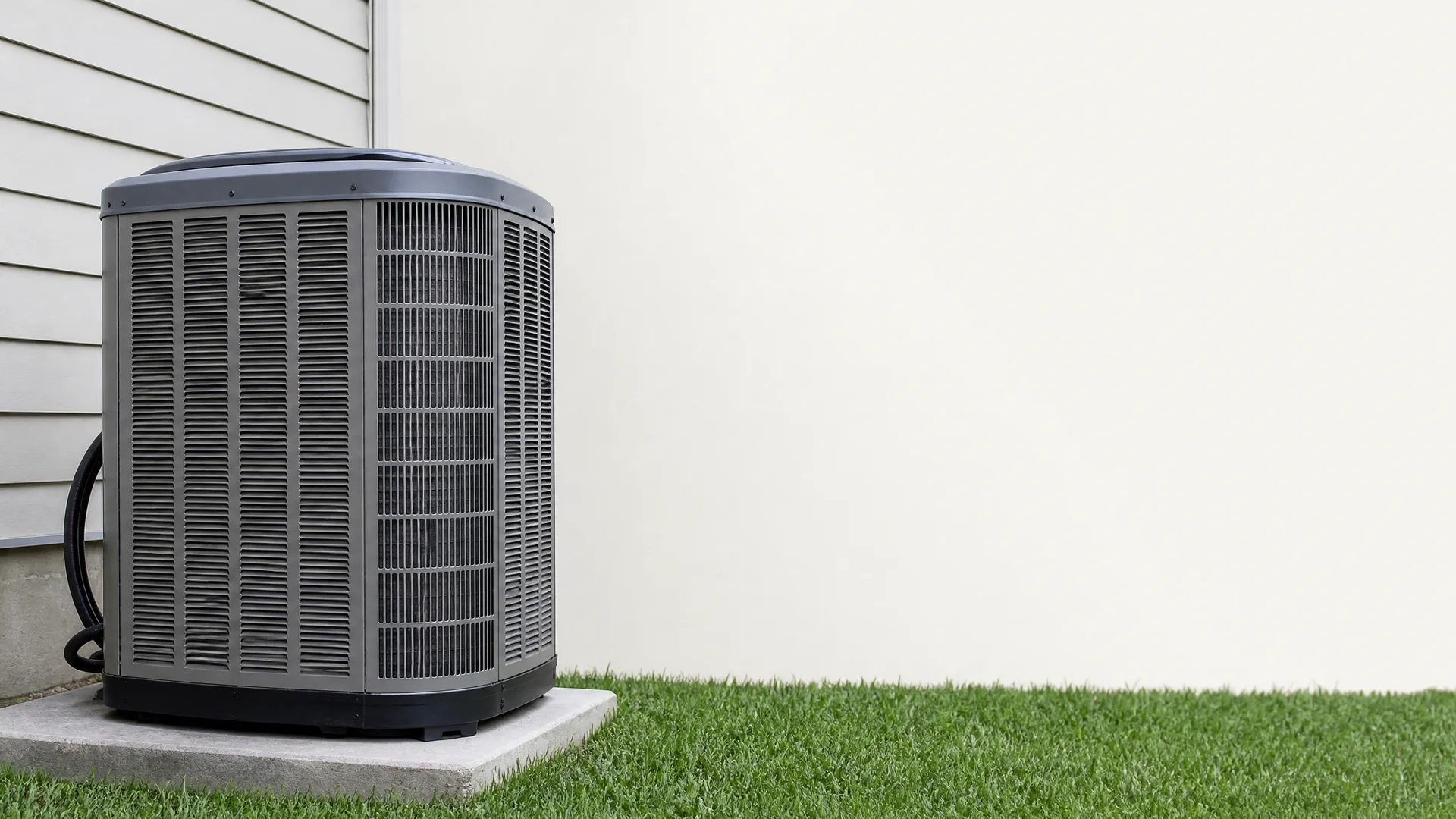
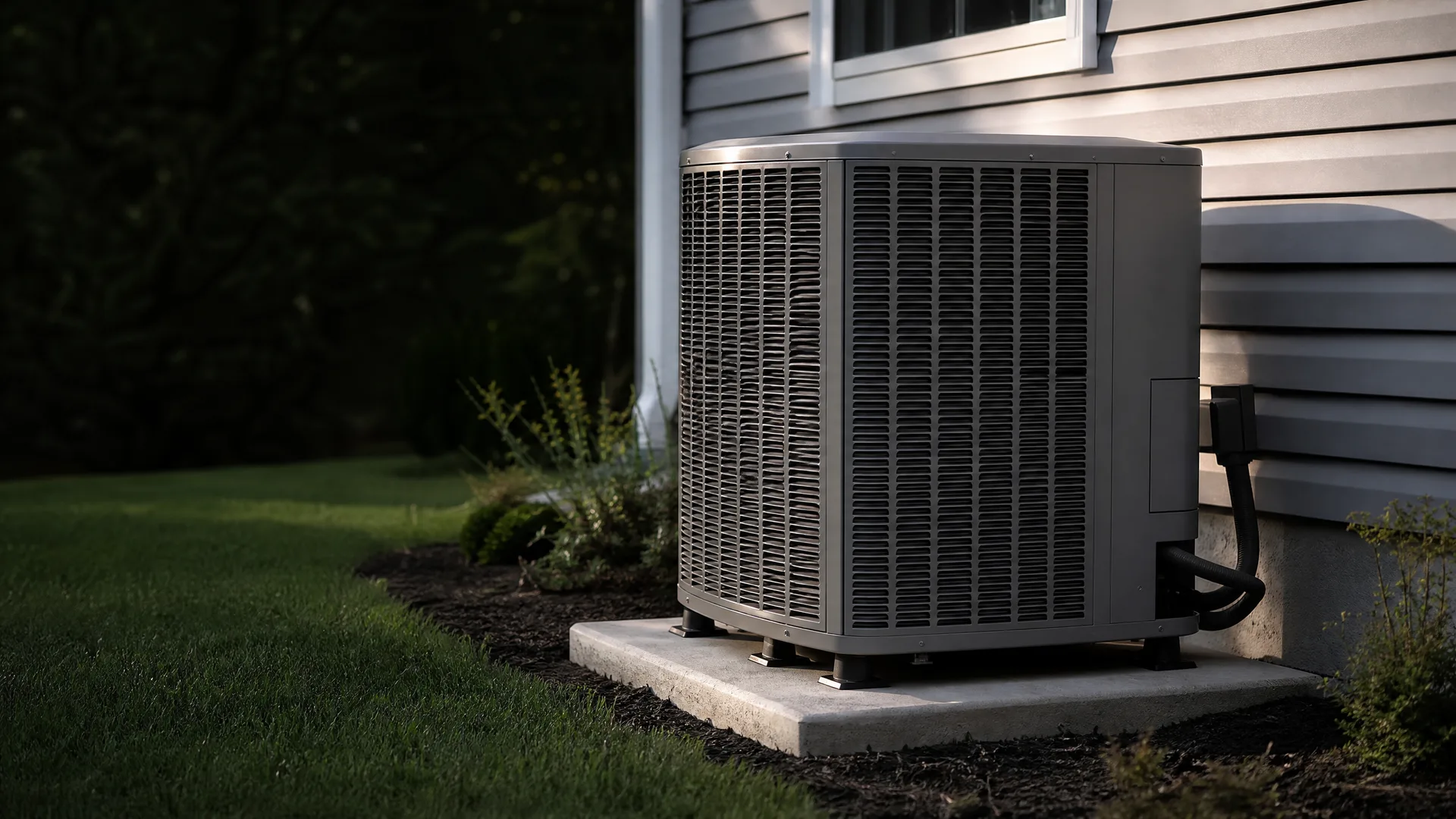
A gray outdoor air conditioning condenser unit on a concrete pad beside a house with horizontal siding, next to a green lawn and a plain light-colored wall.

What you'll notice on a cold morning

When the backup heat kicks on, you'll feel it. The air coming out of the vents runs warmer and the furnace or heat strips draw more power to make up the difference. You might hear the system cycle longer than usual, or notice the thermostat holding a degree or two below setpoint until the sun comes up and the outdoor air warms. None of that means something is broken. It means the heat pump handed part of the load to backup heat because the air outside didn't have enough warmth left to pull.

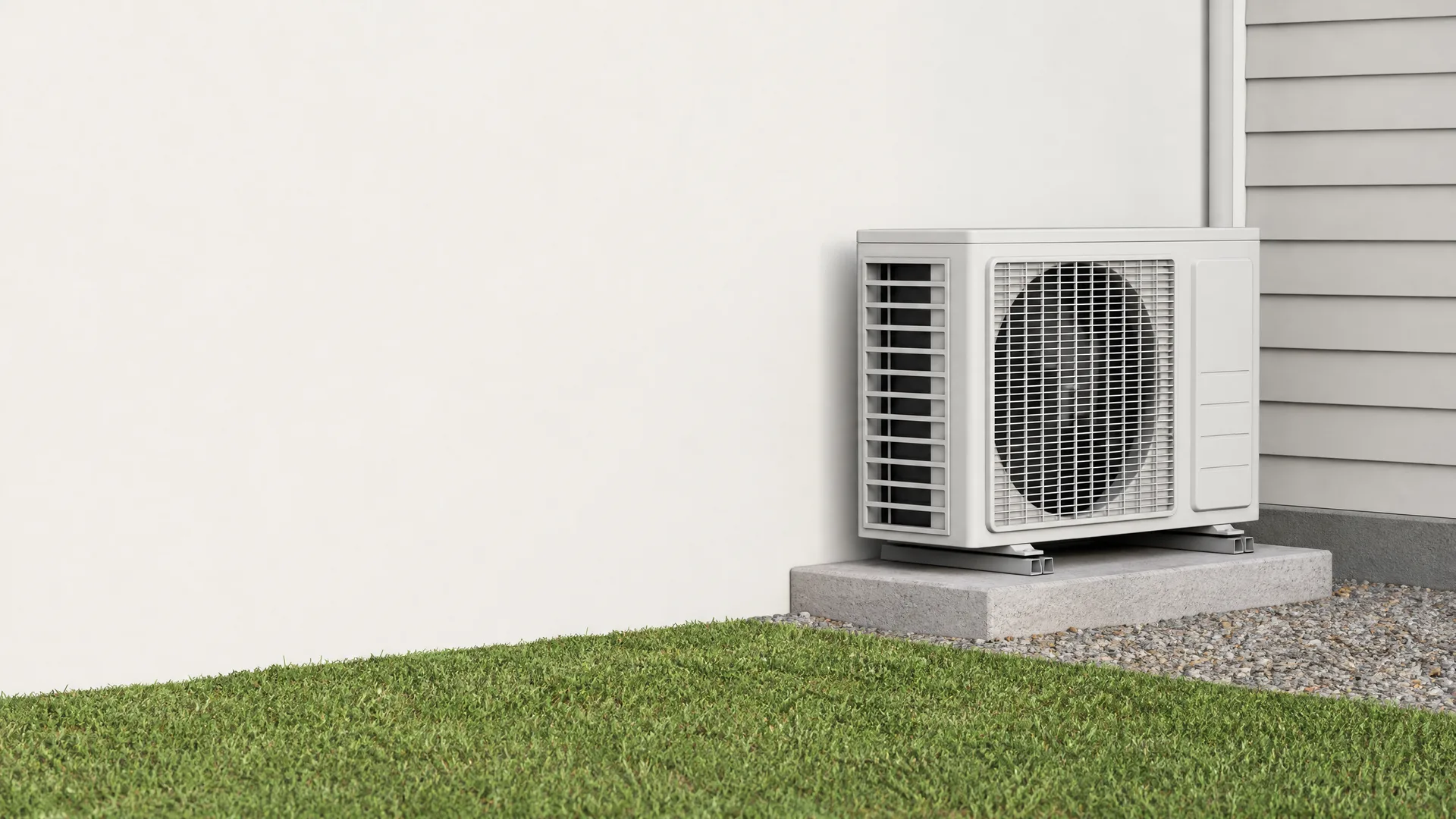
A white outdoor heat pump unit on a concrete pad beside a plain light wall, with gravel and mowed grass in front.

What it means for your bill

Backup heat costs more to run than the heat pump alone, because it makes heat directly instead of moving it from the air. A few cold mornings a year won't change much. But if your system leans on backup heat every time the temperature drops into the 20s, that adds up over a winter. A system sized for your house and your coldest mornings uses backup heat the way it's meant to be used, as backup, not as the main source of heat on half the cold days.

Power costs 13.22 cents per kilowatt-hour statewide

At 13.22 cents a kilowatt-hour, backup heat costs real money every time it kicks on during a cold snap. A heat pump sized right for your house leans on that backup less, so a Tennessee winter doesn't run up your power bill.

EIA-861 2025 statewide residential average

A gray outdoor air conditioning condenser unit on a concrete pad beside a house with light vinyl siding, with a gray electrical disconnect box and conduit on the wall to the right.
Before you get your heat pump installation
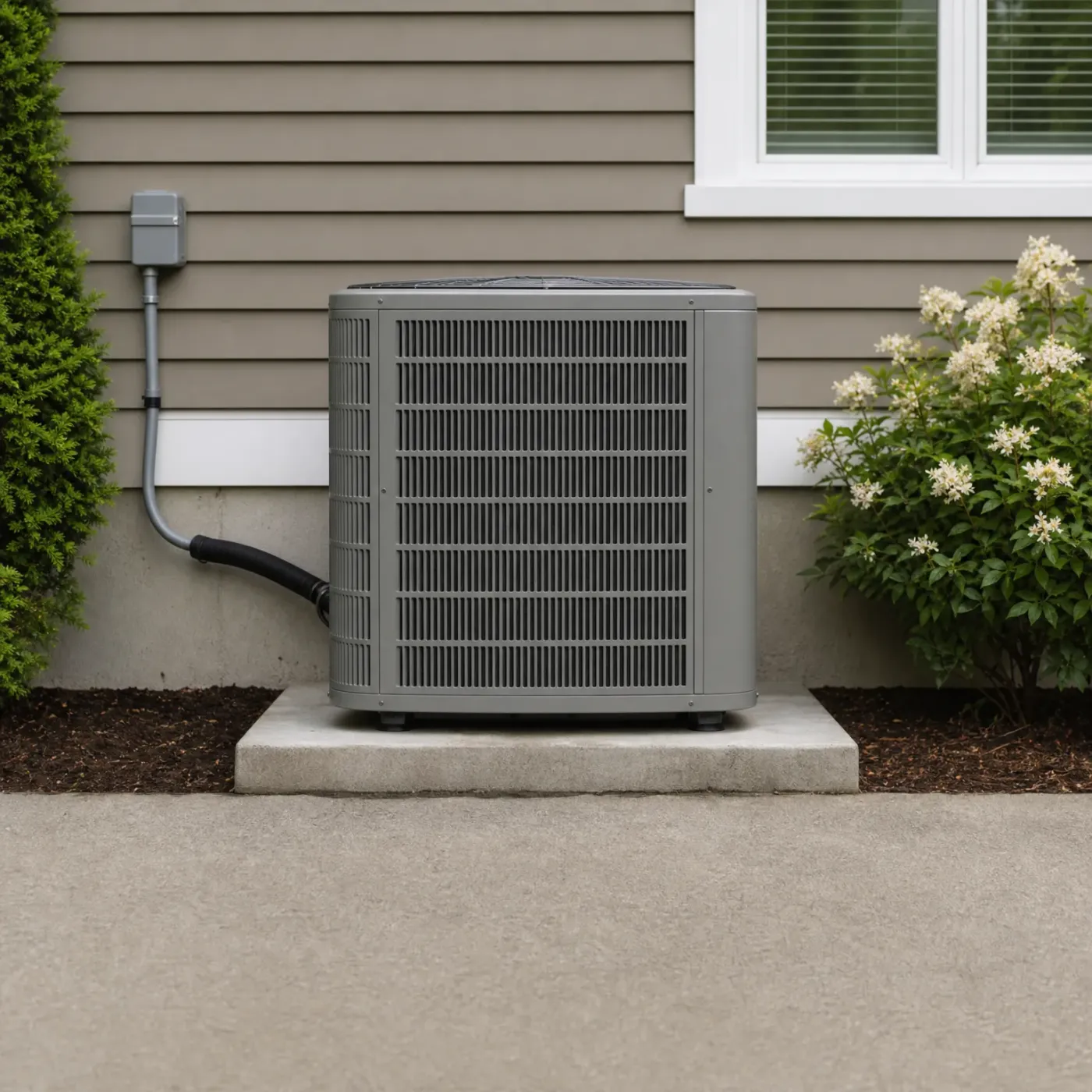
A gray outdoor condenser unit on a concrete pad beside a house with horizontal lap siding, a conduit and disconnect box on the wall, a shrub with white flowers at right and evergreen foliage at left.
After you get your heat pump installation
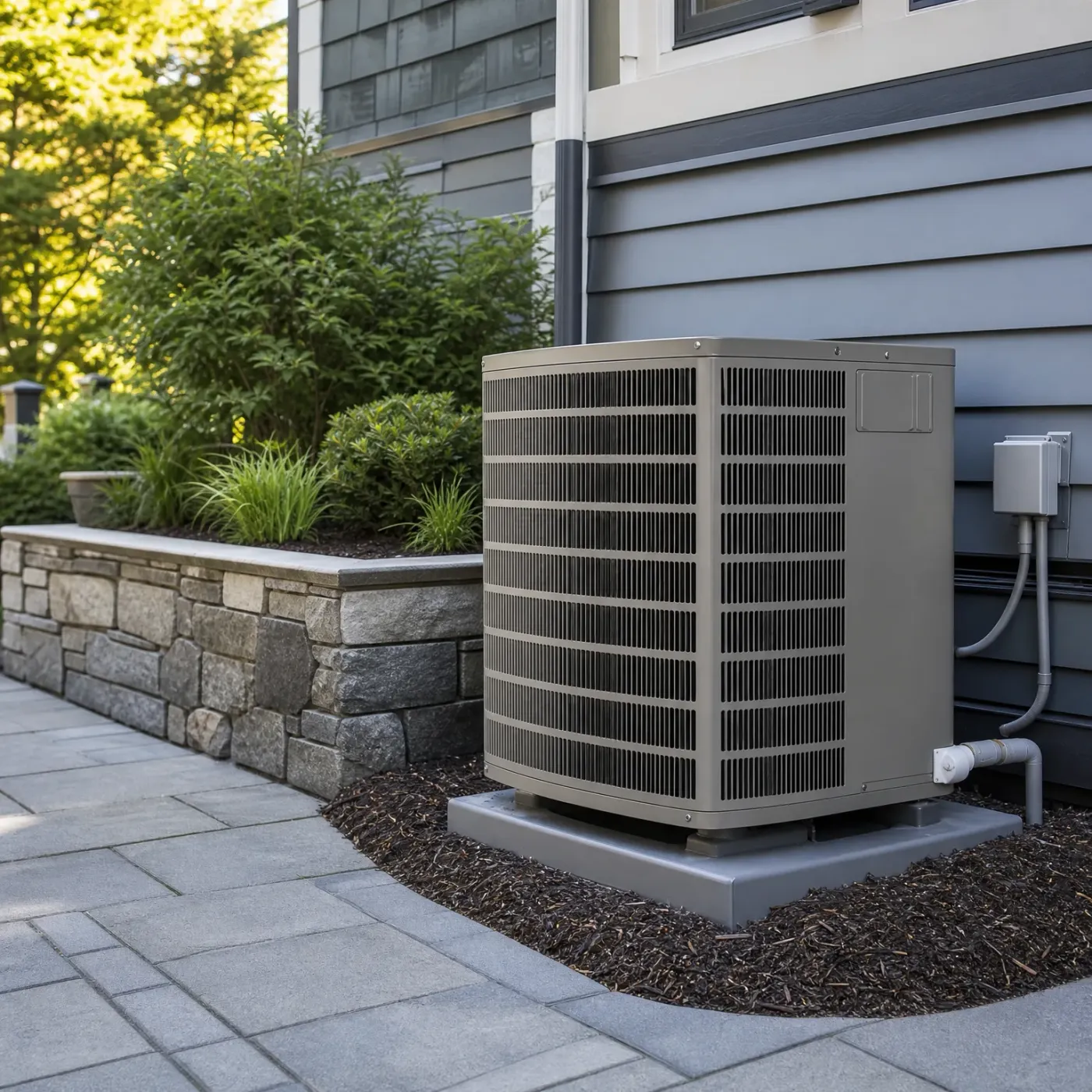
A beige outdoor condenser unit on a gray pad beside a house with gray horizontal siding, with refrigerant lines and an electrical disconnect box on the wall, bordered by dark mulch, a stone retaining wall with shrubs, and a paver walkway.

A pro who works on heat pumps

Only one pro gets your request, so you hear from one company.

A local installer who puts in heat pumps gets your project.

Get a local pro

You only hire the pro if you want to.

Why does one room stay cold all winter

A heat pump struggling with sizing or age usually shows it in one spot before anywhere else. A back bedroom that never quite warms up. Vents that blow air but not warm air on the coldest mornings. The unit running almost nonstop without ever shutting off, or the outdoor coil caked in frost for longer than a normal defrost cycle. You might also notice the power bill climbing past what past winters cost you, since backup heat is pulling more of the load than it should. Left alone, a unit that leans on backup heat all winter wears down faster and costs more every month it runs that way.

A beige outdoor air conditioning condenser unit on a concrete pad beside a house with horizontal vinyl siding, with refrigerant lines and a disconnect box on the wall, surrounded by dark mulch and a green shrub at left.

Working the way it should

The conduit runs clean from the disconnect to the unit, and the pad sits level under it. A heat pump like this pulls heat out of cold air, runs its defrost cycle on schedule, and only calls on backup heat when the morning is genuinely cold.

An outdoor air conditioner condenser unit on a concrete pad beside a house with beige horizontal siding, with conduit running from an electrical box on the wall.

Leaning on backup more than it should

Nothing here looks wrong from the outside, and that's the problem. A unit that's undersized or aging can run constantly on cold mornings without ever tripping a warning sign, just a higher power bill and a house that never quite catches up.

What is a defrost cycle and why does my heat pump do that in winter?

You've seen the outdoor unit sit still for a few minutes, then what looks like steam rising off it before it kicks back on. It can look like something's wrong, especially if you catch it happening more than once on the coldest mornings. You want to know if that's normal or if it's a sign your heat pump is struggling to keep the house warm.

It's the unit clearing frost off its own coil, and it's normal

Cold air holds less moisture, but there's still enough that frost builds up on the outdoor coil whenever the temperature sits near or below freezing. That frost blocks airflow, and a blocked coil can't pull heat out of the air efficiently. So the system runs a defrost cycle: it reverses itself for a few minutes, sending warm refrigerant to the outdoor coil to melt the frost off, which is why you'll see steam or see the fan stop. Once the coil's clear, it switches back to heating the house. On a Tennessee winter morning in the 20s or 30s, this might happen a few times. It's the system maintaining itself, not a sign something's failing.

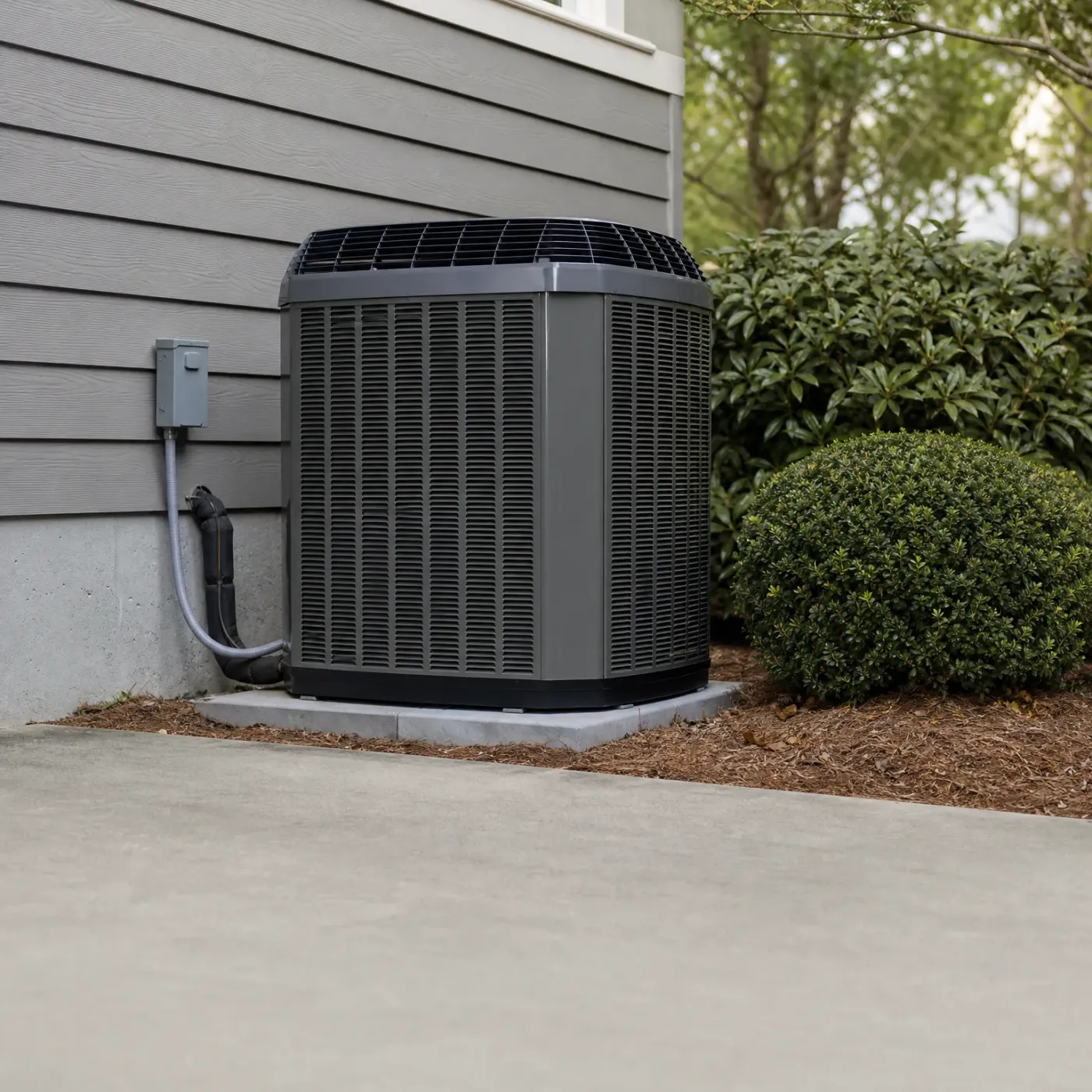
An outdoor condenser unit on a concrete pad beside a gray lap-sided house, with an electrical disconnect box and conduit on the wall and shrubs with mulch to the right.
A unit like this pulls heat out of cold air all morning without leaning on backup heat.
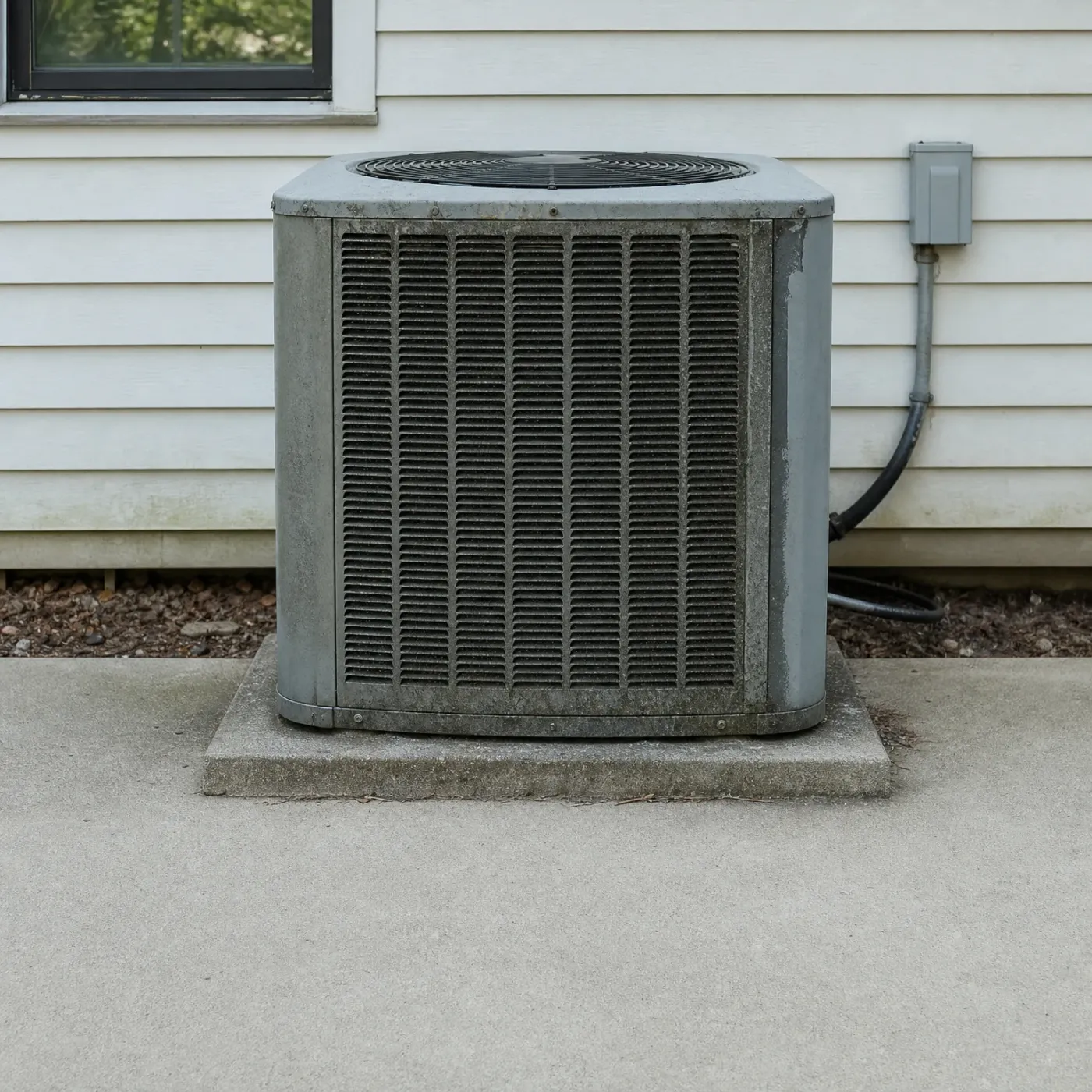
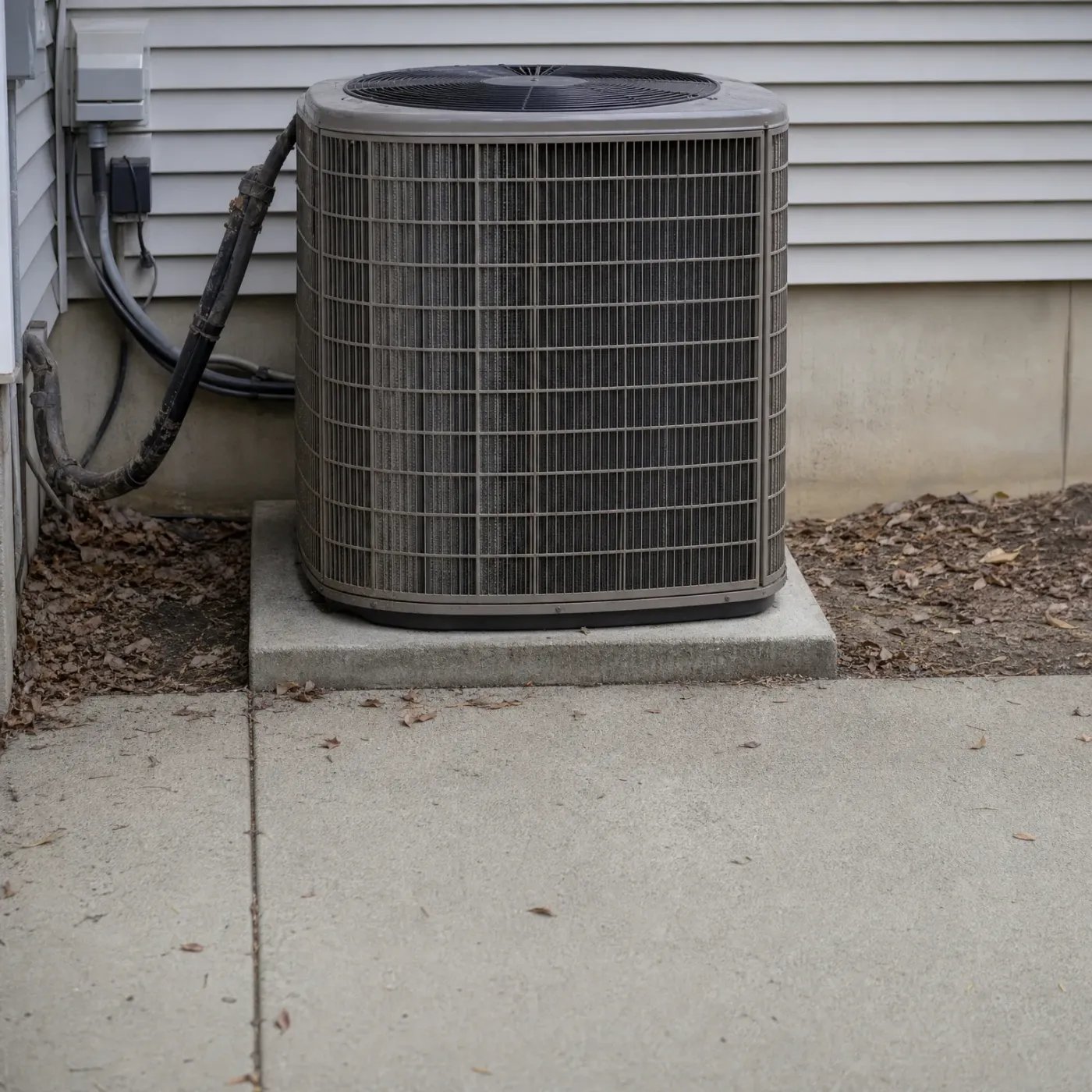
An outdoor air conditioner condenser unit on a concrete pad beside a house with horizontal vinyl siding, with refrigerant lines and an electrical disconnect box on the wall and dry leaves on the ground.
Dirty coil fins and leaves piled at the base choke airflow and push the system to work harder for less heat.
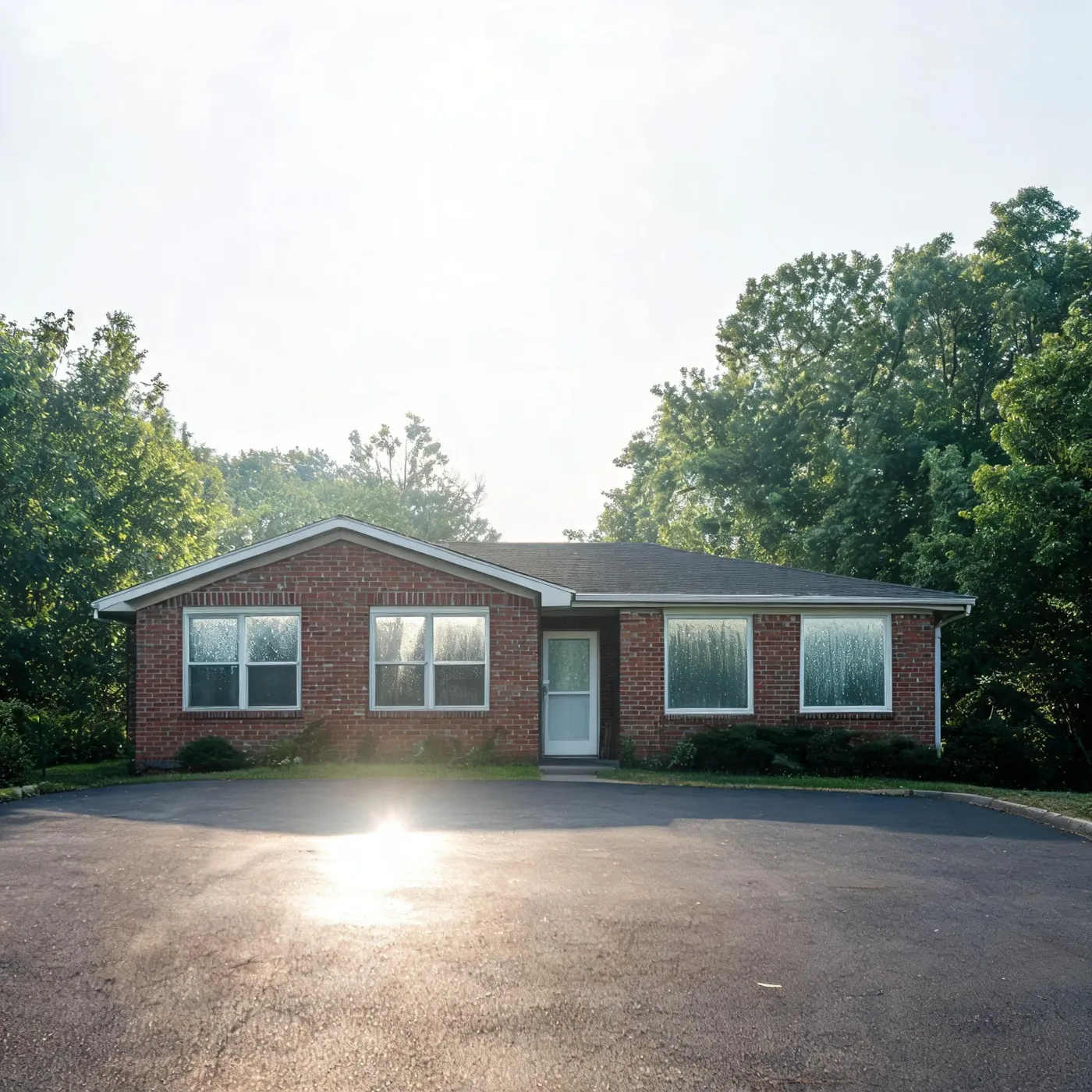
A single-story red brick ranch house with white-framed windows and a white storm door, fronted by a large asphalt parking area and backed by leafy green trees under a bright hazy sky.

Summer humidity here isn't just sticky air. Weather data for Tennessee puts the summer dew point at 66°F across June, July and August, and that same heat pump runs double duty pulling moisture out of the house all summer. Come winter, it's the same compressor and coils doing the opposite job, pulling what little heat there is out of cold air. A unit that's been working hard all summer wears the same way regardless of season, so the condition it's in going into a cold snap often traces back to how it handled that summer humidity. A contractor who services it year round sees both sides of that.

NASA POWER T2MDEW county cells weighted by homes

A man seen from behind raises his hand to wave at a woman standing in the open front doorway of a single-story house with gray shingle siding, white columns and a gabled porch entry.

A heat pump sized for your house will keep up

A heat pump holds a Tennessee house at temperature through the winter when it is sized to your coldest mornings, not just an average day. The coils stay clean, defrost runs on schedule, and backup heat only steps in when the air outside is genuinely short on warmth to pull from. When a unit falls short, it usually shows up as one cold room, a longer run time, or backup heat that seems to run more mornings than it should.

If any of that sounds like your house, a local contractor who installs and services heat pumps in this climate can look at your system and tell you whether it is sized right and running the way it should. You will be matched with one contractor who works in your area, not a handful of companies competing for your call, and they will reach out to go over what they find.

A living room corner with a light beige sofa holding a textured taupe cushion, a large ceramic vase of olive branches by a window, a framed neutral artwork on the wall, and a dark bowl with stacked books in the foreground.
A gray outdoor condenser unit on a concrete pad beside a house with horizontal lap siding, bordered by mulch, shrubs and a mowed lawn.

Get your heat pump to the right pro

Step 1 of 3: Equipment