Tell us about the job
Takes about a minute. No obligation.
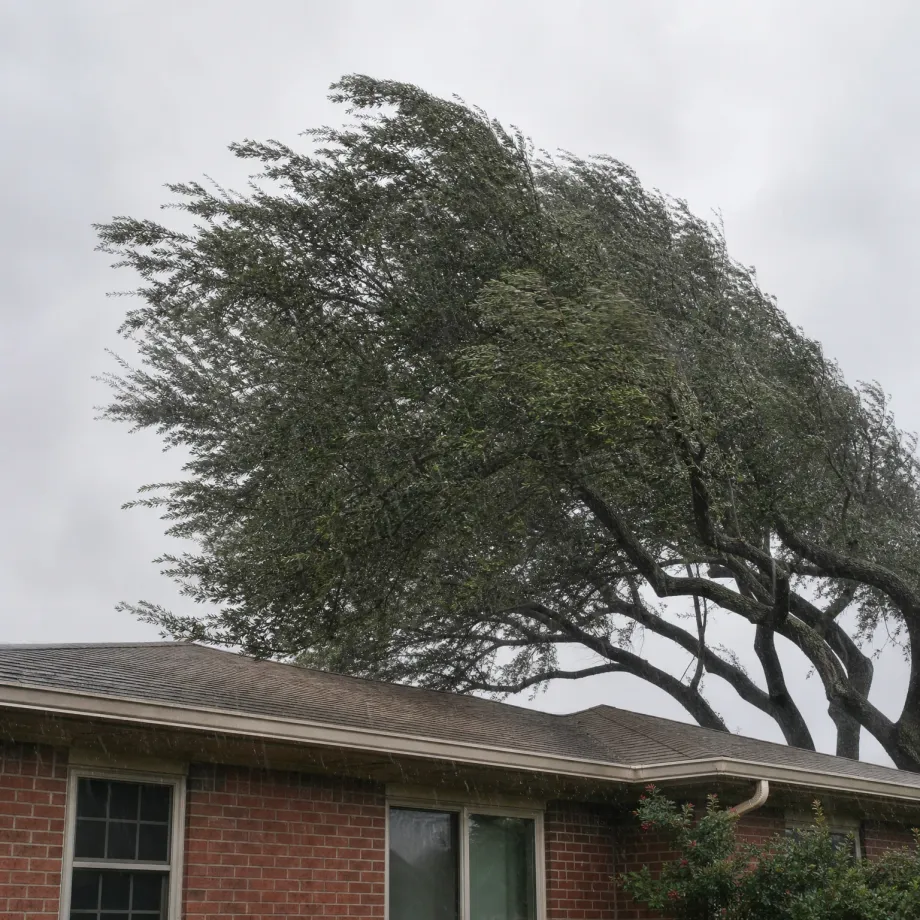
A heat pump running through Warren County's seasons accumulates wear the same way any heavily cycled system does: gradually, in the parts that move and compress and reverse. 81 severe weather events were recorded in Warren County, Tennessee between 2015 and 2024. At roughly that rate, severe weather is a recurring feature of this area, not a once-in-a-while event, and every system here has been operating against it. Even so, a contractor pulling apart a failed heat pump in this county finds that compressor fatigue, refrigerant loss, and contactor burn-out trace back to cumulative load and deferred maintenance far more reliably than to any particular storm season. The weather record sets the context. It rarely explains the specific failure.
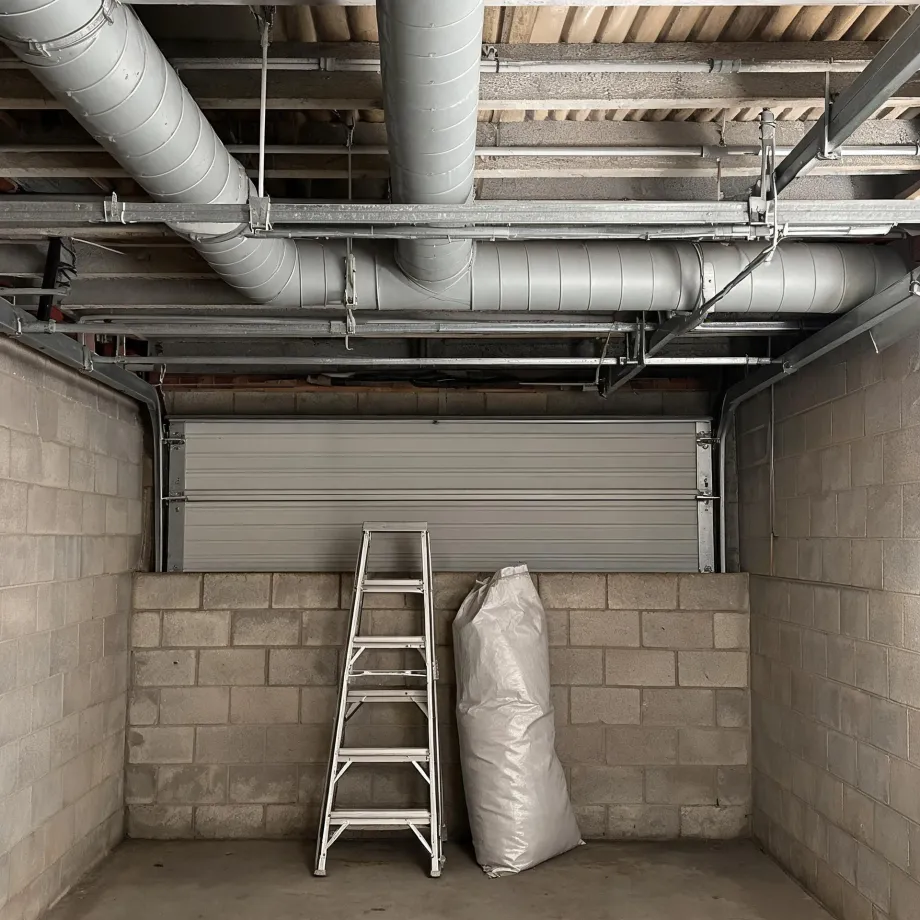
Ductwork in a house that has housed several generations of equipment carries the record of every adaptation made along the way: mismatched connections, field repairs, sections replaced piecemeal. Half the homes in Warren County, Tennessee were built in 1979 or earlier (2020-2024 ACS 5-year). A contractor opening a heat pump in Warren County is working inside that accumulated history, which means the refrigerant circuit or the reversing valve they find may sit alongside components from a completely different service era. The parts a system requires are the question that settles the scope, and that answer comes from what is actually inside the cabinet.
The Parts of a Heat Pump a Contractor Checks First
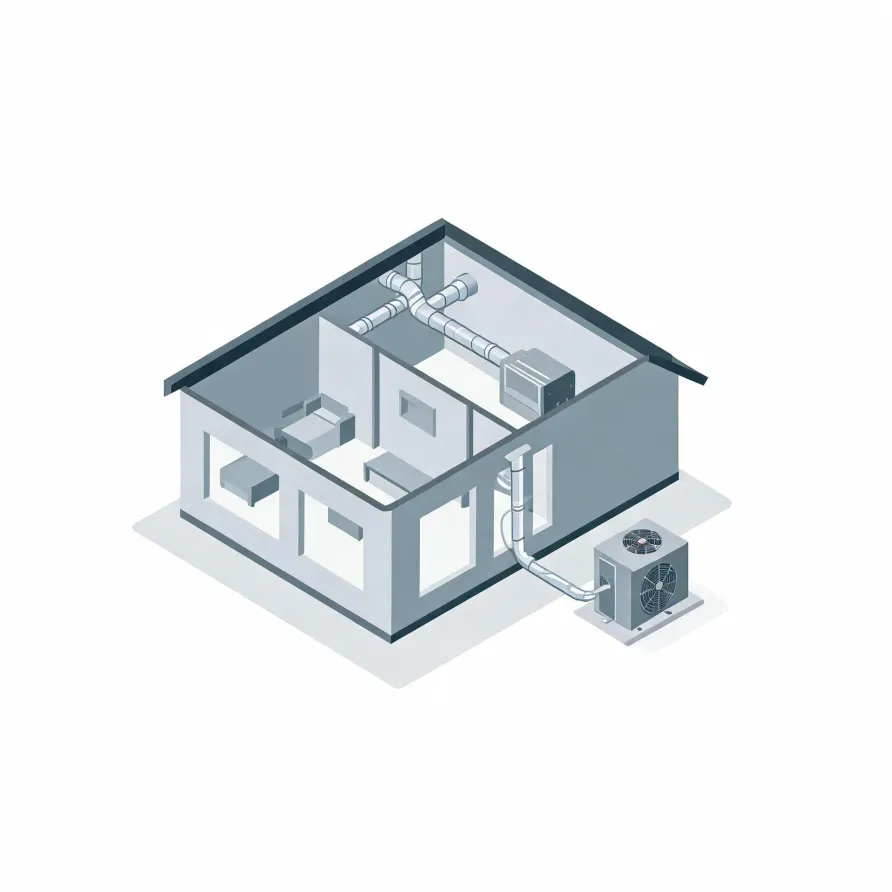
The outdoor unit sits on a concrete pad beside the house and holds the compressor, which is the part contractors go to first when a heat pump stops moving heat properly. The coil wrapped around the inside of that cabinet and the fan above it work together with the compressor, so a fault in any one of them shows up as a fault in all three.
Inside the house, the air handler hangs in a closet, attic, or utility room and pushes conditioned air into the living space. The reversing valve inside it is what lets a heat pump run in both directions, and when it sticks or fails the system either blows the wrong temperature or locks into one mode entirely. The expansion valve and refrigerant lines connecting the two units are also points a contractor checks when the symptoms point to a pressure or flow problem.
The drawing shows a typical layout, and a licensed contractor determines which components and connections apply to your specific system.
Find a contractor in Warren CountyWarren County, by the numbers
81 severe weather events were recorded in Warren County, Tennessee between 2015 and 2024.
NOAA National Centers for Environmental Information, Storm Events Database, bulk CSV export, events 2015-01-01 through 2024-12-31.Half the homes in Warren County, Tennessee were built in 1979 or earlier (2020-2024 ACS 5-year).
U.S. Census Bureau, 2020-2024 American Community Survey 5-Year EstimatesWarren County, Tennessee holds 18,537 housing units (2020-2024 ACS 5-year).
U.S. Census Bureau, 2020-2024 American Community Survey 5-Year EstimatesOwners occupy 72.4% of the occupied homes in Warren County, Tennessee (2020-2024 ACS 5-year).
U.S. Census Bureau, 2020-2024 American Community Survey 5-Year EstimatesRules & Standards Behind Heat Pump Repair in Warren County, Tennessee1 sourced rules and standards
Licensing and Legal Requirements in Warren County, Tennessee
Tennessee licenses contractors by classification, and HVAC, refrigeration and gas piping is one of them — a sub-classification of mechanical contracting on the licence the Board for Licensing Contractors issues.
Severe Weather Events in Warren County
Weather places real demands on heat pump equipment, and those demands vary by location. Understanding what Warren County sees over time is part of knowing why local repair needs look the way they do.
81 severe weather events, 2015–2024. Source: NOAA National Centers for Environmental Information, Storm Events Database.