






Profile view of a bearded man wearing a dark green baseball cap and a dark gray T-shirt against a plain light background.

How cold is too cold for a heat pump in Tennessee

Step 1 of 3: Equipment

How cold is too cold for a heat pump in Tennessee?

Winters in Tennessee can swing from mild to genuinely cold, and you've probably noticed your heat pump working harder, or blowing air that feels cooler than you'd like, once the temperature really drops. You're wondering if there's a point where it just stops being able to keep up, and whether that means something is wrong with it or if that's just how these systems work.

Most heat pumps lose much of their heating power somewhere below 25 to 30 degrees

A heat pump works by pulling heat out of the outside air, and the colder that air gets, the less heat there is to pull. Somewhere in the mid-20s, most heat pumps can no longer keep up with a Tennessee home on their own, and a backup heat source kicks in to make up the difference. That's not a malfunction. It's built into how the system is designed to run. Tennessee doesn't see long stretches that cold most winters, but when a cold snap does hit, you may notice the air coming from the vents feels less warm, or the system runs longer than usual. Both are normal for how a heat pump handles real cold.

A woman with long light-brown hair in a gray knit sweater sits in a living room looking off to the side, with a sectional sofa, houseplant, lamp, wooden table and large windows behind her.
A woman in a chunky gray turtleneck sweater sits indoors looking off to the side, with a blurred dining table, chairs, pendant lamp and window behind her.
A woman in a cream knit sweater with her hair in a bun stands near a window, looking off to the side, with a gray sofa, houseplant and open kitchen with pendant lights blurred behind her.
A woman with long brown hair in a cream knit sweater stands near a window, looking to the side, with a white sofa, shelving, and a hallway visible behind her.
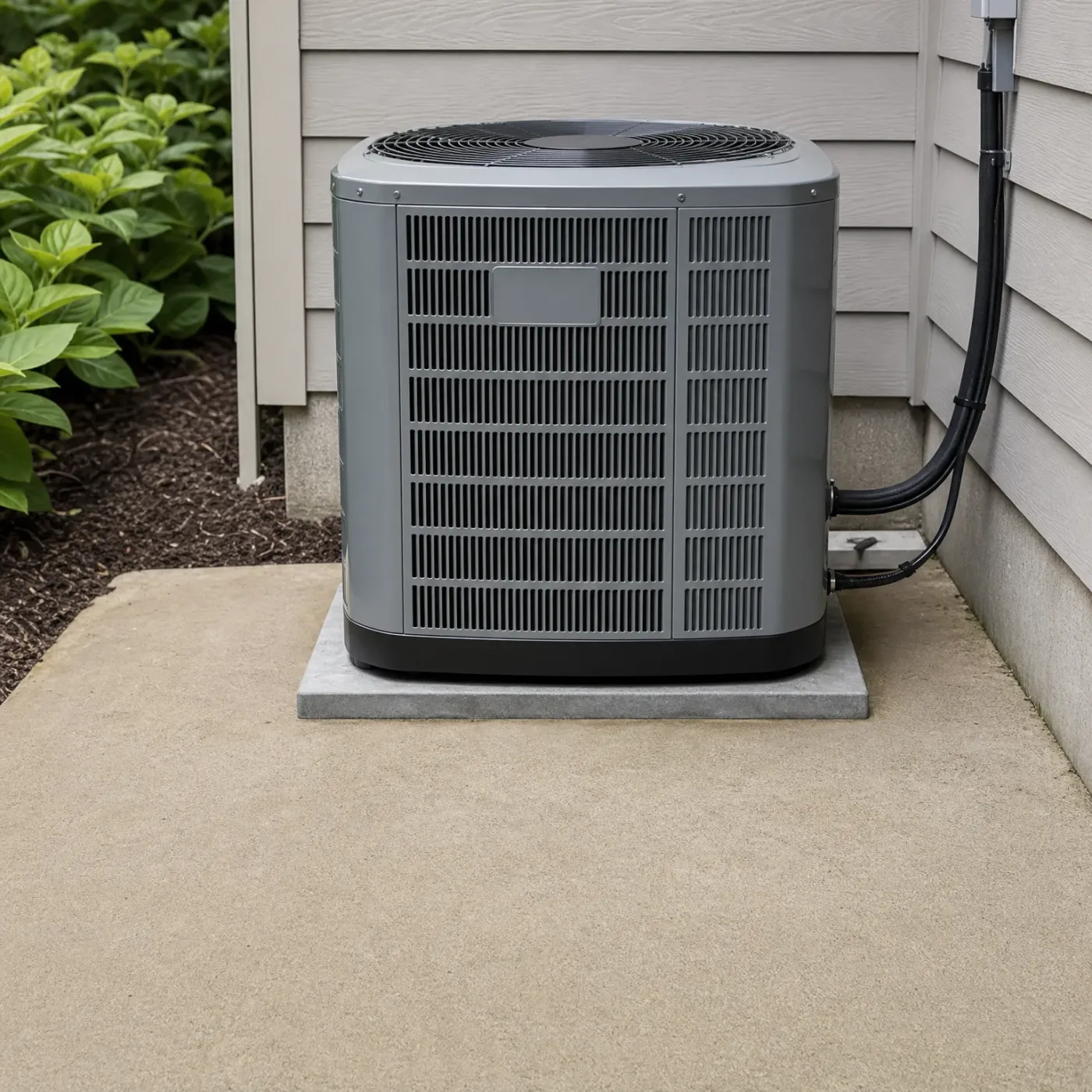
A gray outdoor air conditioner or heat pump unit on a concrete pad beside a house with horizontal lap siding, with conduit and refrigerant lines running up the wall and green shrubs and mulch at left.
Above freezing, the unit runs clean and the grille stays clear, pulling enough heat from the air to keep the house warm on its own.
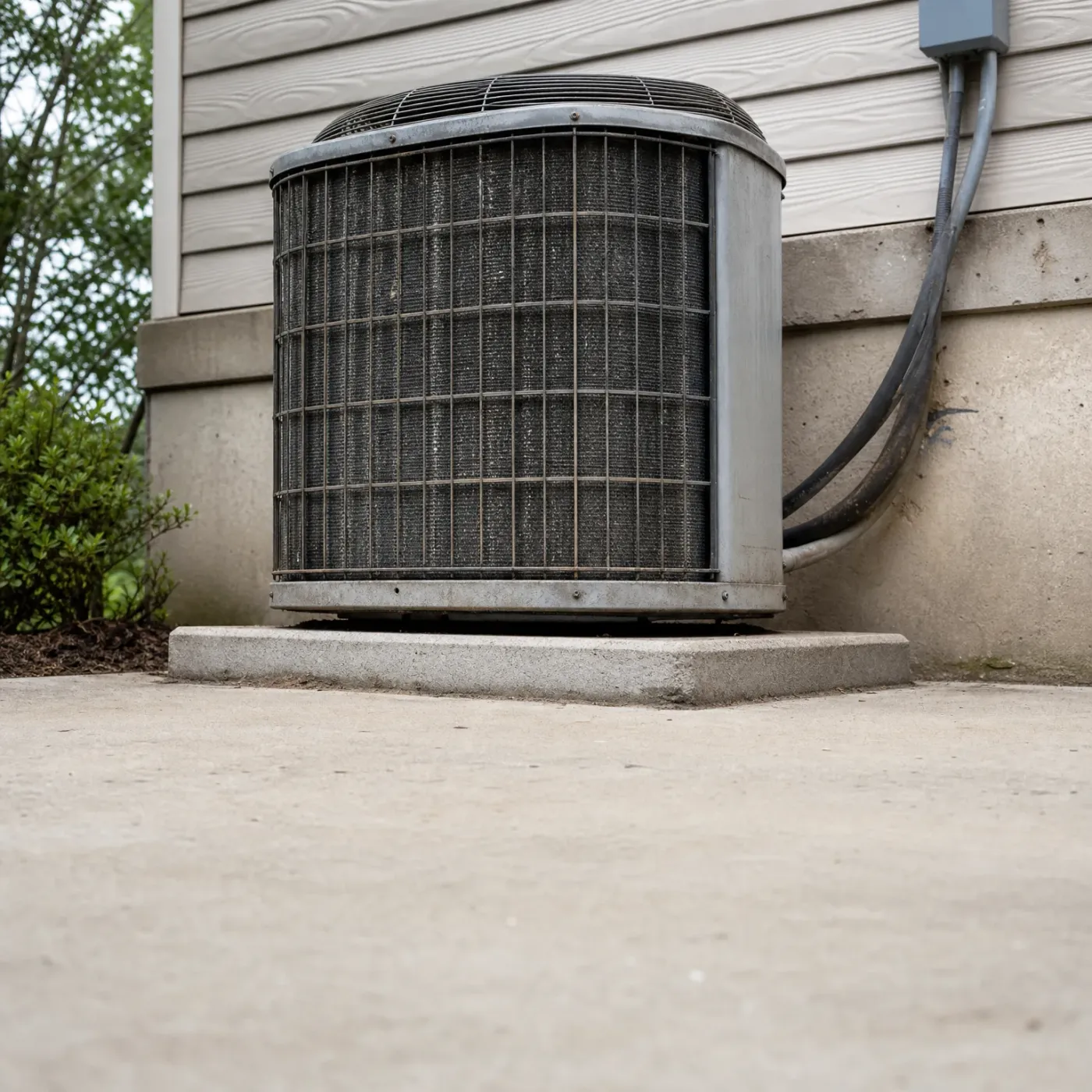
An outdoor air conditioning condenser unit on a concrete pad beside a house with horizontal siding and a concrete foundation, with refrigerant lines running to a wall-mounted disconnect box and shrubs at left.
A clogged, dust-caked grille blocks airflow, and once it's fighting both that and a hard freeze, it can't keep up alone.

How Your Heat Pump Handles Cold

  • Below about 25 to 30 degrees, the outdoor coil can't pull enough heat from the air to keep up on its own.
  • That's when a backup heat source, usually electric resistance strips, kicks in to cover the gap.
  • A reversing valve switches the whole cycle so the outdoor unit absorbs heat instead of releasing it.
  • Below freezing, frost builds on the outdoor coil, and the system runs a defrost cycle to melt it off.
  • During defrost, the unit may briefly blow cool air inside while it clears the coil outside.
  • A thermostat with a properly set balance point switches to backup heat only when the heat pump truly needs the help.

A heat pump doesn't make heat the way a furnace does. It moves heat from the outside air into your house, even when that air feels cold to you. A reversing valve is what makes this possible. In summer it sends heat outside to cool your home, and in winter it flips the cycle so the outdoor unit pulls whatever heat it can find and sends it inside.

The trouble starts once outdoor temperatures fall into the 20s. There's less heat in the air to begin with, so the system has to work harder for the same result, and somewhere around 25 to 30 degrees it stops being able to keep up by itself. That's the point where backup heat, usually a set of electric resistance strips built into the air handler, switches on to make up the difference.

Cold air also means moisture, and moisture means frost on the outdoor coil once temperatures drop below freezing. The system handles this with a defrost cycle, briefly reversing itself again to melt that frost off. You may notice the air inside turn cool for a few minutes during this. That's normal, not a sign anything's wrong.

A thermostat set up correctly knows the balance point, the temperature where your heat pump needs help, and switches on backup heat only then, not before.

A woman and a child wrapped together in a thick knitted blanket on a sofa, both with eyes closed, with a lit table lamp and houseplant in the dim background.
A smiling older woman with gray hair in a cream knit sweater stands in a dimly lit kitchen beside a window showing snow outside, with a round loaf of bread on the counter in the foreground.
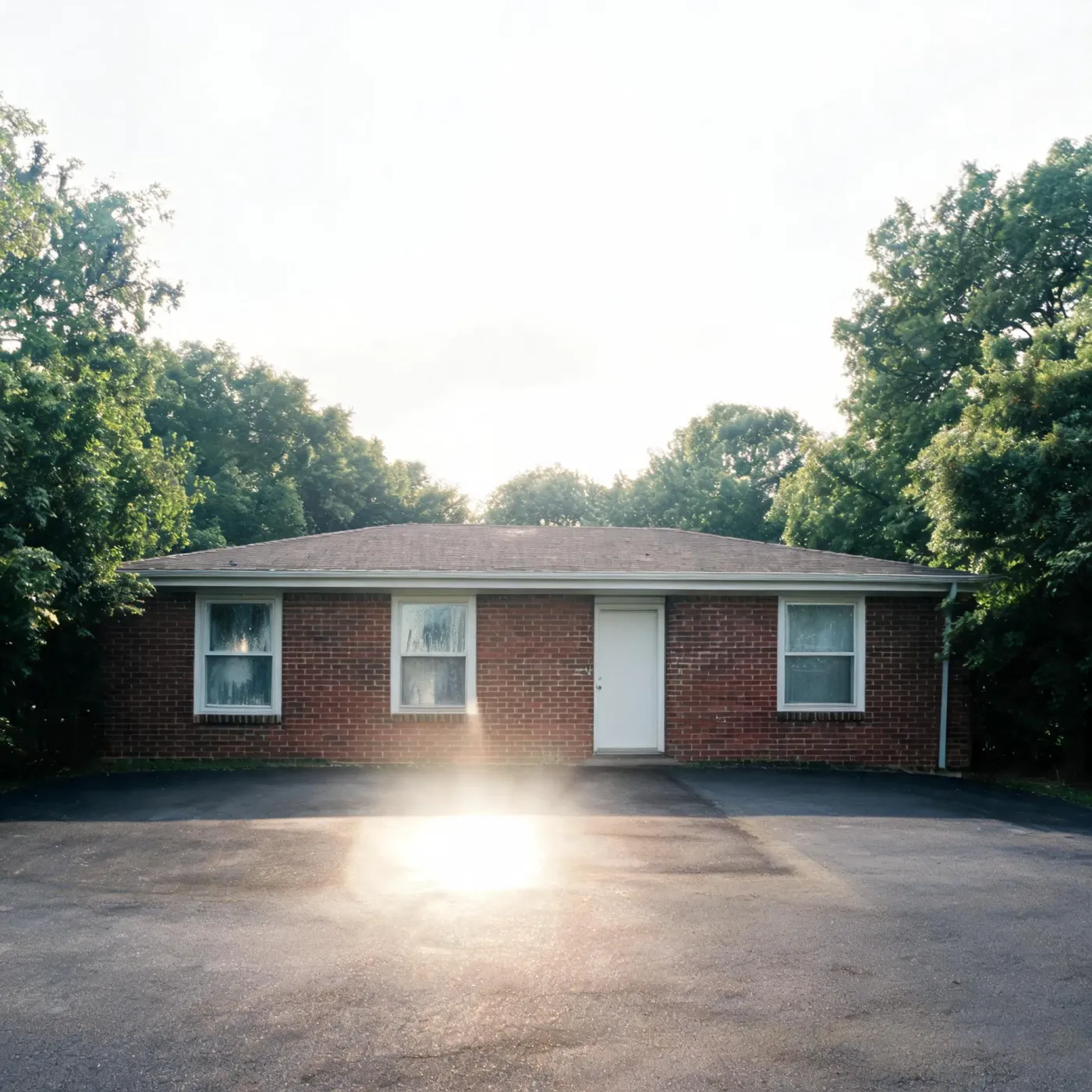
A single-story red brick house with a white door and three white-framed windows, fronted by an asphalt parking area with sun flare, surrounded by green deciduous trees under a bright hazy sky.

Summer air here holds a lot of moisture. The dew point averages 66°F across June, July and August, according to NOAA climate data, and anything above 60 is the kind of muggy that makes a room feel warm even when the thermostat says otherwise. Your heat pump isn't just cooling that air, it's pulling water out of it, and that's the harder half of the job. On the muggiest days you'll notice the system running longer cycles to get the house dry as well as cool. That same reversing valve that pulls heat from cold winter air is working the other direction now, moving heat and moisture both out of the house. If it's struggling to keep rooms comfortable in August, that's worth having someone look at before winter asks something different of it. Send the form and the search for who to call is off your plate.

NASA POWER T2MDEW county cells weighted by homes

Stop chasing a heat pump pro

One installer gets your project, so there's no bidding war over it.

No fee to send it, and nothing to sign.

Most homes in Tennessee heat with electricity already, so the strips that kick in during a hard freeze don't need a separate fuel line or a second system installed.

They just pull more power at the breaker, which is why a well-matched heat pump matters more here than in places that lean on gas furnaces for backup.

Power costs 13.22 cents per kilowatt-hour statewide

At 13.22 cents a kilowatt-hour, every hour those backup strips run costs you something real. A heat pump sized right for your house leans on the strips less, so those hard-freeze nights don't show up so big on the bill.

EIA-861 2025 statewide residential average

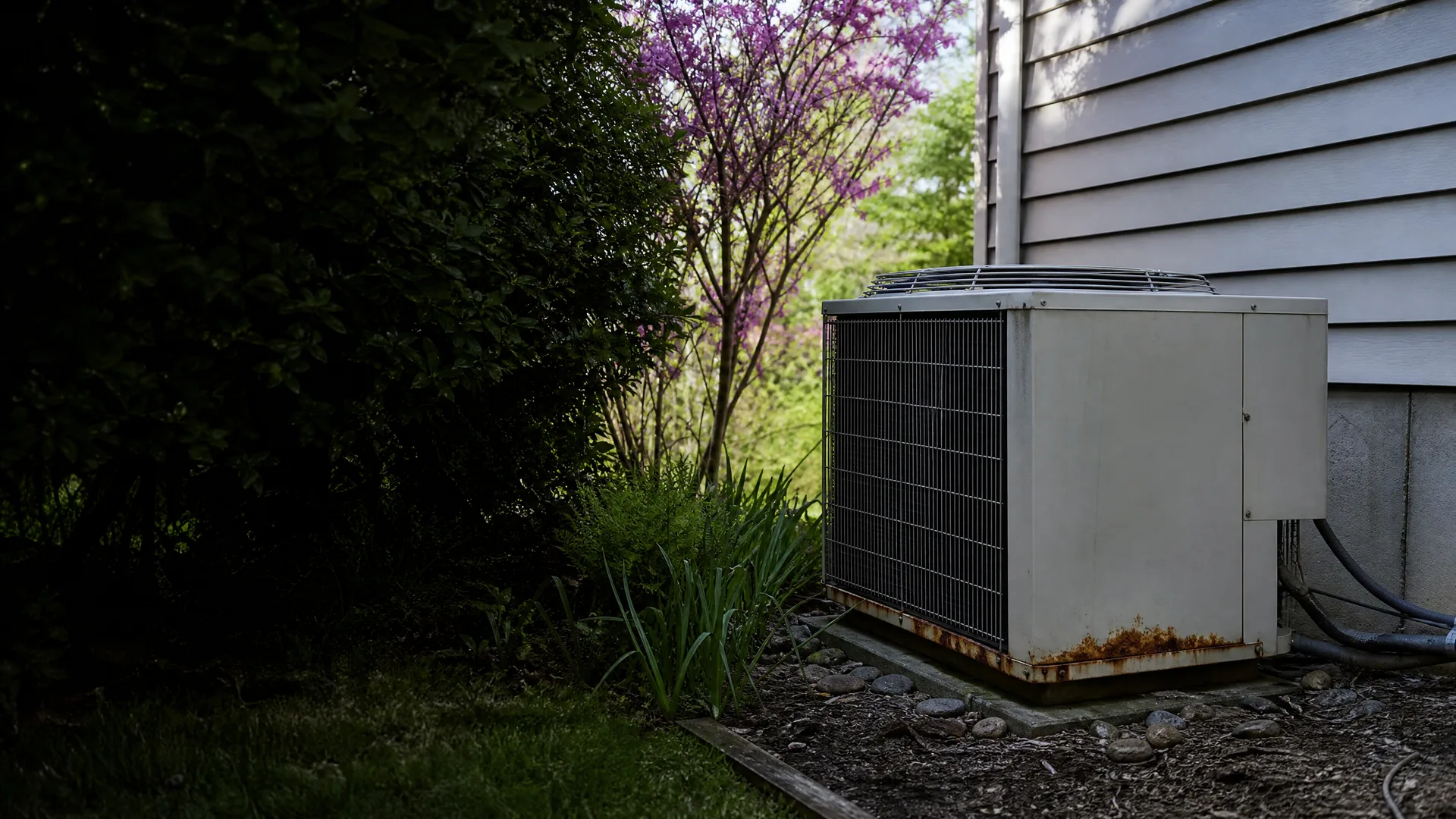
An outdoor air conditioning condenser unit with rust streaks sits on a concrete pad beside a light-colored lap-sided house, surrounded by shrubs, gravel and a flowering tree.

You go out back to check on the unit before the next cold snap rolls in. It's a mild March afternoon, the kind that fools you into thinking winter's done with you. The outdoor unit sits against the side of the house, and you notice the rust creeping along its base, flaking a little where the metal meets the ground. The fan spins fine. Nothing sounds wrong. But you crouch down and see how far the rust has worked its way up the panel, and you think about the night last January when it got into the 20s and the house never quite warmed up like it should have.

Keep It or Replace It

Keep it running as is

  • If the unit still holds the house at temperature through your coldest nights, there's no mechanical reason to replace it yet.
  • A heat pump that's properly sized keeps the backup strips as a backstop, not the main source of heat, which keeps your power bill in check.
  • Routine service, a clean grille, and a working reversing valve can carry an older unit through another winter without issue.
  • Rust on the cabinet or a noisy fan doesn't mean the system can't still heat the house; it means someone should look at it before the next freeze.

Have it replaced now

  • If your current unit leans on the electric strips most of a cold night instead of just the coldest hours, it's likely undersized or losing capacity.
  • A new heat pump matched to your house pulls more heat from cold air before the strips ever have to kick in.
  • If the unit is the one that came with the house, a local installer can tell you whether its coil and compressor still perform the way they did when new.
  • Waiting until a hard freeze finds the failure means a cold house and an emergency call instead of a planned one.
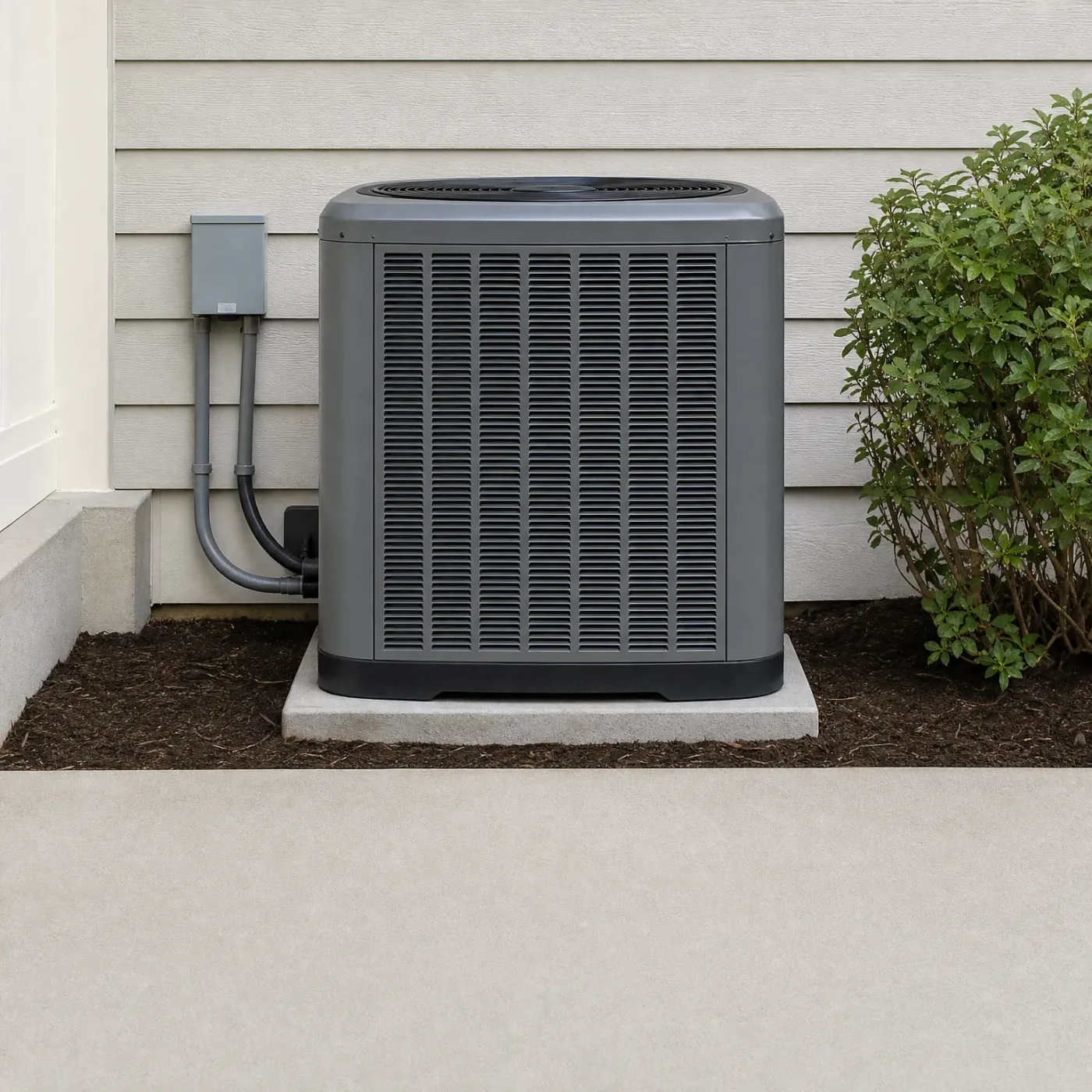
A gray outdoor condenser unit on a concrete pad beside a light-colored lap-sided house, with a wall-mounted disconnect box and conduit, dark mulch, and a green shrub to the right.

Clean grille, normal operation

With the grille clear and the coil free of dust, the unit pulls heat from the outside air the way it's designed to. Airflow moves through without resistance, so even on a cold night it can keep working toward whatever temperature the backup strips need to cover.
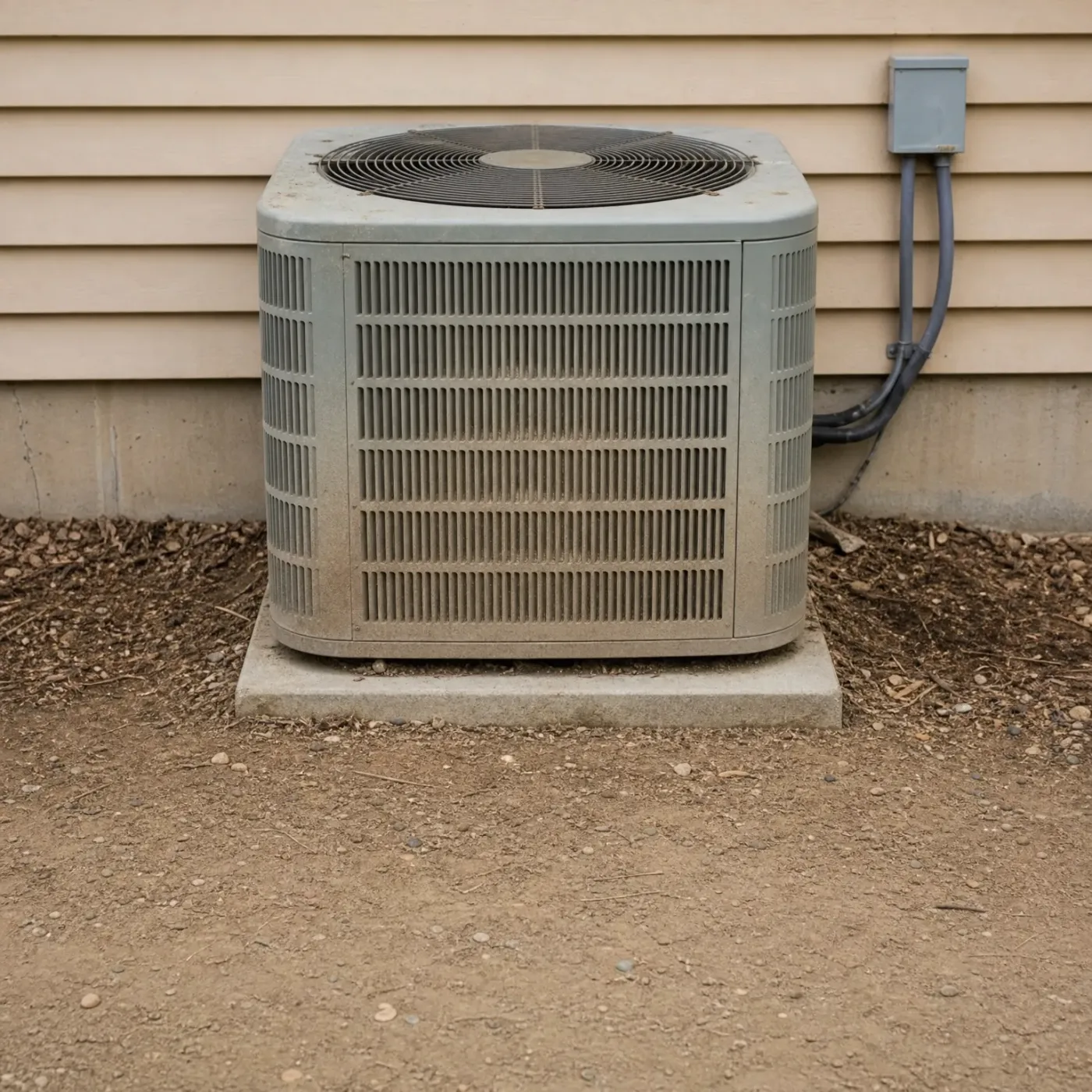

An outdoor air conditioner condenser unit on a concrete pad beside a house with horizontal lap siding, with a gray electrical disconnect box and conduit on the wall and bare dirt and mulch in the foreground.

Grime buildup adds strain

Dust caked across the grille blocks the airflow the coil depends on. On a mild day that might just mean it runs longer than it should. On a hard freeze, it's one more thing working against the unit right when it needs every bit of airflow it can get.

Below about 25 to 30 degrees, your heat pump needs the backup strips to keep the house warm, and that's normal, not a sign anything's wrong. What matters is whether the unit is sized and maintained to lean on those strips as little as possible, since every hour they run adds to the bill. If yours is struggling earlier than it should, or the strips seem to be carrying more than their share, it's worth having someone look at it who installs and services these units in Tennessee winters every year and knows what tends to go wrong first, whether that's a sizing issue, a dirty coil, or a unit that's simply worn out. One licensed contractor local to you can take a look and tell you straight whether it needs a repair or a proper install, without a handful of other companies calling you about the same job. You'll know where you stand either way, and the house stays warm while you figure it out.

Dark metal roofs and a stone chimney of a house seen from above, framed by moss-draped trees, with forested hills and hazy mountains under a cloudy sky in the background.

Send one request and you're done looking

Hand off the search

Sending the form costs nothing.

A heat pump that's sized wrong for your house runs those backup strips more than it should, on the nights you can least afford it. A contractor who installs these year-round in Tennessee knows how to match the unit to your home so it leans on the strips as little as possible.