 I'm done searching
Is a cold-climate heat pump worth it in Tennessee
Send the form and the search for an installer is over.
A cold-climate heat pump is built to keep pulling heat out of outdoor air even when that air is well below freezing, down to temperatures where a standard heat pump gives up and leans hard on backup heat strips. In most of Tennessee, winter does dip into that range some nights, but it doesn't stay there for weeks the way it does further north.
That matters because most homes here already heat with electricity. Your heat pump isn't competing against a gas furnace. It's competing against electric resistance heat, the same backup strips sitting in your air handler right now. A cold-climate unit stretches efficient heating further into cold weather before those strips have to carry the load, and with power priced the way it is here, every hour it keeps the strips off is an hour you're not paying for the expensive way to stay warm.
Summer still matters too. A cold-climate heat pump is still an air conditioner the rest of the year, and your summers get sticky enough that how well it handles humidity, not just temperature, is worth asking about.
Figuring out whether the jump makes sense for your house means knowing your current system, your ductwork, and how it's actually sized, not just reading a spec sheet. That's a conversation with someone who can look at what you have installed now.
You could spend an afternoon calling around, explaining your setup to three or four different contractors, and comparing quotes that don't even price the same equipment. Or you could send one form and let someone qualified come to you with real numbers for your house. Once it's sent, you're done chasing it down.
Is a cold-climate heat pump actually worth it in Tennessee?
You already run a heat pump, and you've heard that cold-climate models keep working at temperatures where a regular heat pump gives up and falls back on electric strips. Tennessee winters don't stay near zero for long, and power here is cheap, so you're trying to figure out if paying for a cold-climate unit actually changes anything for a house like yours, or if it's built for places that get colder than this.
For most Tennessee homes, yes, if you heat with electricity
Most homes in Tennessee heat with electricity, and that's exactly where a cold-climate heat pump earns its keep. A standard heat pump starts leaning on backup heat strips somewhere in the 30s, and those strips use far more electricity than the compressor does. A cold-climate unit keeps pulling heat from the outdoor air well below that point, so it runs on the efficient side of the system through more of the winter instead of switching over to resistance heat. If your furnace or air handler already relies on electric strips for backup, that's the stretch a cold-climate heat pump shortens. The colder the morning, the more that difference shows up on the bill.
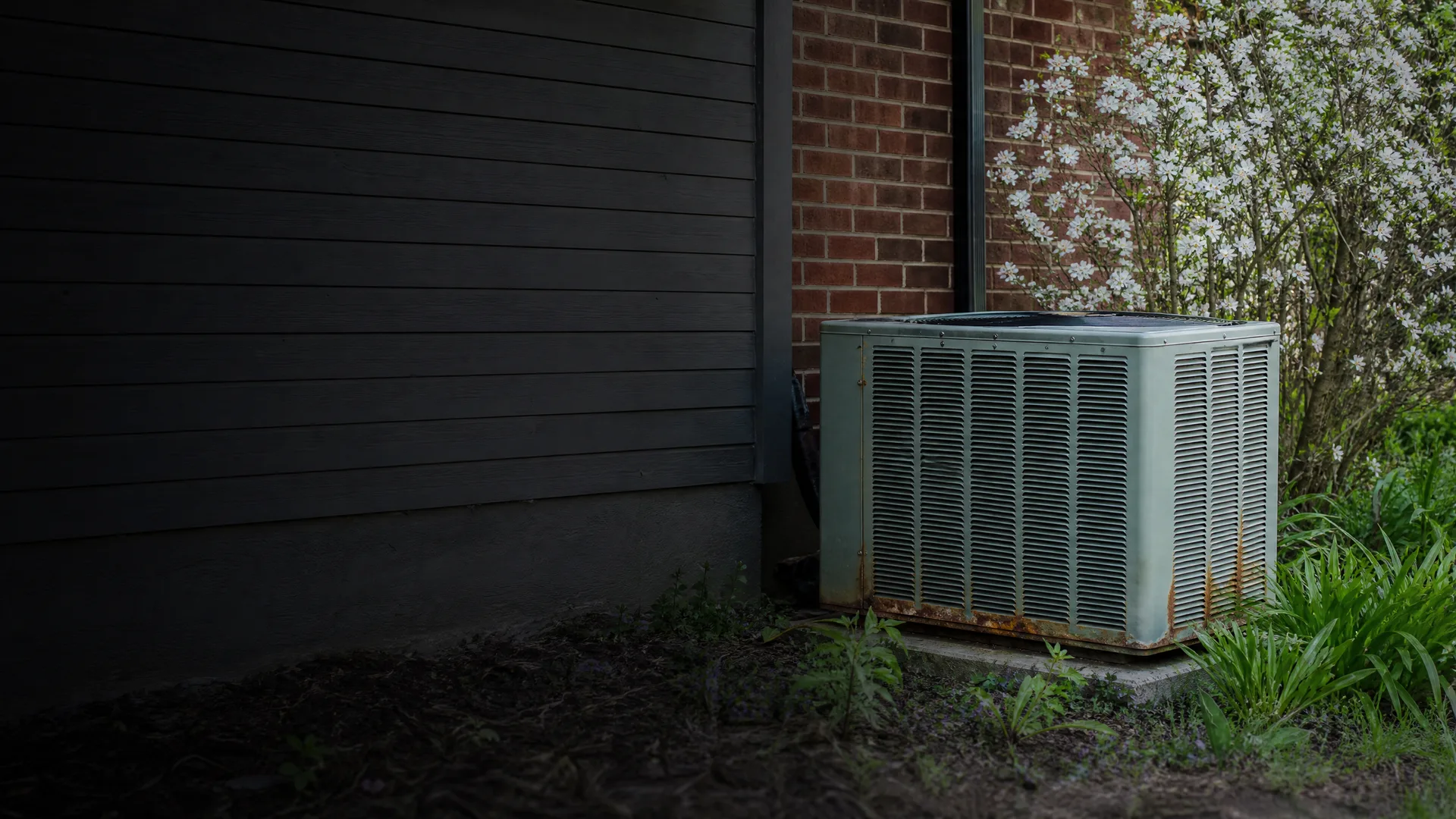
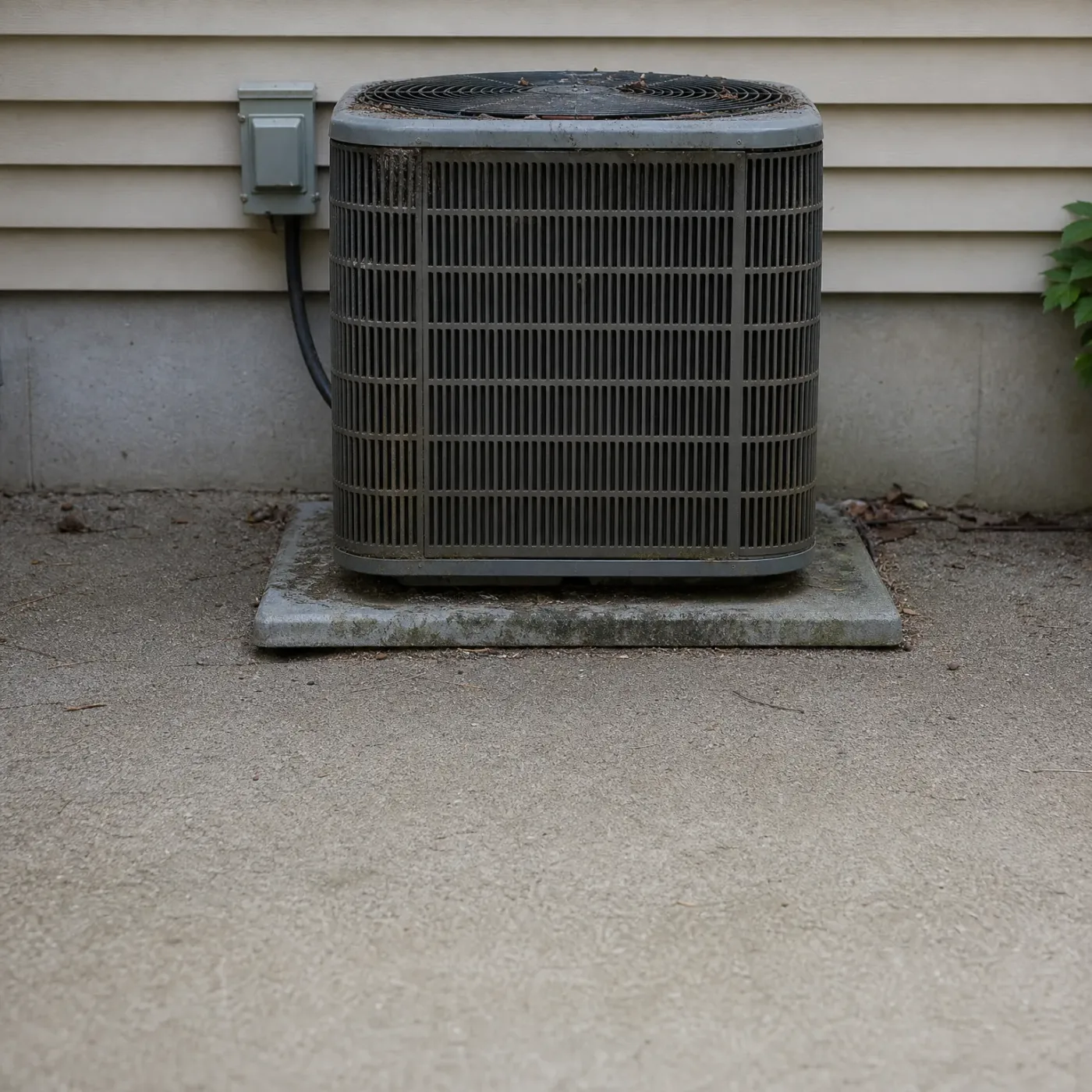
You're out in the side yard on a mild March afternoon, coiling the garden hose, when you notice the outdoor unit for the first time in months. Rust is creeping along the base, flaking where the panel meets the pad. You crouch down and press a thumb against it. The metal gives a little. You think back to January, to the nights it ran almost nonstop trying to keep up, the strips kicking on more than you'd like. You wonder how many more winters like that it has in it before the rust gets past the base and into something that matters.
Does your heat pump struggle on the coldest mornings?
You've probably noticed it already. The system runs almost nonstop on a hard freeze, and the air coming out of the vents feels lukewarm instead of warm. You hear a click and a hum as the backup strips kick in, and the next electric bill shows it. Some mornings the thermostat says it's close to the set temperature, but the room still feels cold. None of that means anything is broken. A standard heat pump loses its grip on outdoor heat as the air gets colder, and strip heat has to pick up the slack. The strain shows up as higher bills through January and February, and as a system that leans harder on backup heat than it should have to.




Done looking for a heat pump pro
Skip collecting and comparing quotes for the new heat pump.
You only hire the pro if you want to.
How a standard unit falls back
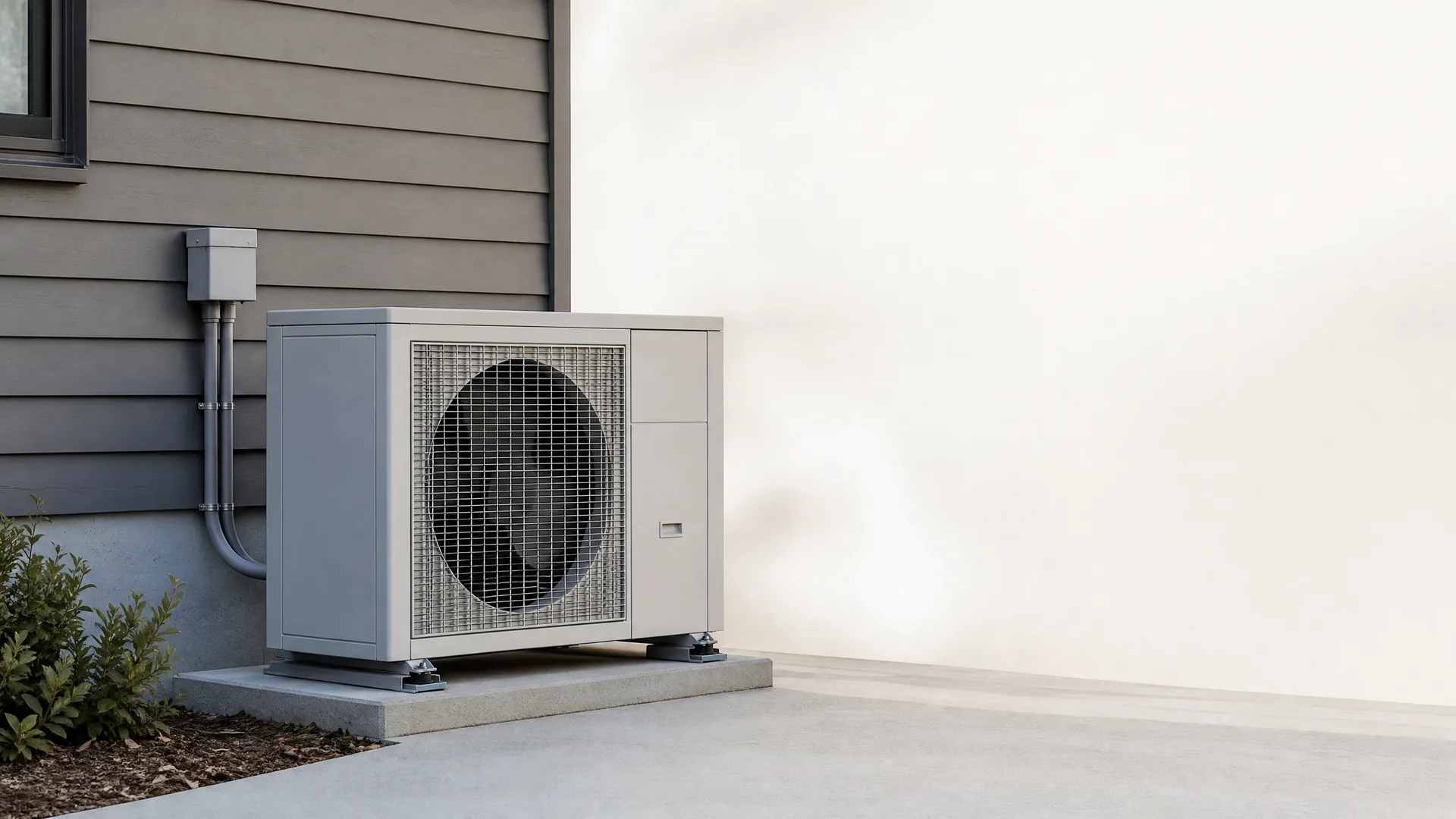
A standard heat pump has a balance point, the outdoor temperature below which it can no longer pull enough heat from the air to keep up. Below that point, electric strips kick in to make up the difference. Those strips work, but they just convert electricity straight to heat instead of moving it, so they use a lot more power to do the same job. A cold-climate unit pushes that balance point much lower, so it leans on the compressor longer and the strips less.
What the compressor does differently
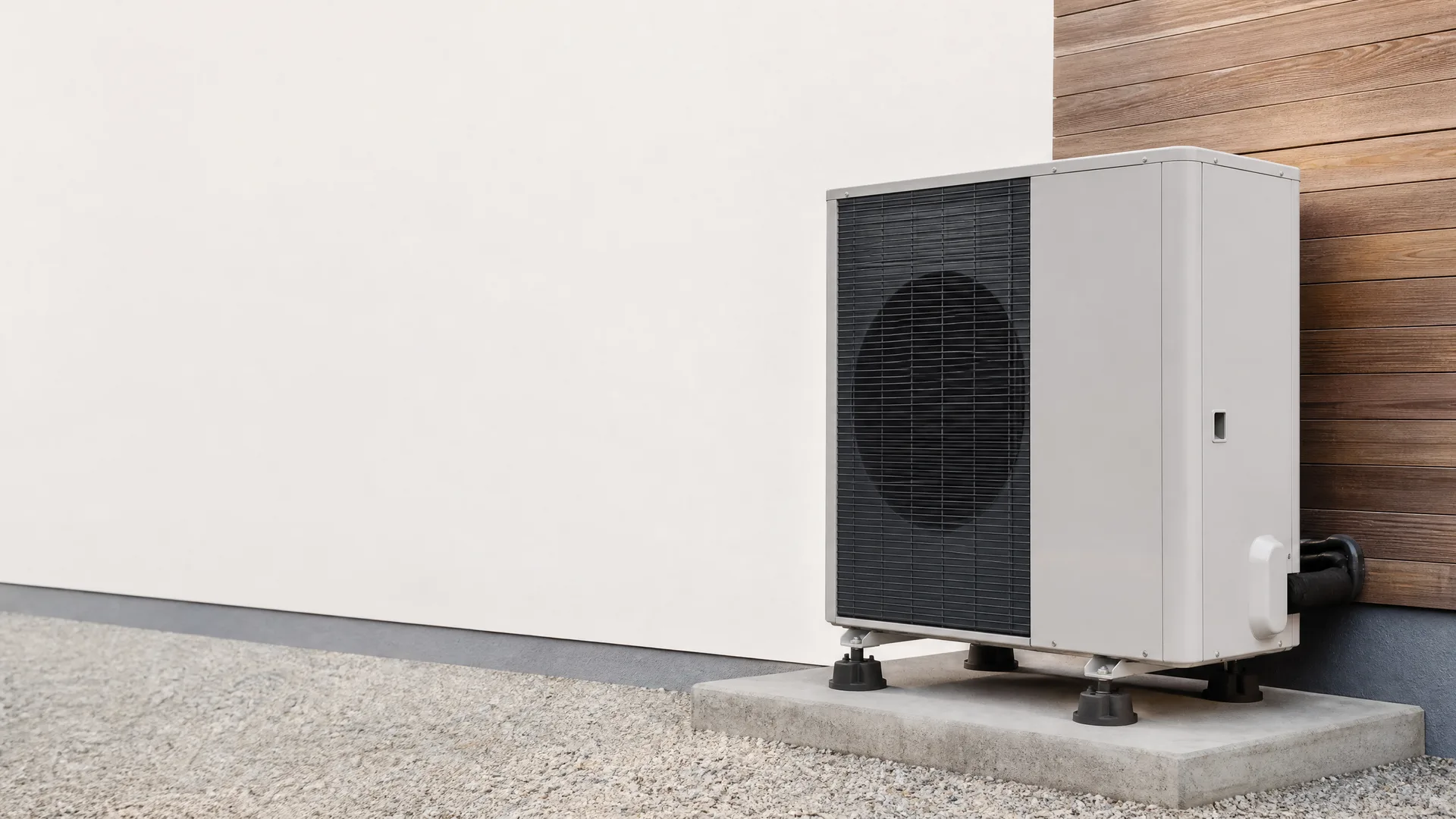
The difference comes down to the compressor itself. A cold-climate heat pump uses a variable-speed or two-stage compressor that can ramp up output as the outdoor air gets colder, where a standard single-stage compressor runs at one speed regardless. Some models also use a more aggressive refrigerant injection cycle to keep pulling usable heat out of air that a standard system would treat as too thin to bother with. That's what lets it keep working near 0 degrees instead of handing the job to the strips.
Standard vs Cold-Climate Heat Pump
Standard Heat Pump
- Below its balance point, usually somewhere in the 30s, it hands off to electric strips to make up the difference.
- Electric strips heat the air directly, so the system pulls more power on the coldest mornings than it does on a mild one.
- On a hard freeze, you may notice the air from the vents turn lukewarm right before the strips kick in.
- It still heats the home fine most days, since Tennessee winters spend plenty of hours above its balance point.
- Replacing just the outdoor unit costs less upfront than a full cold-climate system.
Cold-Climate Heat Pump
- It keeps pulling heat from outdoor air well below freezing, so the backup strips stay off on more of the coldest mornings.
- Since power here runs through electric resistance strips on a standard unit, keeping the compressor working longer means less of that expensive backup heat.
- The compressor and controls are built to run efficiently across a wider range of outdoor temperatures, not just the mild ones.
- It costs more than a standard heat pump to install, since the compressor and controls are built differently.
- On the handful of nights Tennessee does drop into the teens or lower, it's still doing the work instead of leaning on the strips.
The weather data behind this is summer dew point, not temperature, and in Tennessee it averages 66°F across June, July and August. That's the number that tells you how heavy the air feels on your skin, not how hot it is. For your heat pump, that heavy air means it's not just cooling the house, it's wringing moisture out of the air at the same time, and that moisture load runs the compressor longer on top of whatever the thermostat is asking for. You'll notice it as a system that seems to run and run on an evening that isn't even that hot, and a house that still feels a little damp even once the temperature on the thermostat looks right.
NASA POWER T2MDEW county cells weighted by homes
A cold-climate heat pump keeps pulling heat from outdoor air on the mornings that put a standard unit on electric strips, and in Tennessee that difference shows up on the power bill all winter. The same compressor also handles the muggy stretch from June through August without strain. That's the answer, plain. What's left is getting a system sized and installed right for your house, and that part doesn't have to fall on you. You don't have to spend an evening searching contractor listings, calling around to see who answers, explaining the rust on your outdoor unit or the lukewarm air at the vents to three different people, then sitting with quotes trying to tell a fair price from a padded one. Send the form once and that search is someone else's job from there. You already know what your winters and summers do to a heat pump. What you decide now is whether you want the one built for both.
It's off your list after this
Skip searching for a heat pump pro and answer a few questions instead.