Is a heat pump worth it with cheap power in Tennessee
Skip collecting and comparing quotes for the new heat pump.
Cheap power changes the math on a heat pump, but it doesn't erase it. In Tennessee, electricity rates run low enough that a lot of homeowners wonder if the extra cost of a heat pump over straight electric resistance heat, or even a standard AC with furnace backup, is worth paying for.
A heat pump still moves heat instead of making it, so it uses less electricity per degree than a resistance coil does. With cheap power, you keep that advantage on the heating side, and you still get efficient cooling for the muggy stretch of summer here. The savings per month may be smaller than they would be somewhere with expensive electricity, but the unit isn't working against you either.
Whether it's worth it for your house comes down to what you have now, what shape it's in, and what a new system actually costs installed where you live. That's not something a rate chart settles. It takes someone who installs these year-round in Tennessee looking at your ductwork, your current equipment, and your home's heating load.
That's the part people put off, not the decision itself. Finding a contractor who does heat pump installs regularly, not as a side job. Calling two or three companies, explaining your house and your situation to each one, waiting on callbacks, then sitting down to compare quotes that are never built the same way so you can't tell what you're actually paying for.
Below, you can request a quote from a licensed Tennessee contractor who installs heat pumps regularly and knows what tends to go wrong with them here, from humidity load on the coil to how they perform on the coldest nights. One contractor, one conversation, one quote built around your house. No sorting through a stack of bids from companies you called cold.
A heat pump still makes sense in Tennessee, even with cheap electricity, because of how it moves heat instead of making it. A heat pump moves heat from outside air into your house rather than burning or resisting its way to warmth, so it can put out two or three times the heat per dollar of electricity that a resistance system does. Cheap power lowers your bill either way, but a heat pump lowers it further, because it needs less electricity to do the same job. The gap shows up most in the shoulder months, when outdoor temperatures are mild and the heat pump barely has to work. It narrows on the coldest nights, when a heat pump leans on backup resistance heat to keep up. In the summer, it runs as your air conditioner, so you're not paying for two separate systems. The math still favors the heat pump here. It just favors it by less than it would somewhere with expensive power.
Running well, a heat pump on a cheap power rate still beats straight resistance heat on your bill every month.
A heat pump losing efficiency or short-cycling can erase that savings fast, which is why correct installation and sizing matter.
A heat pump works by moving heat, not making it, and that process has a few moving parts worth understanding. The reversing valve is what switches the system between cooling your house in July and heating it in January, using the same refrigerant loop both ways. Outside, when temperatures drop into the 30s, there's less heat in the air to pull from, so the compressor has to work harder to deliver the same warmth. Below roughly 35 to 40 degrees, most systems bring on backup electric strips to cover the gap, which is plain resistance heat, the same kind a heat pump is meant to replace. If the system is sized right, those strips stay off most of the time and only fire when the outdoor temperature actually calls for them. The outdoor unit also runs a brief defrost cycle in cold weather, switching to cooling mode for a few minutes to clear frost off the coil before switching back. A coil that's dirty or a charge that's low makes the compressor run longer to keep up, and that shows up as a higher bill even on cheap power.
How a heat pump actually runs
Below about 35 to 40 degrees, a heat pump's output drops and the system leans on backup electric strips to make up the difference.
Those backup strips are straight resistance heat, the same expensive kind the heat pump exists to avoid running.
A properly sized system sets the strips to kick in only when needed, not every time the compressor runs.
The reversing valve is what lets the same unit cool your house in July and heat it in January.
A dirty outdoor coil or low refrigerant charge forces the compressor to run longer for the same heat, which shows up on your bill.
During defrost, the unit briefly runs in cooling mode to melt frost off the outdoor coil before switching back to heat.
One installer gets your project, so there's no bidding war over it.
No fee to send it, and nothing to sign.
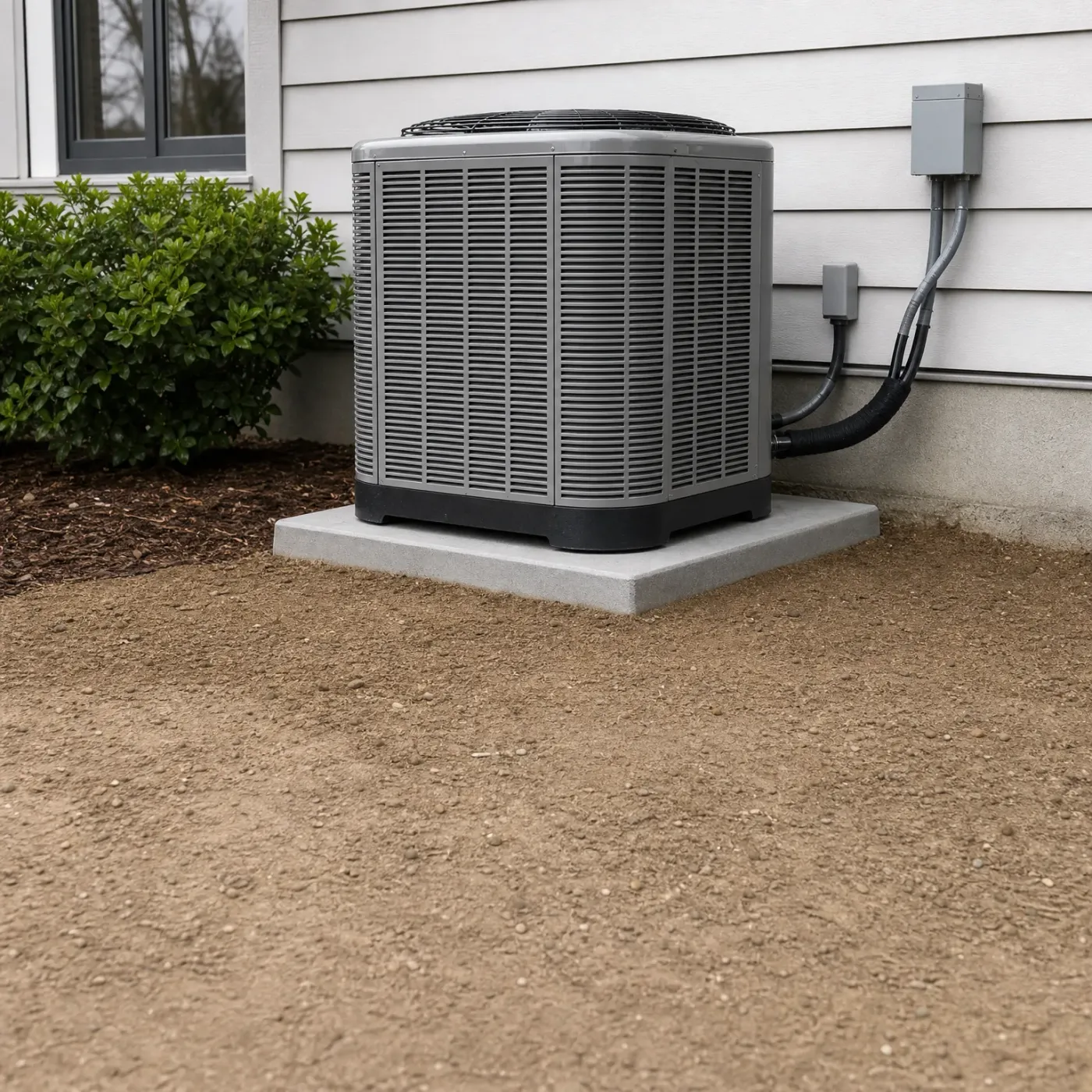
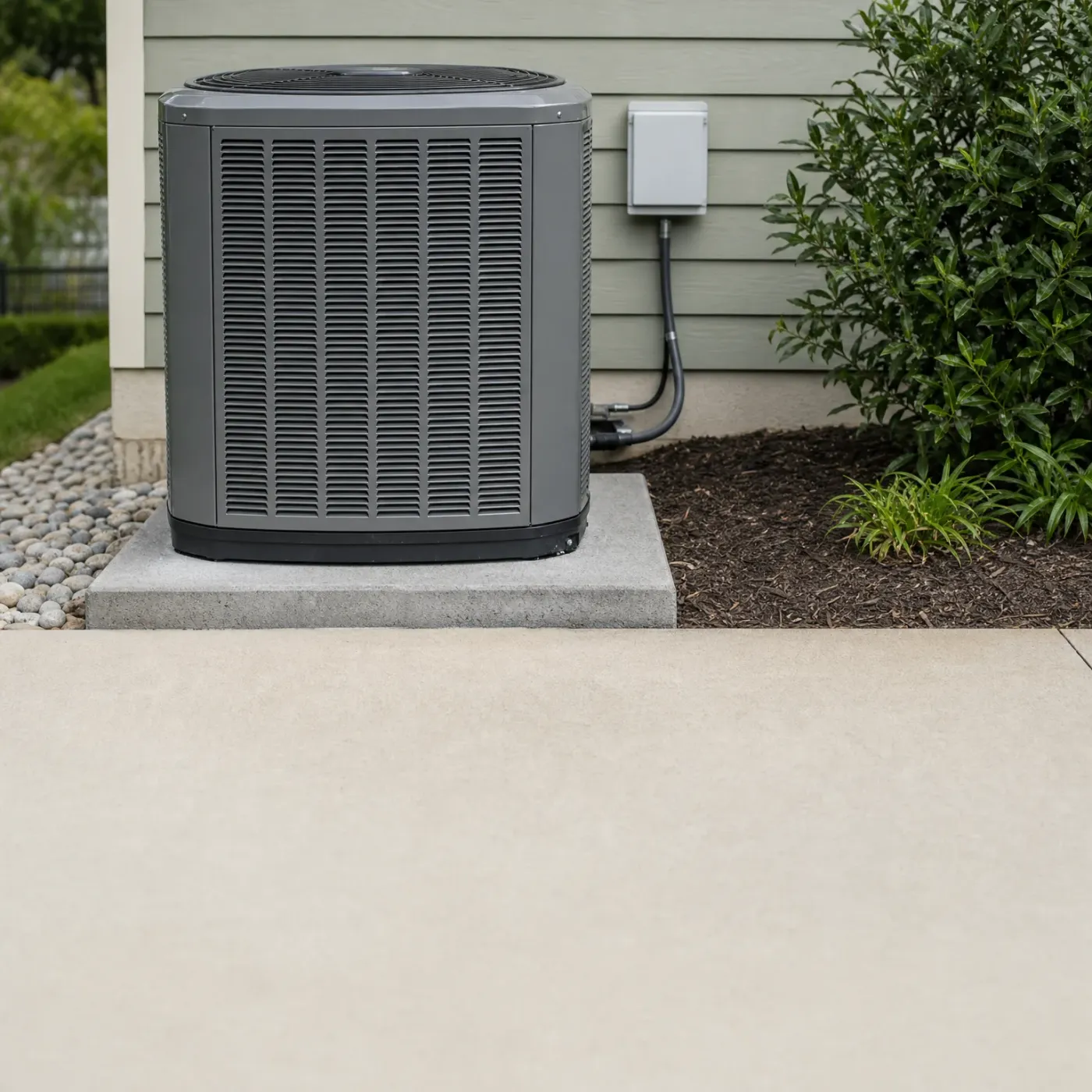
Working the way it should
This is what a heat pump looks like doing its job. The lines run clean from the unit to the disconnect, the pad is level, and the system cycles on and off without strain. Sized and installed right, it holds this house at the set temperature on whatever power it needs, no more.
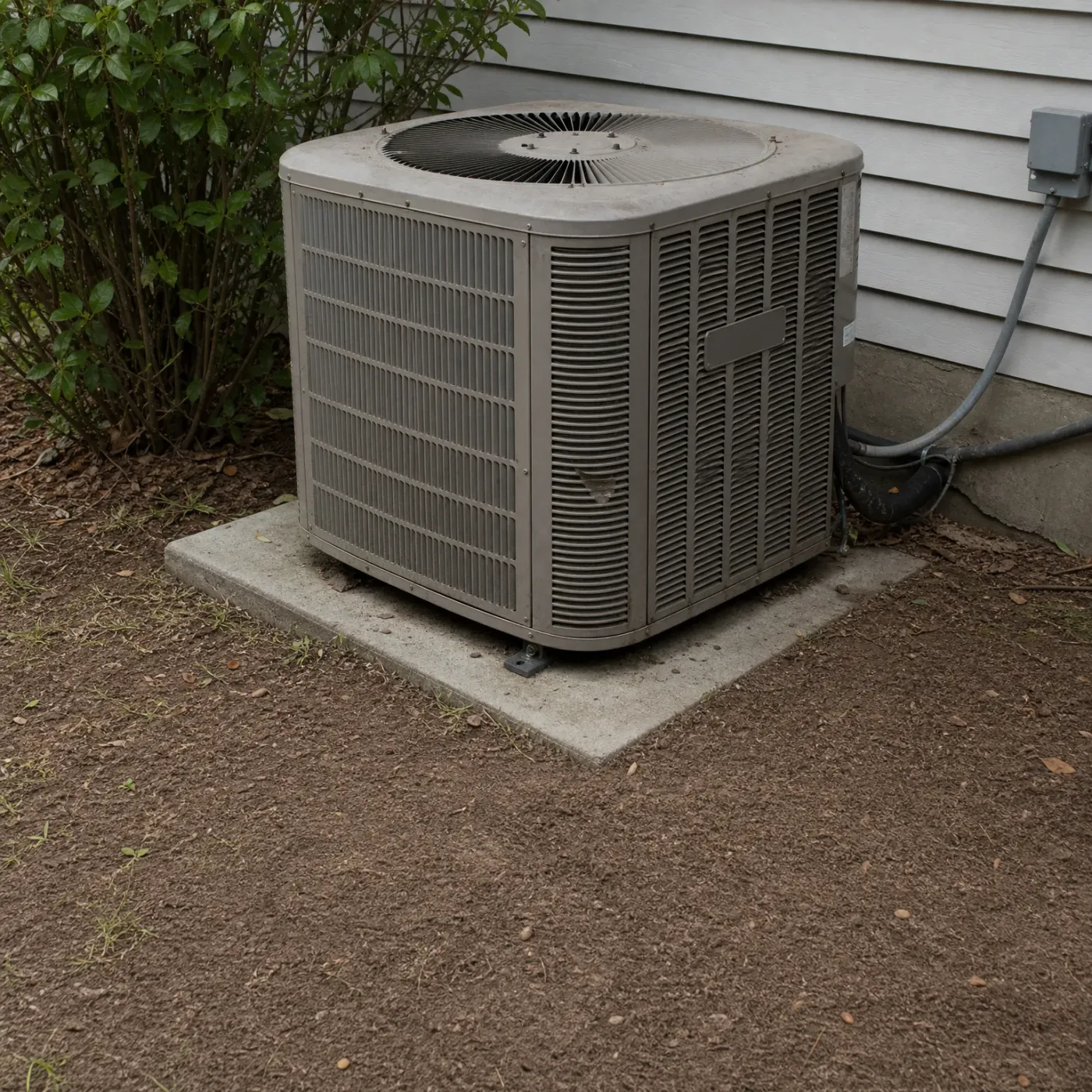
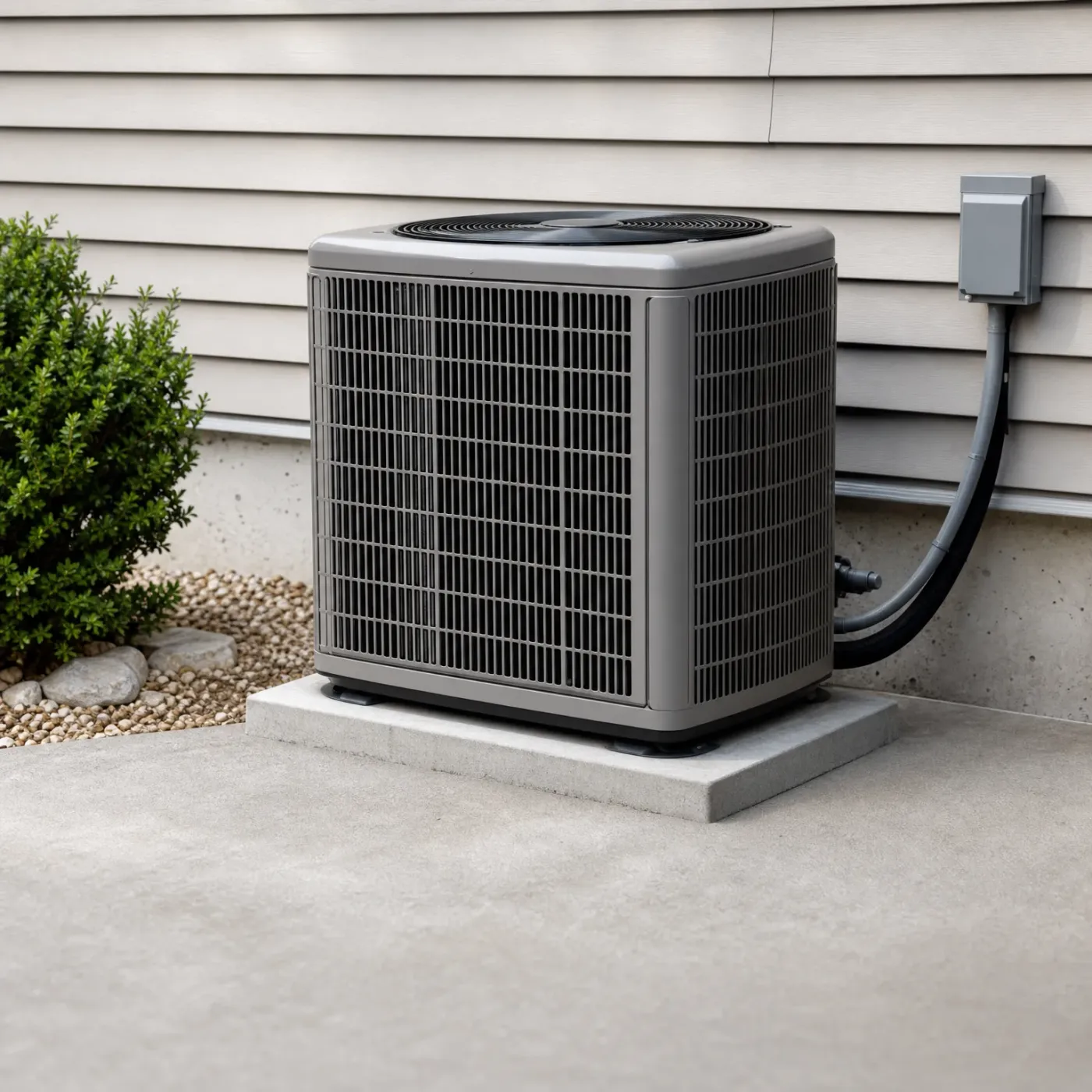
Running but costing you
Nothing here looks broken. The unit runs, the lines are intact, the disconnect is wired up. But a heat pump that's undersized, low on charge, or installed with the wrong line set will lean on backup heat more than it should and quietly run your bill past what cheap power was supposed to buy you.
Why does your heat pump feel like it's not keeping up
You notice it on the coldest mornings. The air coming out of the vents feels cooler than it should, or the system runs almost constantly without the house ever feeling warm. You might hear it click over to a different sound, that's the backup strips kicking in, and your bill for that month shows it. In summer it can go the other way: the house feels muggy even with the thermostat set low, or the unit outside runs long cycles without the air inside ever feeling dry. Some of this is normal for how a heat pump works. But if it's happening often, or the outdoor unit looks iced over, ductwork wasn't sized for it, or the system was sized for a different house, it's usually pointing at a sizing or installation problem, not a flaw in the equipment itself. Left alone, that shows up as a higher power bill every month and a system that wears out running harder than it should.
1
The thermostat calls for heat and the reversing valve shifts position.
2
The outdoor coil pulls heat out of the outside air.
3
Refrigerant carries that heat inside and the compressor pressurizes it hotter.
4
The indoor coil releases that heat and the blower pushes it through your ducts.
Before you get your heat pump installationAfter you get your heat pump installation
Power costs 13.22 cents per kilowatt-hour statewide
At 13.22 cents per kilowatt-hour, every unit of heat your pump moves instead of makes costs you less than it would in most states. That gap is what keeps a correctly sized heat pump ahead of straight resistance heat on your power bill here.
EIA-861 2025 statewide residential average
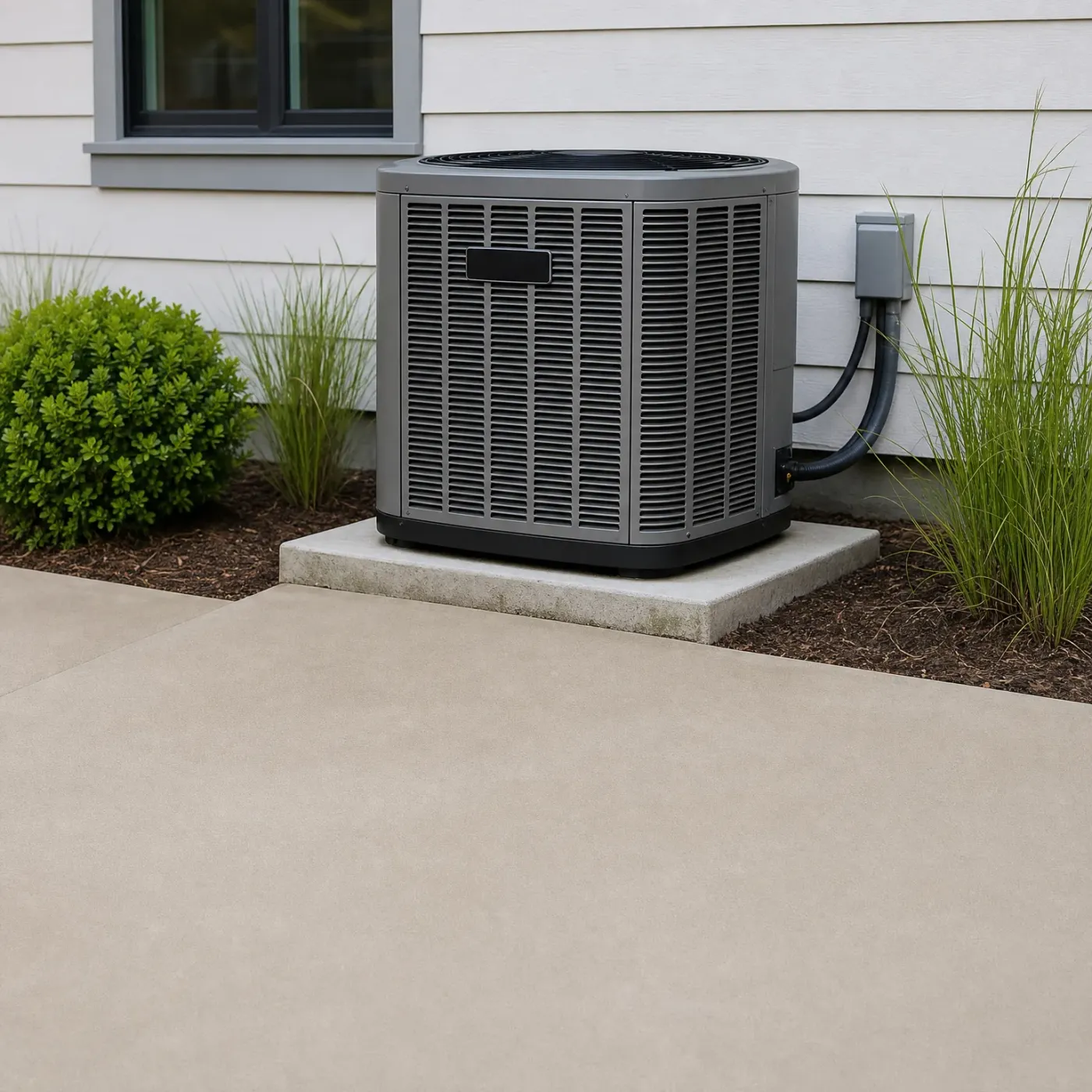
Running clean
This is a heat pump set up to last. The lines run straight up the wall to the disconnect, the pad sits level, and the coil is clear on all sides so it can breathe. A unit kept like this holds its output through a Tennessee summer without the compressor straining to keep up.
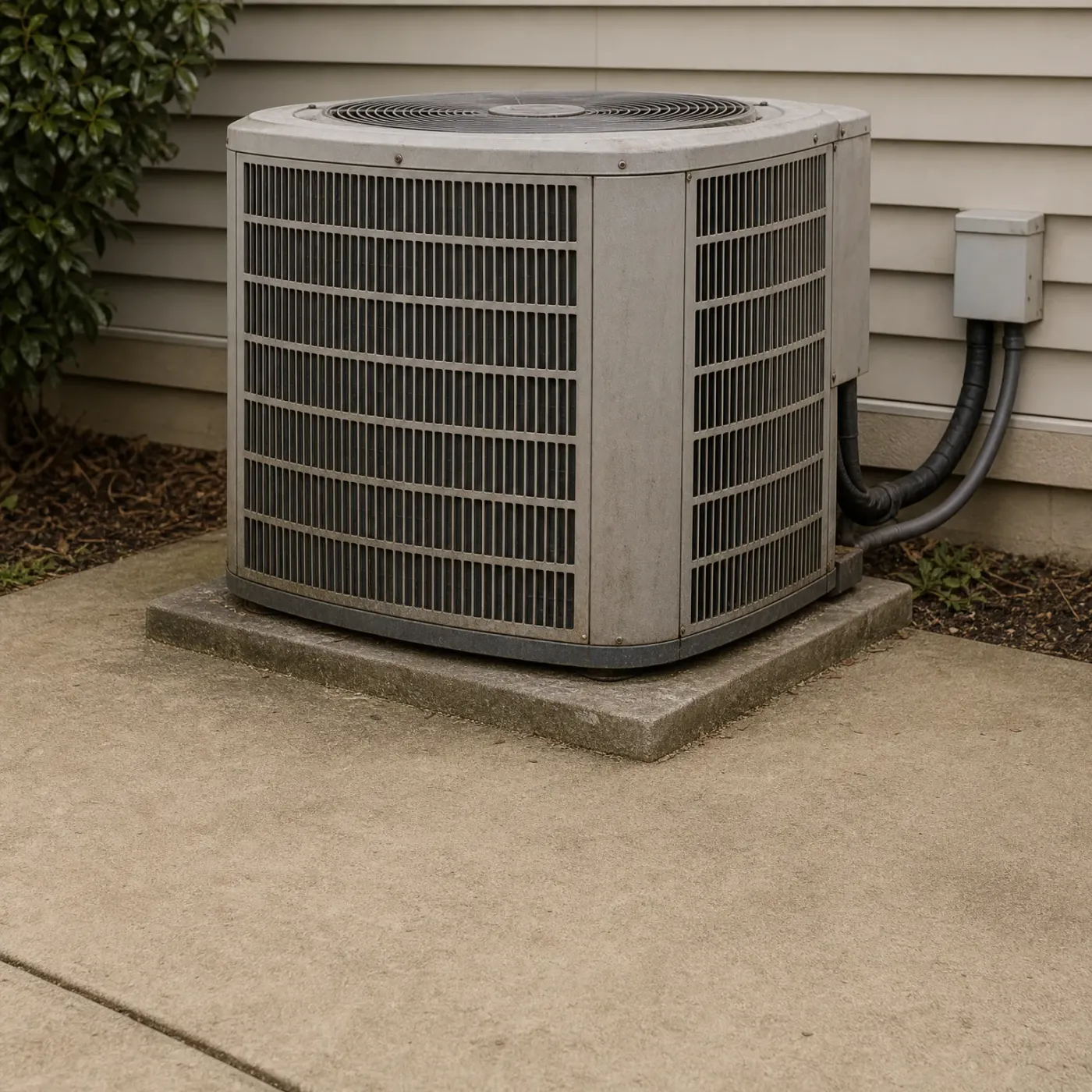
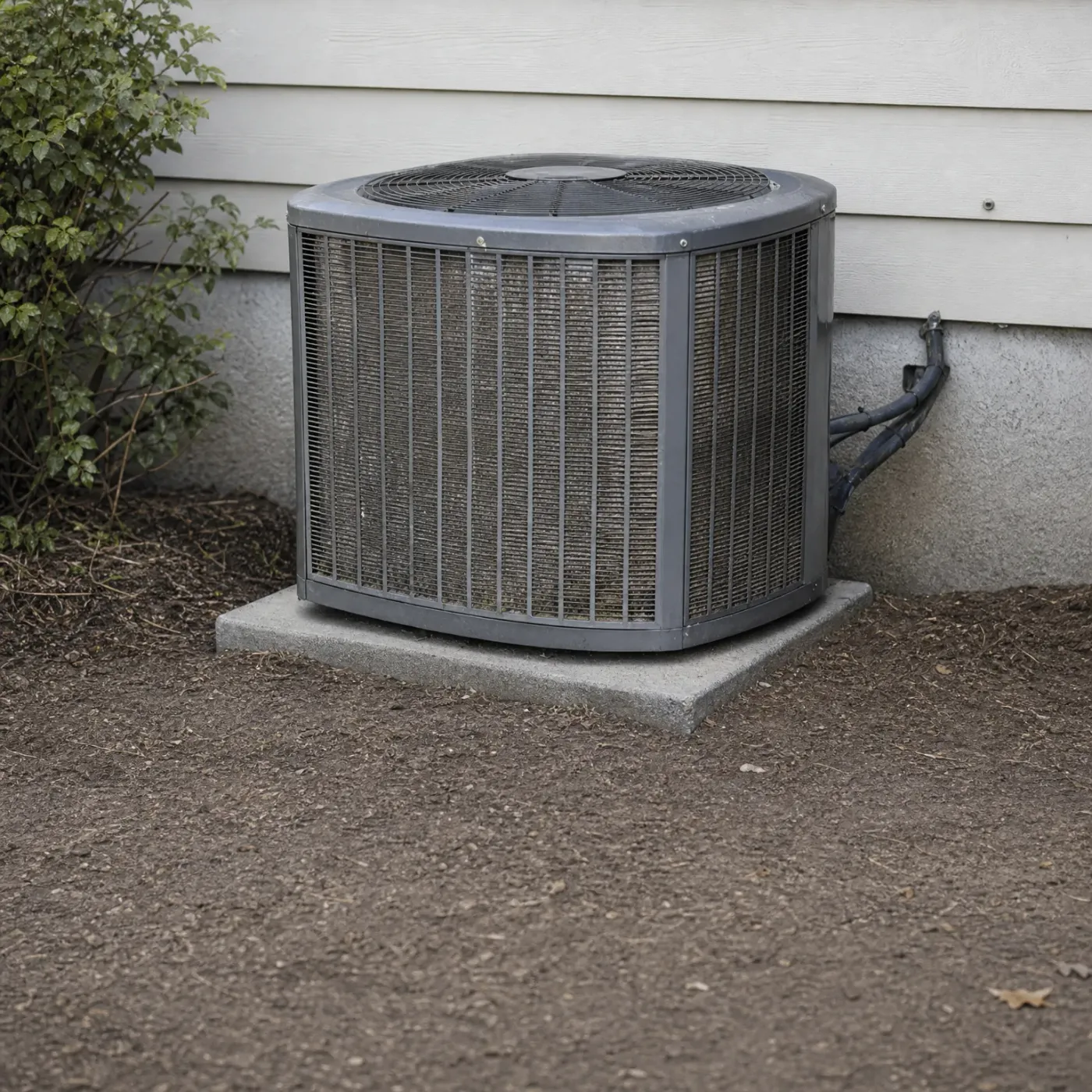
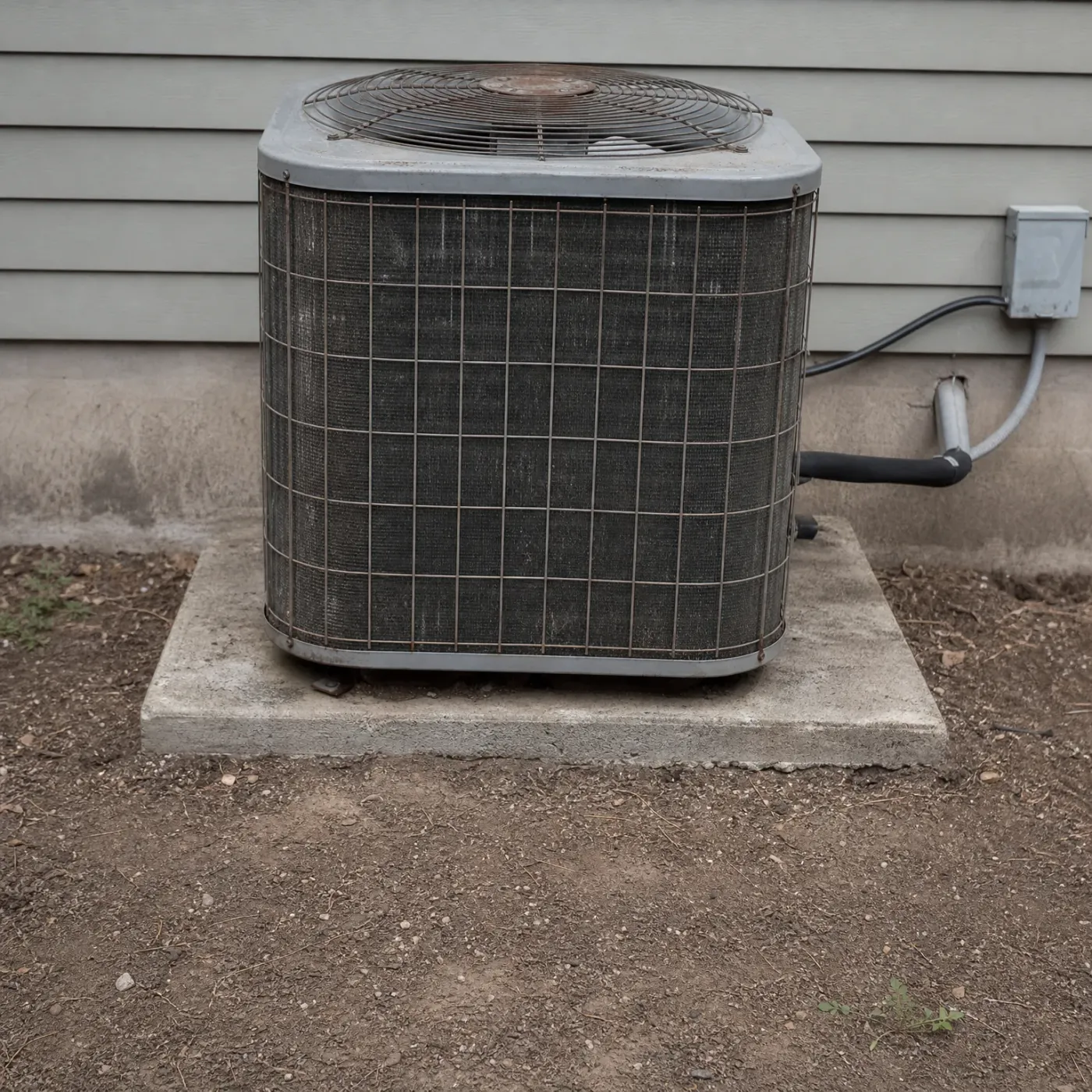
Caked and struggling
This coil is packed with dirt and grass clippings. Air can't move through it the way it needs to, so the unit works harder to move the same amount of heat, in or out. Left like this through a few summers, it pulls more power and wears down faster than it should.
So is it worth it
With power priced the way it is here, a heat pump that's sized right and installed right will still cost you less to run than straight electric heat, month over month. The savings depend on the install being correct from the start, the refrigerant charge right, the ductwork matched to the unit, the backup strips set to kick in only when they should. None of that is guesswork once it's done properly.
What you don't have to do is figure out who can be trusted to get it right. You won't be pulling a list of contractors, calling each one, describing the same symptoms three or four times, then sitting on quotes trying to guess which number is honest. A local contractor who works on these systems all year, through the summers and the cold mornings alike, already knows what tends to go wrong and what a correct setup looks like in a house like yours.