One more repair bill
Another service call, another part swapped, and no way to know what fails next month. Your electric bill keeps climbing while the unit limps along on borrowed time.

A heat pump worth repairing is usually worth repairing, and one that keeps failing is usually worth replacing. If the unit is under 10 years old and the repair bill is a single part, like a capacitor or a reversing valve, fixing it is the right call. If it's older and you're looking at a second or third repair in a couple years, that's a different situation, especially in Tennessee, where most homes rely on the heat pump for heat all winter, not just for summer cooling. A system that struggles in that role costs you comfort on top of money. Age matters here because a heat pump works year round in this climate, cooling through sticky summers and heating through winter, so it logs more hours than equipment that only runs part of the year. More hours mean parts wear sooner. If yours is pushing 12 to 15 years and trouble keeps coming back, replacing it usually makes more sense than paying to patch it again.




A heat pump works year round in Tennessee, not just in summer. It switches over to heat the house all winter, then runs the other way once it gets sticky again, so the compressor logs more hours than a straight air conditioner would in a home that heats with gas. That matters once a unit passes 10 years old. The compressor has been cycling on every mild morning and every muggy afternoon for a decade, and a repair at that point is patching one part on a machine whose other parts are on the same schedule. A newer unit hasn't put in those hours yet, which is why the same repair bill means something different depending on which side of 10 years the heat pump is on.
Power is cheap in Tennessee, and most homes here heat with electricity, so the heat pump is running the furnace too, not just the air conditioning. A unit that has lost efficiency from age is drawing more power to do both jobs, winter and summer, on every cycle. A reversing valve or a weak compressor dragging down performance doesn't just risk a bigger failure later, it costs something every month it keeps running that way. Replacing it with a properly matched system gets that electric bill back down closer to what it should be, since the equipment doing the heating and the cooling is the same equipment, and the inefficiency shows up twice a year instead of once.
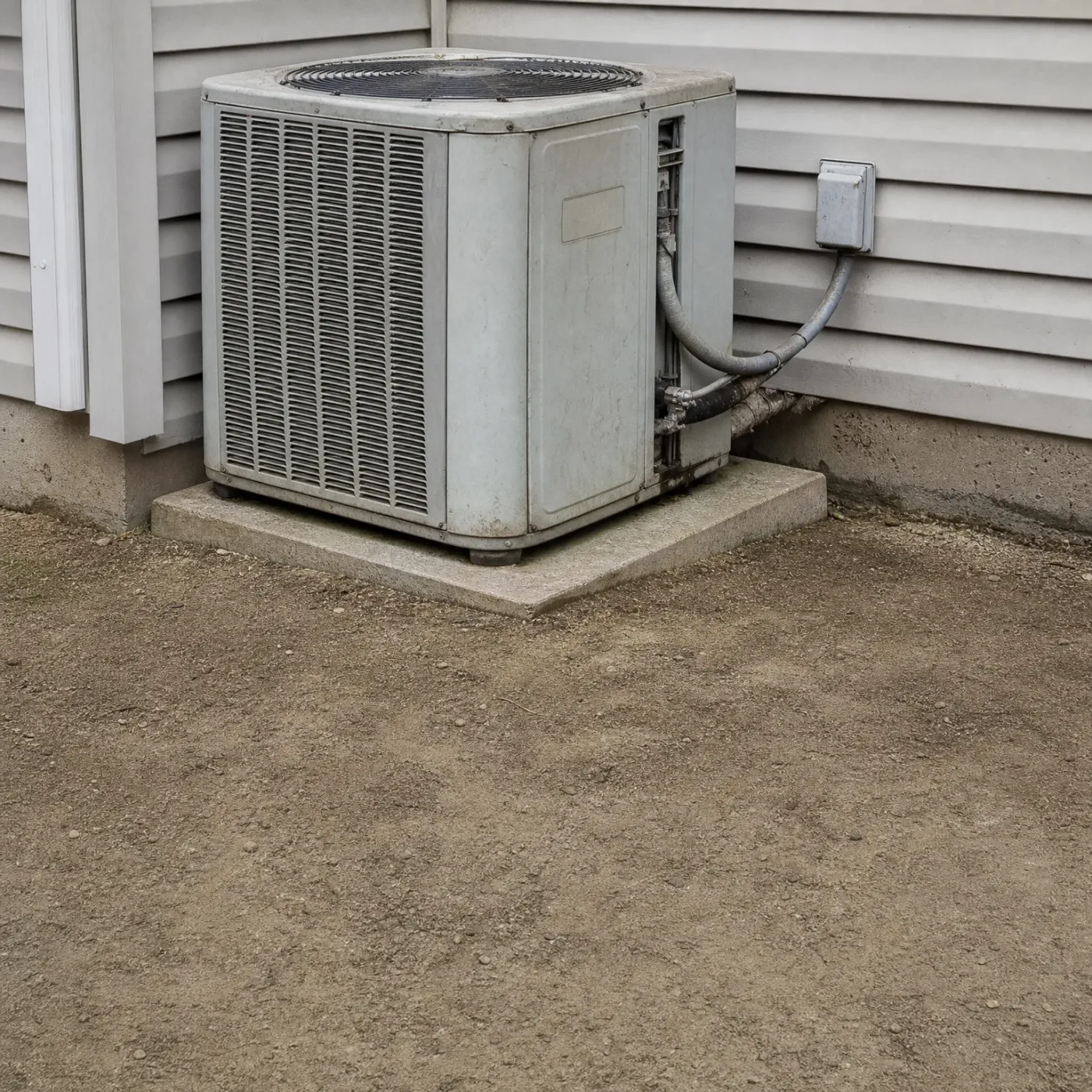
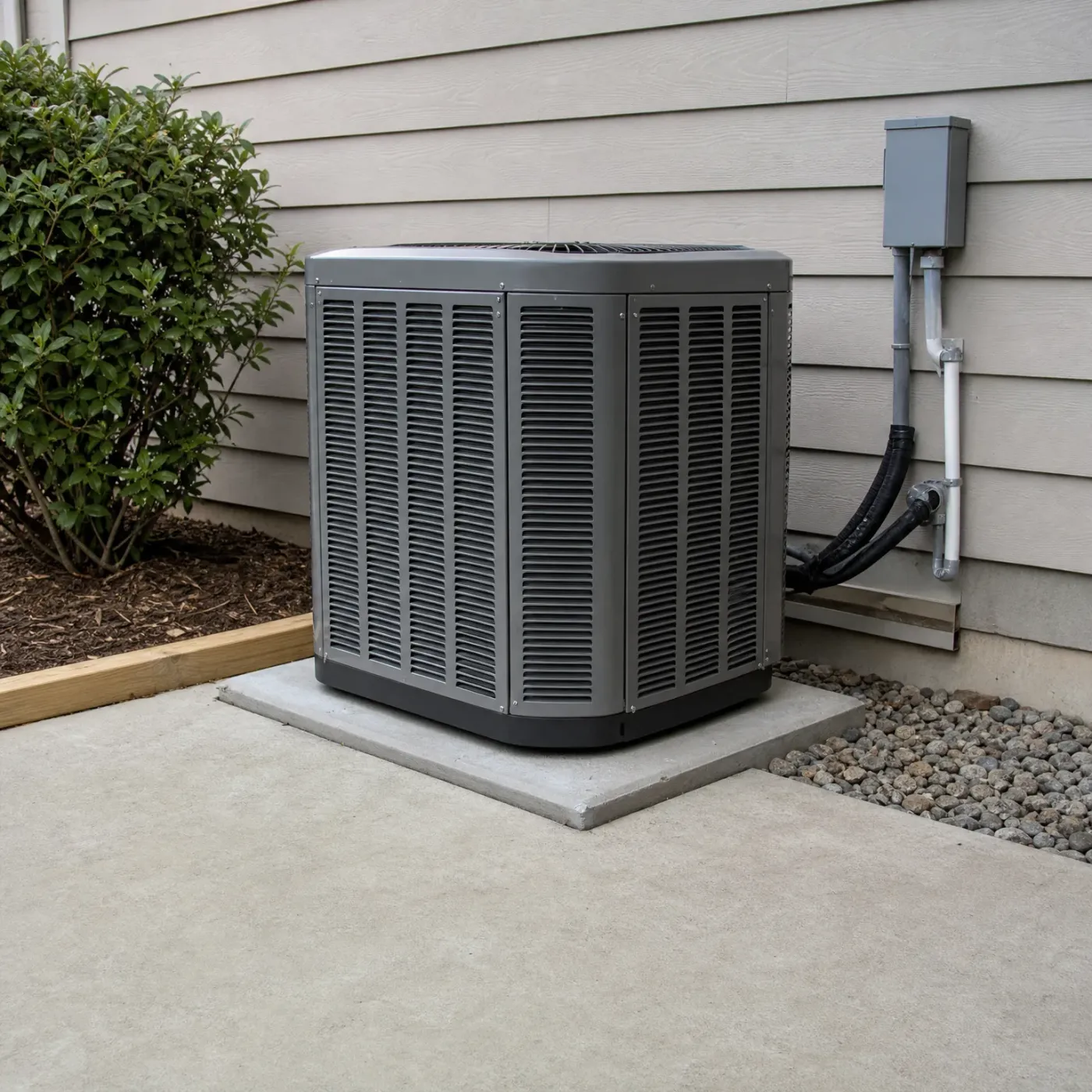
Another service call, another part swapped, and no way to know what fails next month. Your electric bill keeps climbing while the unit limps along on borrowed time.
Installed to run right through a sticky Tennessee summer and a cold snap in January, without you wondering if this is the week it quits.
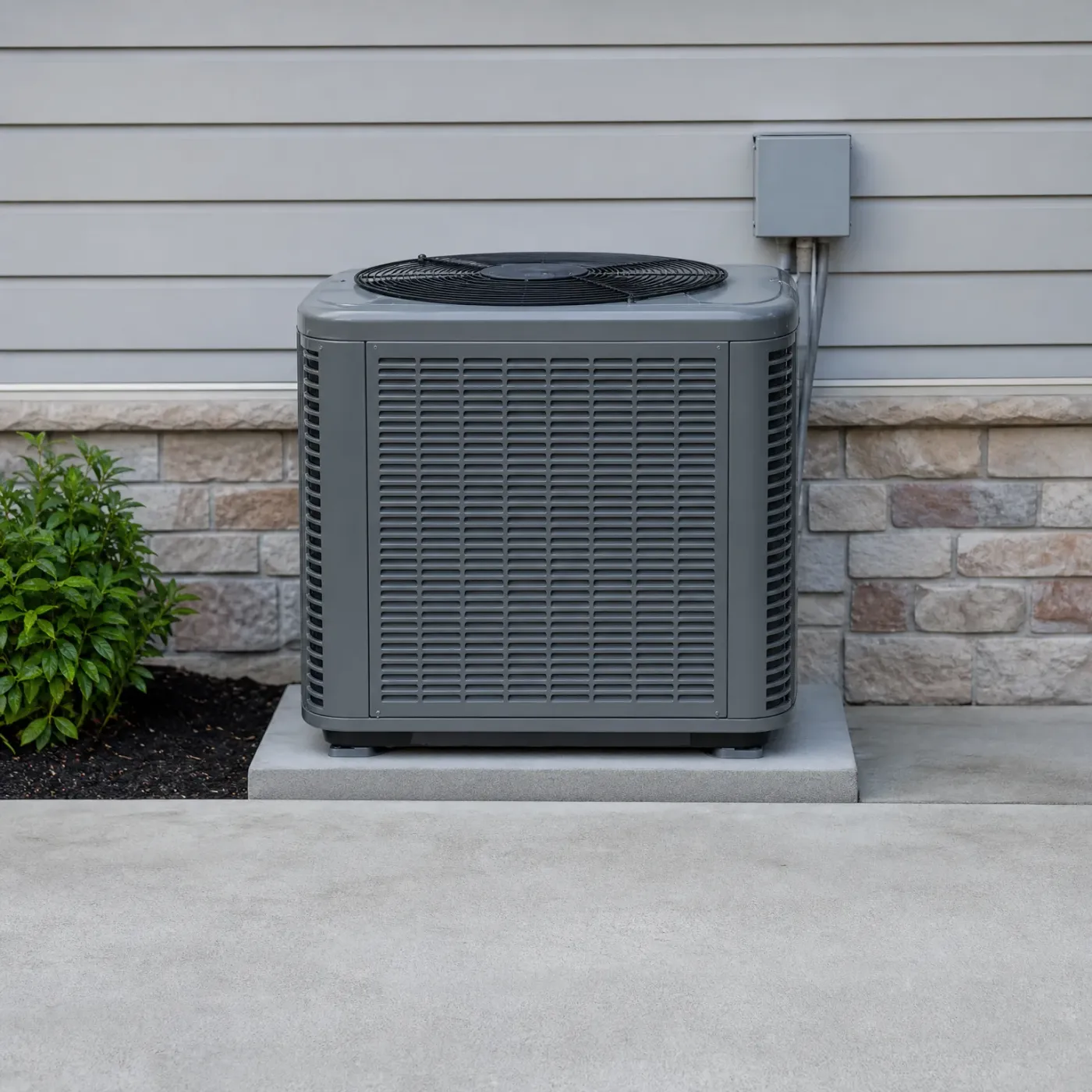
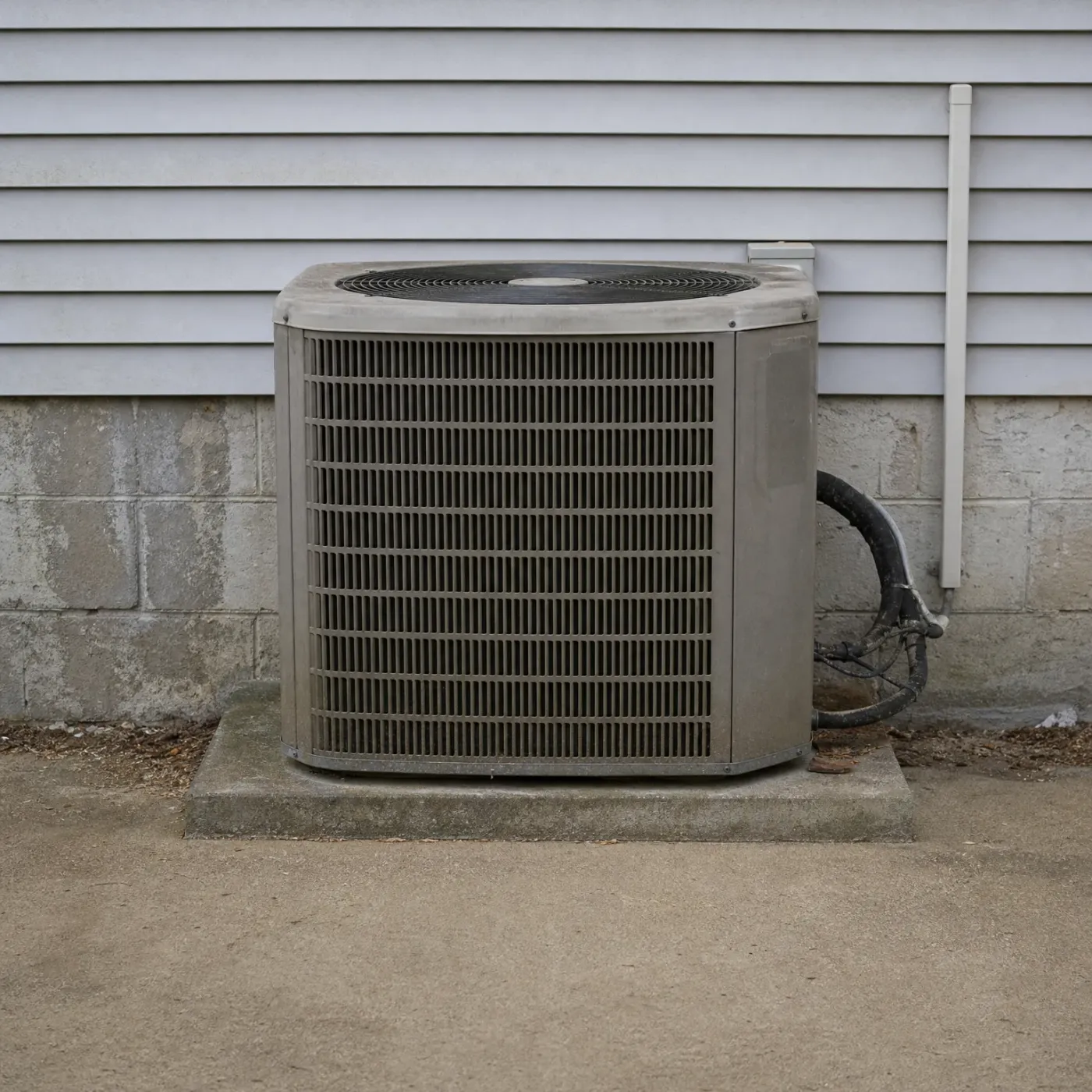


A heat pump in Tennessee never really gets a season off. It heats the house most of the winter since electric heat is what most homes here run on, then flips over and cools it once the air turns sticky, so by the time it starts short cycling or freezing up, it has already put in more hours than a furnace or an AC ever would alone. That makes the repair or replace call harder to put off. An old unit nursed along on one more fix tends to pull more power doing less work, and power here is cheap enough that people don't notice it happening until the bill does. A contractor who looks at the unit in front of them, not a guess over the phone, can tell you which side of that line yours is on. Send the request and let someone with the right license sort out what your system actually needs.
A single repair on a unit that still has most of its life left is money spent on a system that will keep running for years. The cost is known upfront, the part gets replaced, and you're back to normal that same week. You're not betting on anything. The compressor and coils are already paid for, and keeping them working is cheaper than starting over. This only holds if the unit hasn't already needed two or three other repairs in the past year or two. One part failing is bad luck. A pattern of parts failing is the unit telling you something else.
A heat pump that's needed a few repairs in close succession is past the point where one more part fixes the real problem. Each fix buys a little time, not a solution, and the next failure is already on its way. Meanwhile the unit is working harder than it should to heat and cool your house, and that shows up on your electric bill every month. Replacing it stops the guessing. You get a system sized for your house, running at full efficiency, without the next breakdown hanging over you. For a unit old enough to be on its second or third repair, that trade makes sense.
At 13.22 cents a kilowatt-hour, your heat pump stays the cheaper way to run this house, since it's moving heat rather than making it the way baseboard or strip heat does. A unit that's lost efficiency with age costs you more every month at that rate, which is what makes a tired system worth replacing sooner rather than later.
EIA-861 2025 statewide residential average
The age of the unit and the part that failed give you the answer. A heat pump still in its first ten years, with a single part gone like a capacitor or a reversing valve, is worth fixing. One that keeps coming back with a new problem every season is telling you something different, and so is the power bill once the unit loses efficiency, since electric heat is what runs most homes here and a weak system burns more of it to do the same job. None of that changes because the unit happens to run both directions. Tennessee asks a heat pump to heat the house all winter and cool it once summer turns sticky, so the compressor has already logged more hours than a unit that only ran half the year, and that matters when you're weighing a repair against a replacement.
You don't have to work out which side of that line your unit falls on by yourself. Send the details in, the age, the part, what it's been doing, and a contractor who knows these units can tell you straight which way it goes. That's the part that stops being your job once the form is in. No more calling around, no more guessing whether the quote you got sounds right. Someone who does this for a living looks at your situation and tells you what's actually true about it, and you go from there knowing where you stand instead of still wondering.





Send the request and finding a pro stops being your problem.
Asking costs nothing, and the choice to hire stays yours.