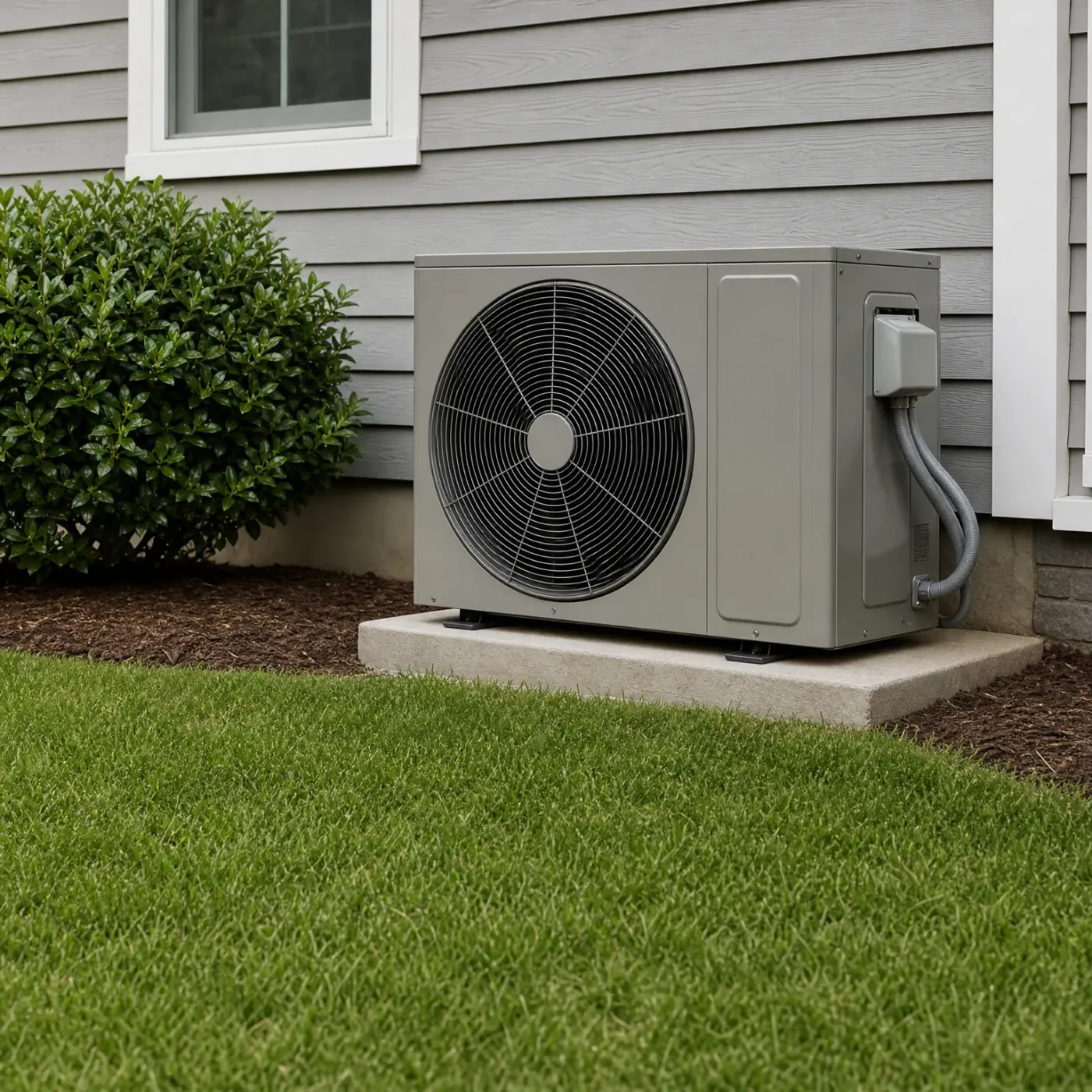
Working the way it should
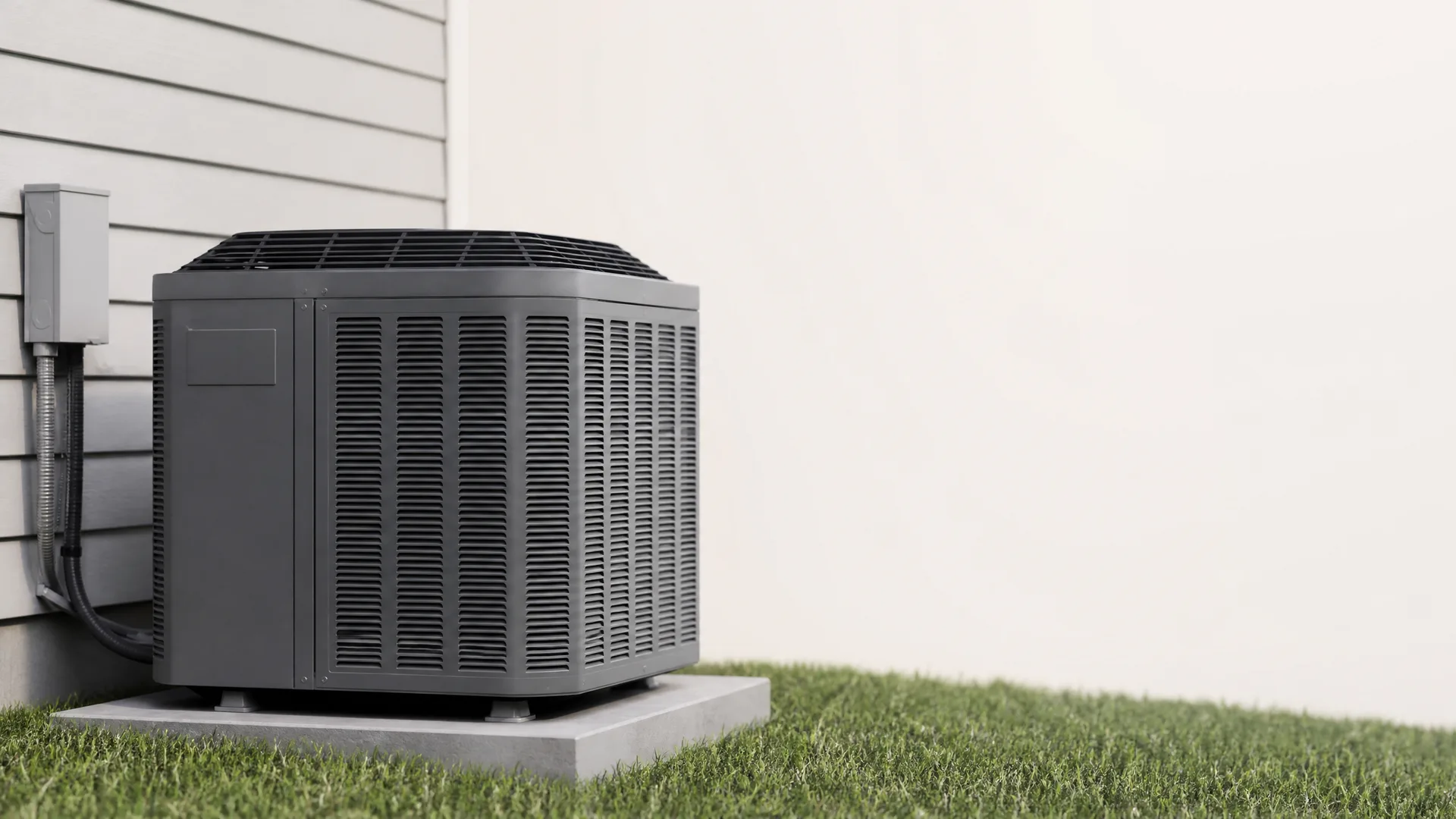
This is a heat pump pulling heat from the outside air, same as always. The coil stays clean, the fins stay clear, and aux heat only steps in for a few minutes on the coldest mornings. You won't notice it running most days.

Auxiliary heat is the backup heat strip inside your air handler that kicks on when your heat pump alone can't keep up. You'll see "AUX" or "EM HEAT" light up on the thermostat. Most of the time that's normal. Below about 35 to 40 degrees outside, a heat pump has to work harder to pull warmth from the air, so the system leans on electric resistance coils to make up the difference. That's a different thing from emergency heat, which runs the strips alone because the heat pump itself has stopped working. If AUX comes on during a cold snap and goes off once it passes, the system is doing its job. If it stays on for days, or runs even when it's mild outside, something in the heat pump side isn't working right, like the outdoor unit, the reversing valve, or a sensor telling the system it's colder than it is. Since most homes here heat with electricity, that difference matters for your bill, not just your comfort.




Aux heat running for a few minutes during a cold snap, or during the morning when the thermostat jumps a few degrees, is normal. It's a problem when that AUX or EM HEAT light stays on for hours while it's only in the 40s or 50s outside, or never shuts off at all. That points to the heat pump side not doing its job, the compressor, the reversing valve, or a low refrigerant charge, and the heat strips carrying a load they weren't meant to carry alone. Since heat strips use far more electricity than the heat pump's compressor, a bill that jumps well beyond what cold weather alone explains is usually the first sign something's wrong.
A heat pump that leans on aux heat too soon in a Tennessee winter usually comes down to a handful of things: a dirty outdoor coil, a failing defrost control, a refrigerant leak. A licensed tech working on this equipment all season knows which of those is most likely before taking the cover off. Calling one contractor instead of several means explaining the problem once, not three times, and no competing quotes to sort through while the heat strips keep eating electricity in the meantime. You get someone local, matched to your system, looking at it directly.
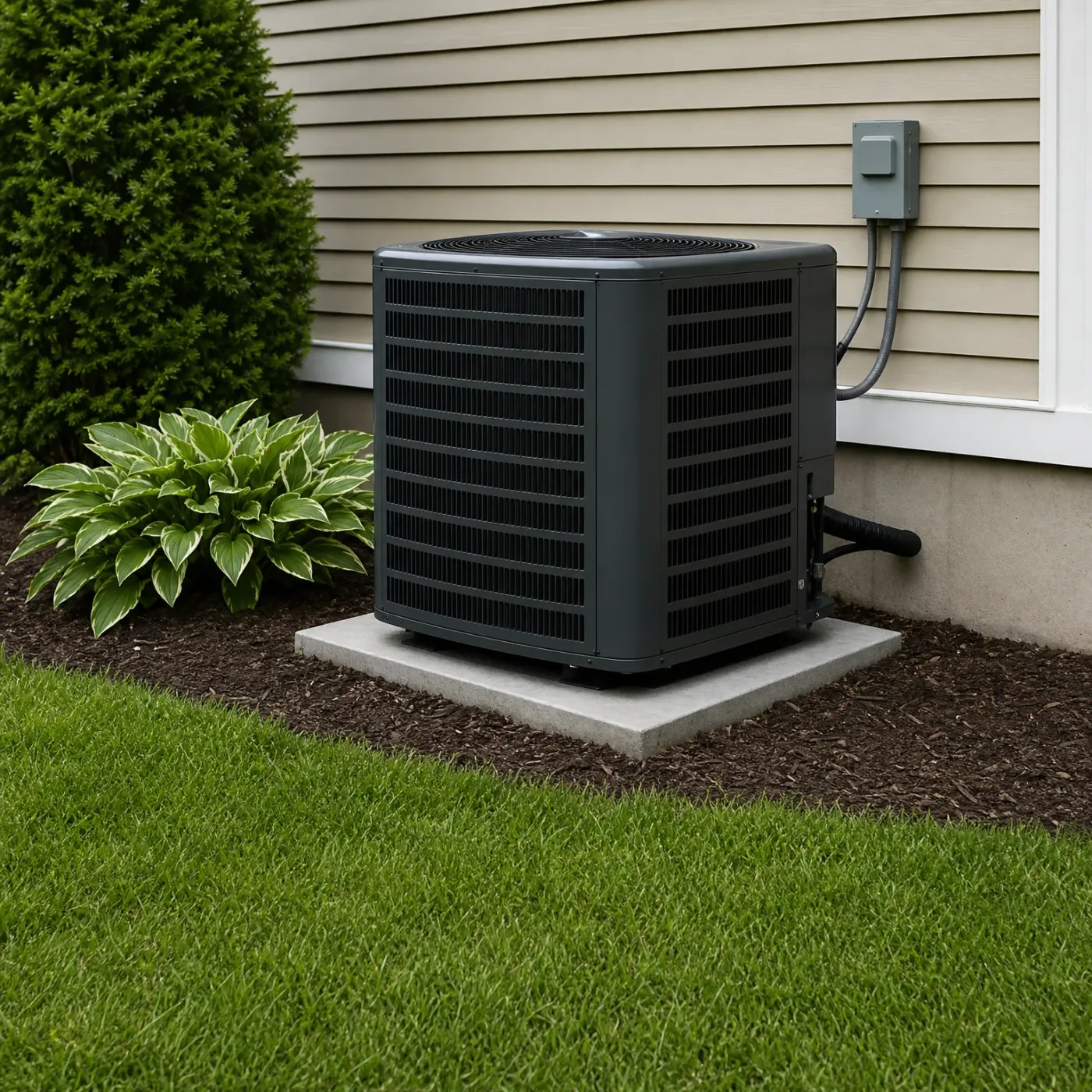
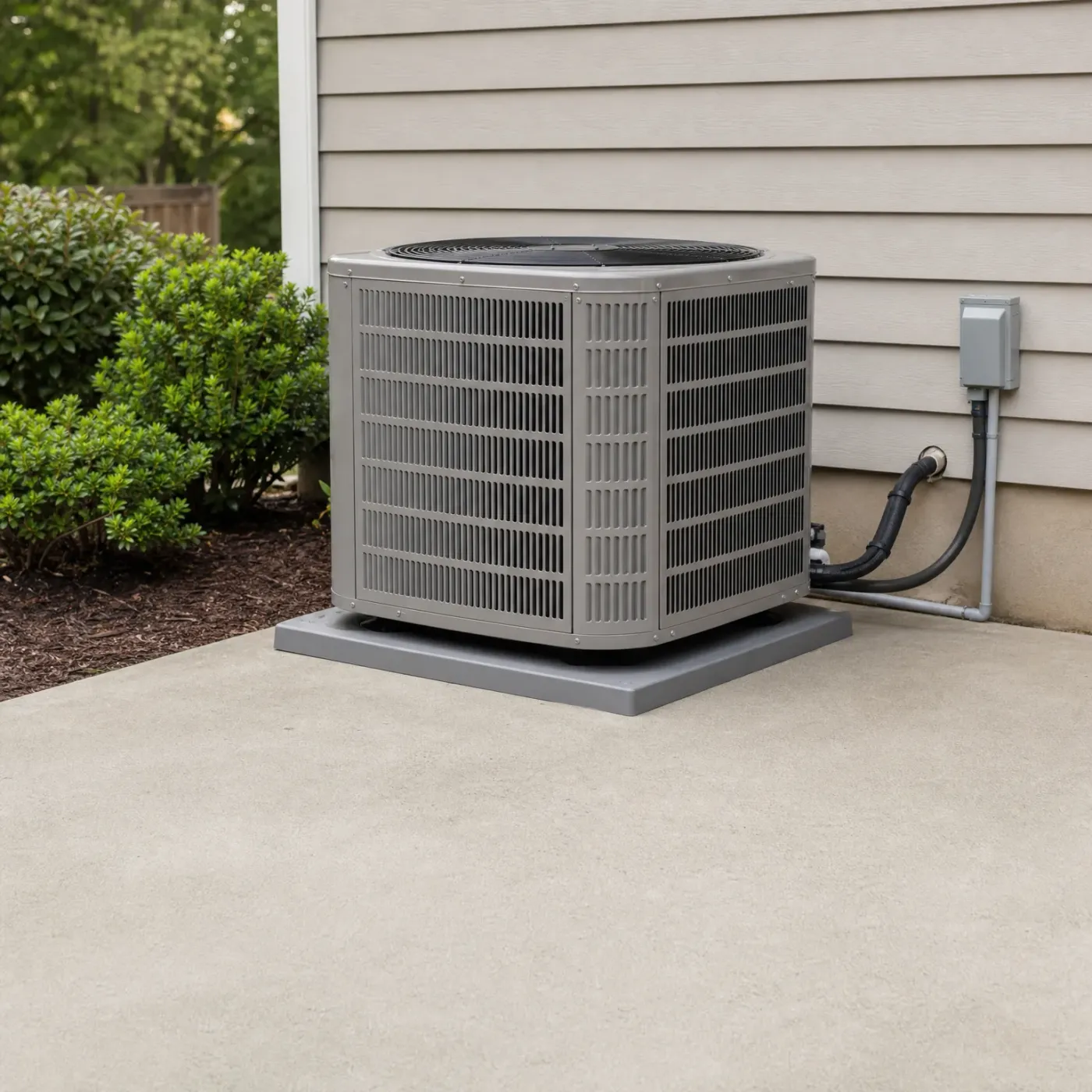
A heat pump works by pulling heat out of the outside air and moving it indoors, even when it's cold out. That takes less electricity than making heat from scratch, which is why it's the cheaper way to run your system most days. The electric strips are the opposite. They work like a giant toaster coil sitting in the air handler, turning electricity straight into heat with no outside air involved. That's why aux heat costs more to run than the heat pump alone.
Your thermostat decides when to call for it. A small gap between the set temperature and the room, a degree or two, the heat pump handles on its own. Push the thermostat up several degrees at once, say you bumped it from 65 to 72 before bed, and the system calls for aux heat to close that gap fast instead of waiting on the heat pump to slowly catch up.
Defrost cycles do the same thing from a different angle. Below freezing, frost builds up on the outdoor coil, and the system has to pause and run in reverse briefly to melt it off. While that's happening, the outdoor unit isn't heating your home, so aux heat steps in to keep warm air moving through the vents.
EM HEAT is a separate setting you control. It tells the system to skip the heat pump and run on strips only, usually because the heat pump itself isn't working.

It's past midnight in July and the thermostat reads five degrees above where you set it. You've been checking it on your phone from bed, not wanting to get up again. The air coming from the vent feels warm instead of cool, and downstairs you can hear the outdoor unit running without stop. Your daughter's door is cracked open; she kicked the sheet off an hour ago. You've already called two companies this week and gotten voicemail, or a callback that led nowhere. You lie there doing the math on how many more nights this can go on before someone actually looks at the thing.
If your heat pump is leaning on aux heat when it shouldn't, that means something in the system is failing to pull heat from outside air the way it's supposed to, and electric strips are picking up the slack at full cost. Finding out why usually means someone looking at the outdoor unit, the coils, the defrost cycle, maybe the refrigerant charge. You could call around Tennessee for a few quotes, explain the AUX light and the warm air and the high bill to each one, then wait for callbacks and sort through what they tell you. Or this request goes to one licensed contractor local to you, someone who works on heat pumps all winter and has a good sense of what tends to go wrong when aux heat won't quit. You're not fielding calls from five different companies trying to win the job. You get a conversation with the one who's coming, and you can stop watching that light stay lit and start finding out what it's going to take to fix.
Calling around for quotes means explaining the same AUX light and the same noise from the outdoor unit to three different companies, then comparing what each one says is wrong. A local contractor who services heat pumps all season already knows that a system leaning on aux heat in the 40s and 50s usually points to the outdoor coil, the reversing valve, or a refrigerant charge that dropped. One visit gets you an answer instead of three guesses.
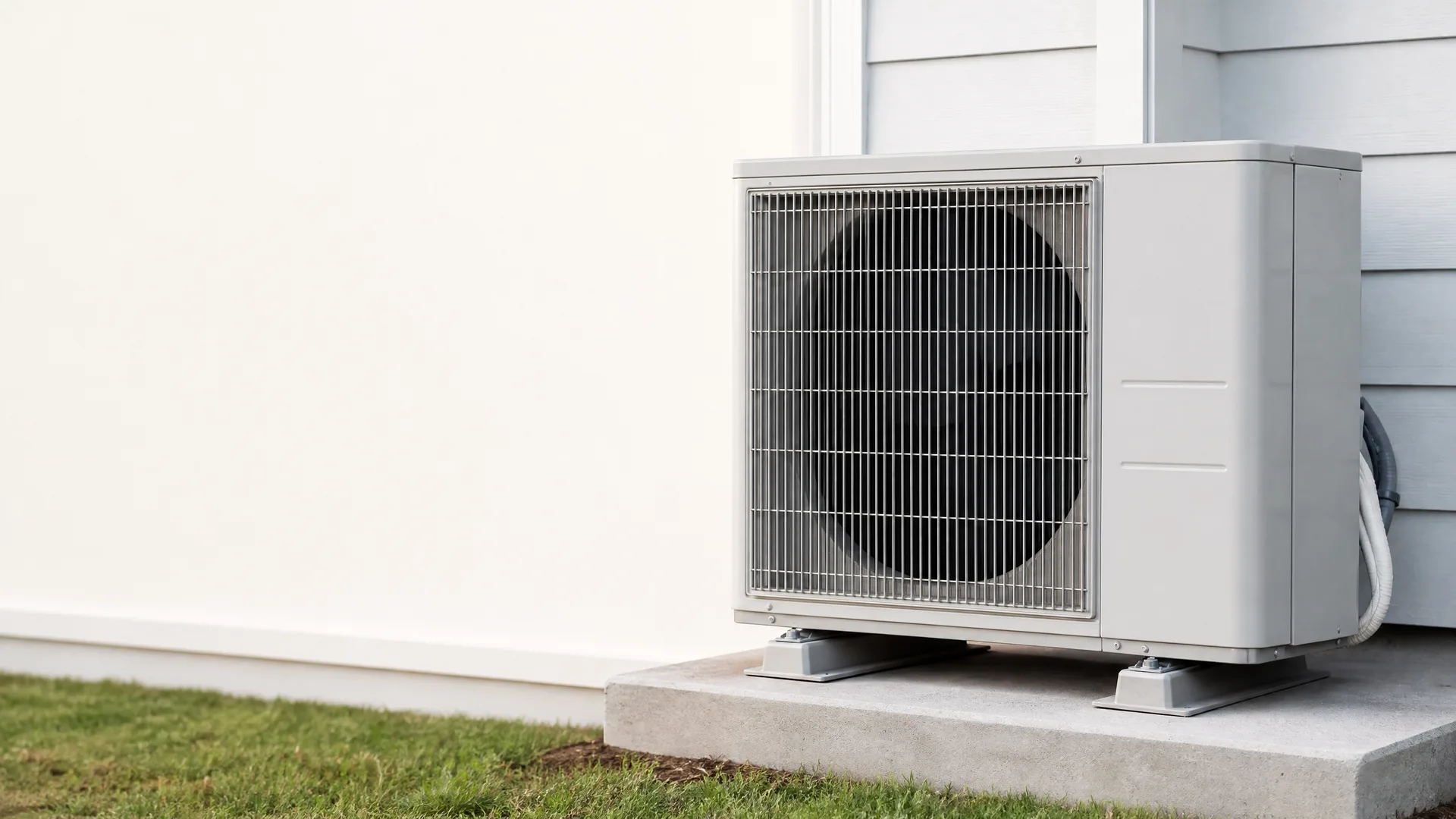
Once the heat pump is repaired, the outdoor unit does the work it's built for, and the electric strips sit idle except on the coldest mornings. Power here is cheap, but strip heat still costs more to run than the heat pump pulling warmth from outside air. You stop watching the thermostat from bed wondering why it won't catch up, and the AUX light goes back to meaning what it should: a brief assist, not the whole job.
You turn the thermostat up a few degrees on a cold morning and the AUX light comes on right away. It feels like the heat pump gave up before it even tried. You're wondering why it doesn't just run longer or harder to catch up, instead of switching over to the electric strips.
A heat pump moves a fixed amount of heat per minute from the outside air. It doesn't have a higher gear. When you raise the thermostat several degrees at once, the thermostat does the math on how long the heat pump alone would take to close that gap, and if it's too slow, it calls for aux heat to speed things up. The electric strips make heat directly instead of moving it, so they close the gap faster, just at a higher cost per degree. That's why a big jump on the thermostat trips aux heat and a one or two degree nudge usually doesn't. The heat pump isn't struggling in that case. It's being told to hurry.
Summer humidity here isn't just about the AC. Averaged across June, July and August, the dew point in Tennessee runs 66°F, according to NOAA climate normals, and that sticky air works the same system that gives you aux heat in winter. The heat pump has to pull moisture out along with the heat, and in a heat pump that's wearing down, that extra load can show up later as weak heat in December, since the same coils and refrigerant charge handle both jobs. A unit struggling to dry the air in July is worth a second look before the aux light starts staying on in the cold.
NASA POWER T2MDEW county cells weighted by homes


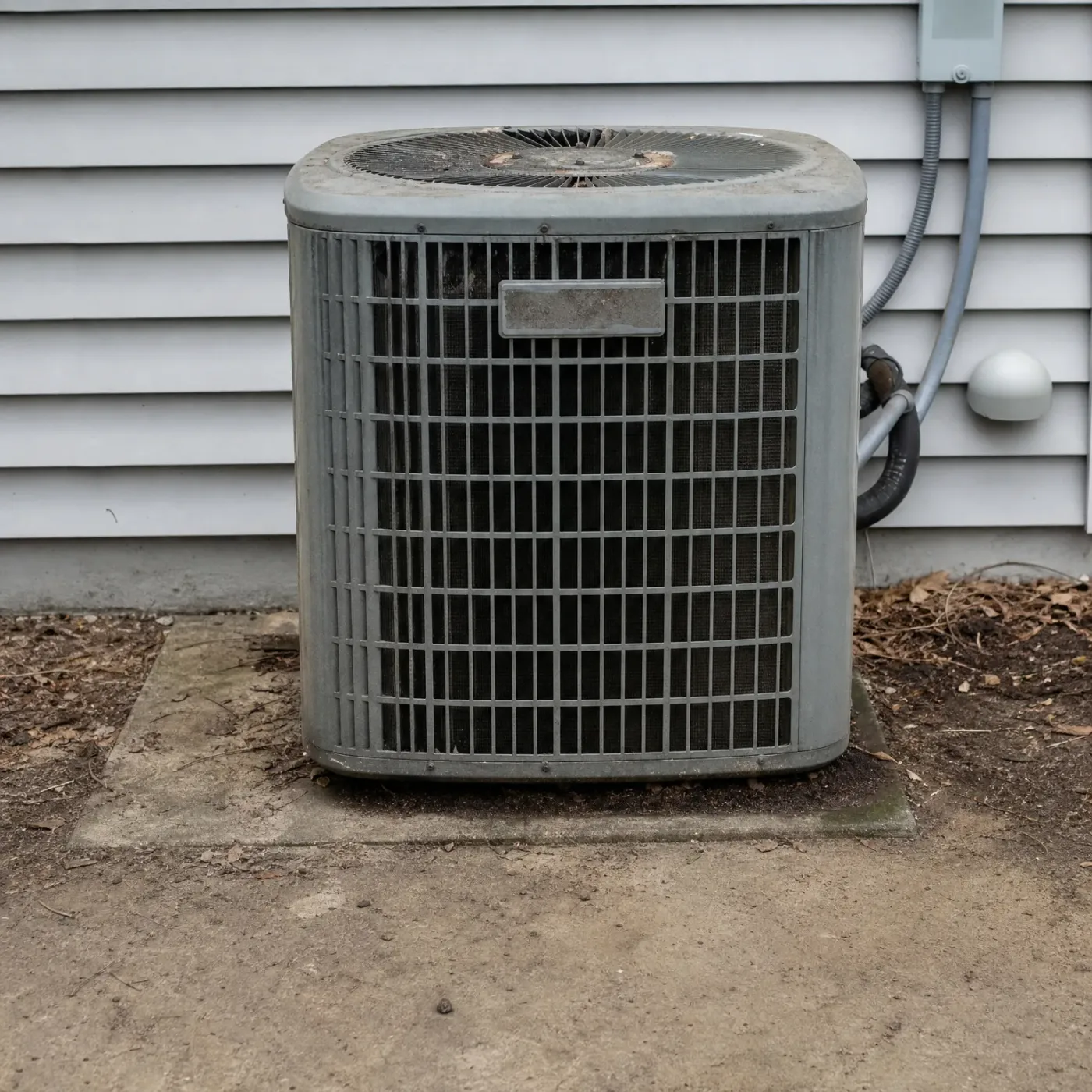
This is a heat pump pulling heat from the outside air, same as always. The coil stays clean, the fins stay clear, and aux heat only steps in for a few minutes on the coldest mornings. You won't notice it running most days.
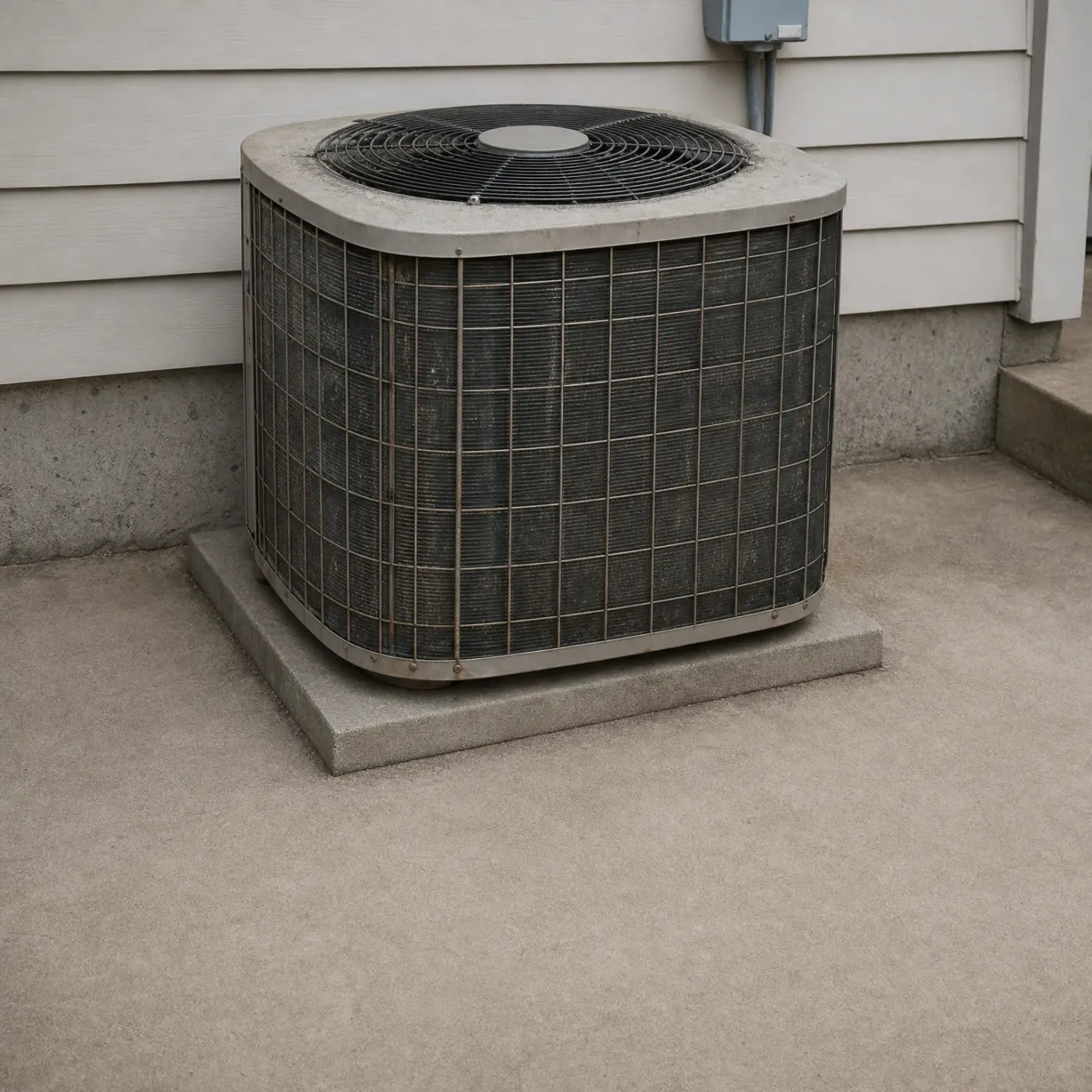
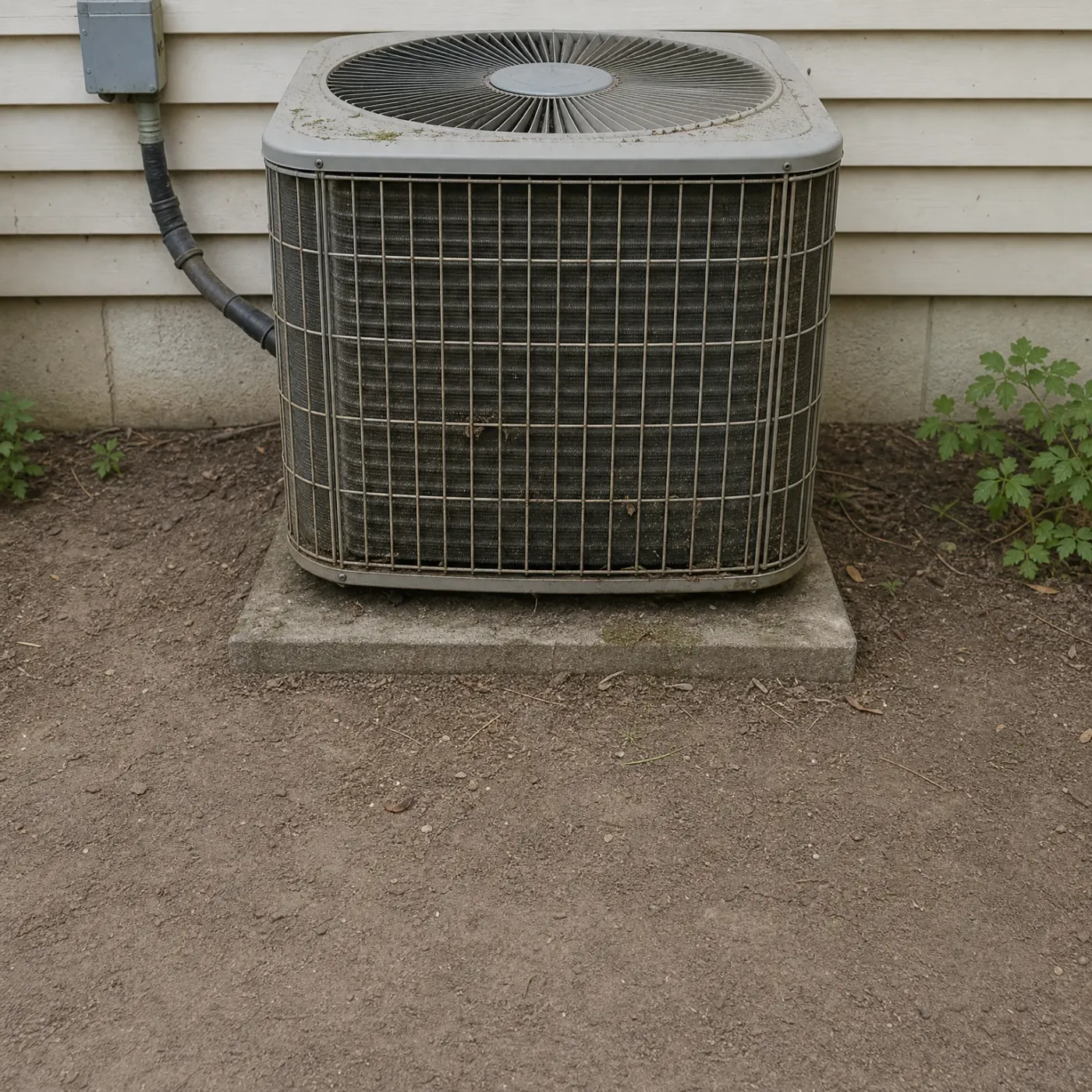
Dust and debris packed into the fins like this block the coil from doing its job. The heat pump can't pull enough heat from outside air, so the electric strips take over and stay on far longer than they should.
At 13.22 cents a kilowatt-hour, those electric strips cost real money every hour they run. A heat pump that's pulling heat from outside air is cheap to run on that rate. One stuck on aux heat for hours is burning watts directly, and you'll see it on the next bill.
EIA-861 2025 statewide residential average

A little aux heat on a cold morning is normal. Hours of it while it's only in the 40s or 50s outside means your heat pump isn't pulling heat the way it should, and something, a dirty coil, a failing part, a low charge, is making the strips carry the load instead. That's not a thermostat setting you can fix. It's a repair.
You already know what it's like to search for someone to look at it, call a few companies, explain the AUX light and the noise from the outdoor unit each time, then sort through different answers about what's wrong. One licensed contractor who services heat pumps all over Tennessee all season can look at yours, tell you what's actually failing, and get it back to running the way it's supposed to, pulling heat from the outside air instead of burning watts straight through the strips.


Asking costs nothing, and the choice to hire stays yours.
A heat pump stuck on aux heat doesn't fix itself once the cold snap passes. The strips keep carrying the load every cold morning until someone finds why the system won't pull heat from outside air, and the kilowatt-hours keep adding up on the meter while you wait.