What emergency heat means on a Tennessee heat pump

Step 1 of 3: Equipment

Emergency heat is a backup setting on your thermostat that switches your heat pump off and runs electric resistance heat strips instead. You flip it on when the outdoor unit can't do its job, usually because it's frozen over with ice that isn't clearing, or because it's stopped running and you need heat while you wait on a repair. Your heat pump moves heat from the outside air, so in a hard freeze it can ice up and needs to defrost itself every so often. Some frost is normal. If it stays coated in ice, or the outdoor fan isn't spinning, or the unit is dead quiet when it should be running, that's when emergency heat earns its name. It's not a comfort setting and it's not meant to run for days. It costs more to run than your heat pump, since it skips the heat pump entirely and heats with electricity alone. Leave it on only as long as the outdoor unit is down.

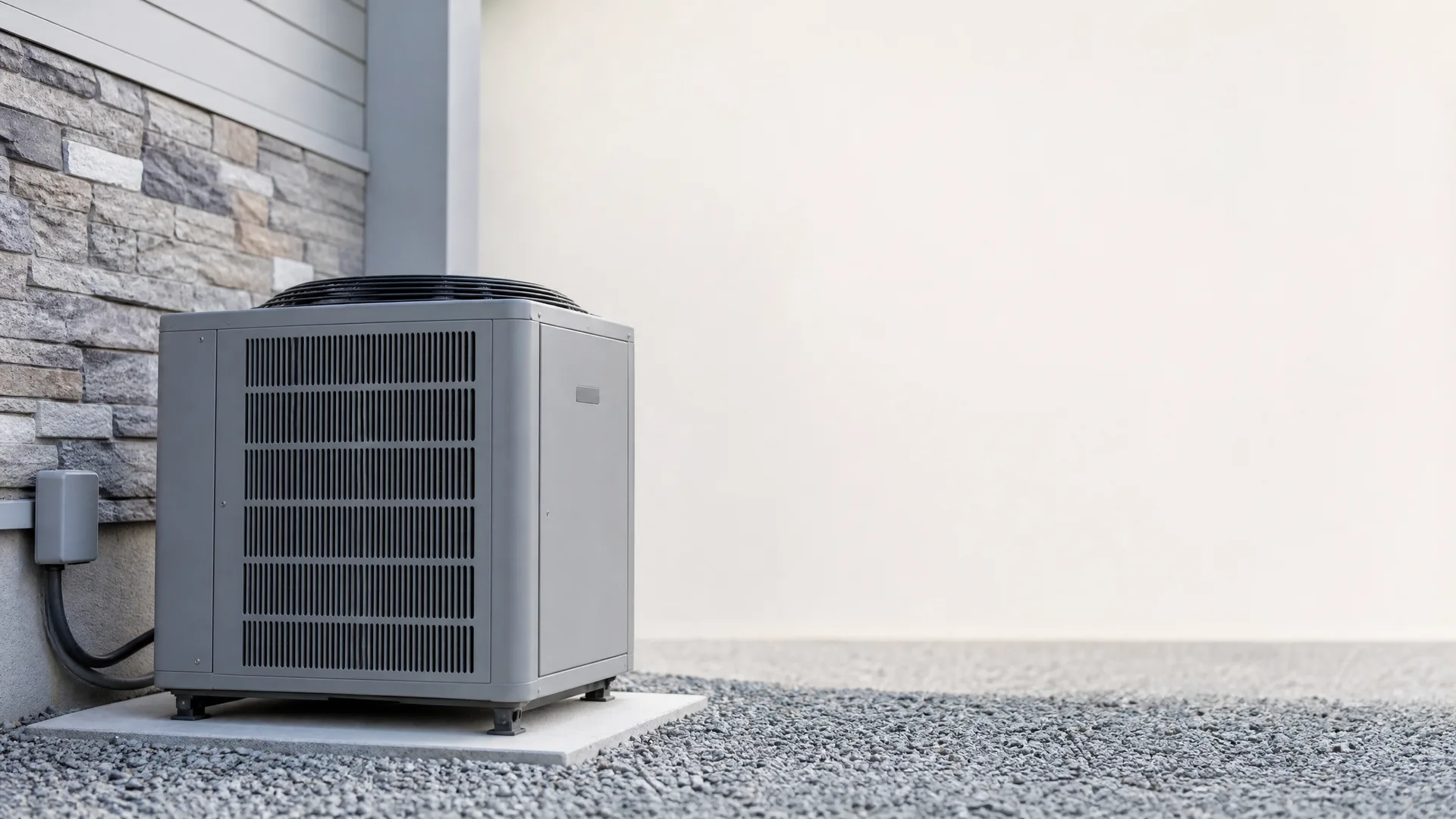
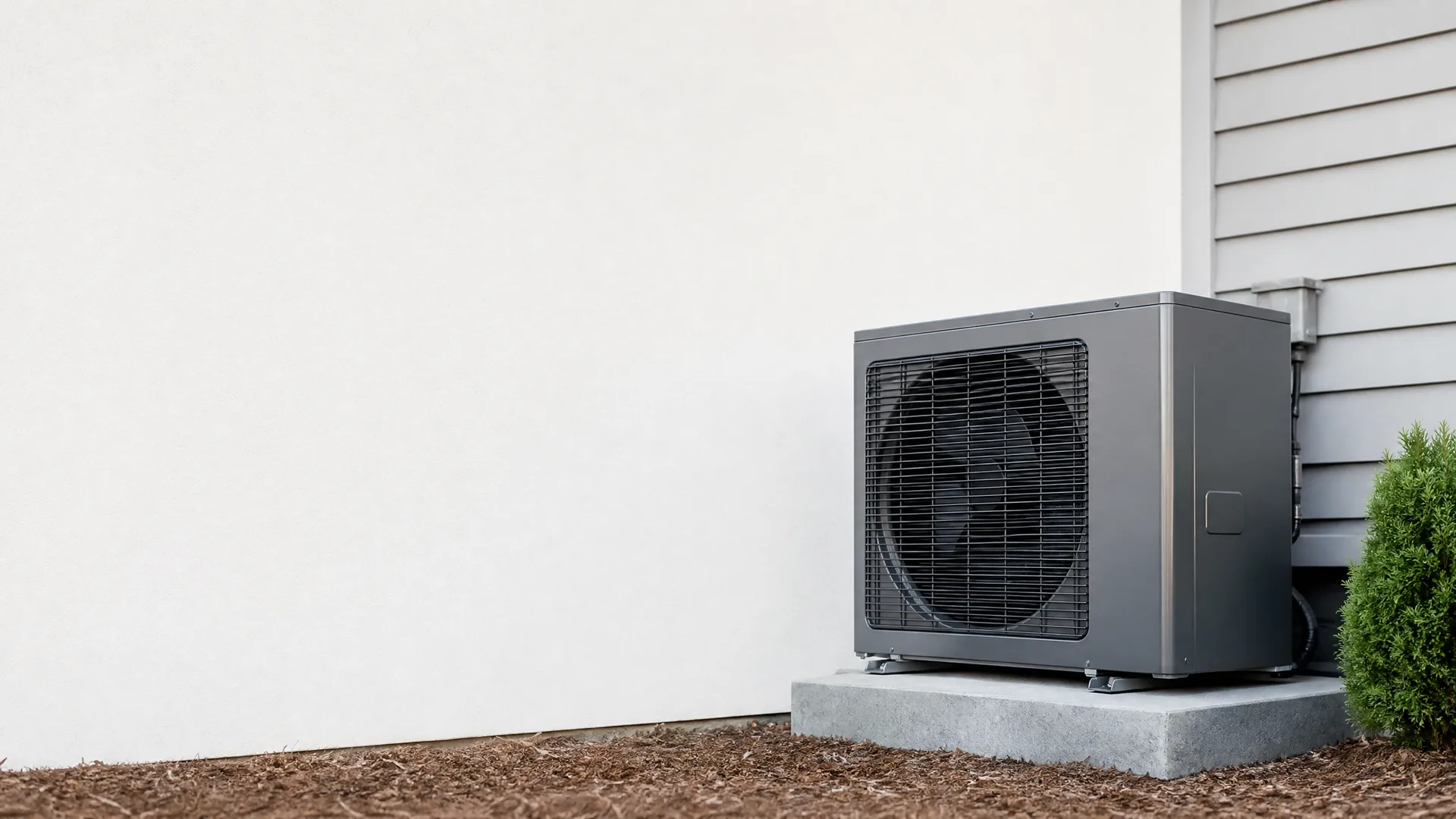
A gray outdoor condenser unit on a concrete pad beside a house with stacked stone and horizontal siding, surrounded by gray gravel and a plain light wall.

Why the outdoor unit freezes

Your heat pump pulls heat out of the outside air even when it's cold out, and that process can leave frost on the outdoor coil. Normally the system reverses itself for a few minutes every so often, melts that frost off, and goes back to heating. If the defrost cycle stops working, ice builds up and stays. Once ice covers the coil, the unit can't pull in any more heat, and that's when emergency heat becomes the only way to keep the house warm.

A dark gray outdoor heat pump unit sits on a concrete pad beside a white stucco wall and lap-sided house corner, with mulch and a small shrub in the foreground.

What the heat strips actually do

Flip the switch to emergency heat and the outdoor unit shuts off entirely. A set of electric resistance heat strips inside the indoor air handler takes over, the same kind of heating element you'd find in a space heater or an oven. They warm the air directly, with no outside component involved at all. It works, and it'll keep rooms comfortable, but those strips use a lot more electricity to produce the same heat your heat pump makes by moving it rather than generating it.

Why is your heat pump stuck on emergency heat?

You'll notice the outdoor unit isn't running at all, even though the house is warming up. The air coming out of your vents feels hotter than usual, because strip heat burns hotter than a heat pump normally delivers. If you walk outside, the unit itself may be coated in a solid sheet of ice rather than the light frost that clears on its own. Left stuck on emergency heat through a cold stretch, you're heating the house entirely on electric strips, which pull a lot more power than the heat pump compressor they're replacing. A thermostat left in that mode by mistake, or a defrost problem that never gets looked at, can turn into a much higher bill before anyone catches it.

A dark bedroom with an unmade bed and pillows beside a curtained window showing rain-streaked glass and palm foliage outside.

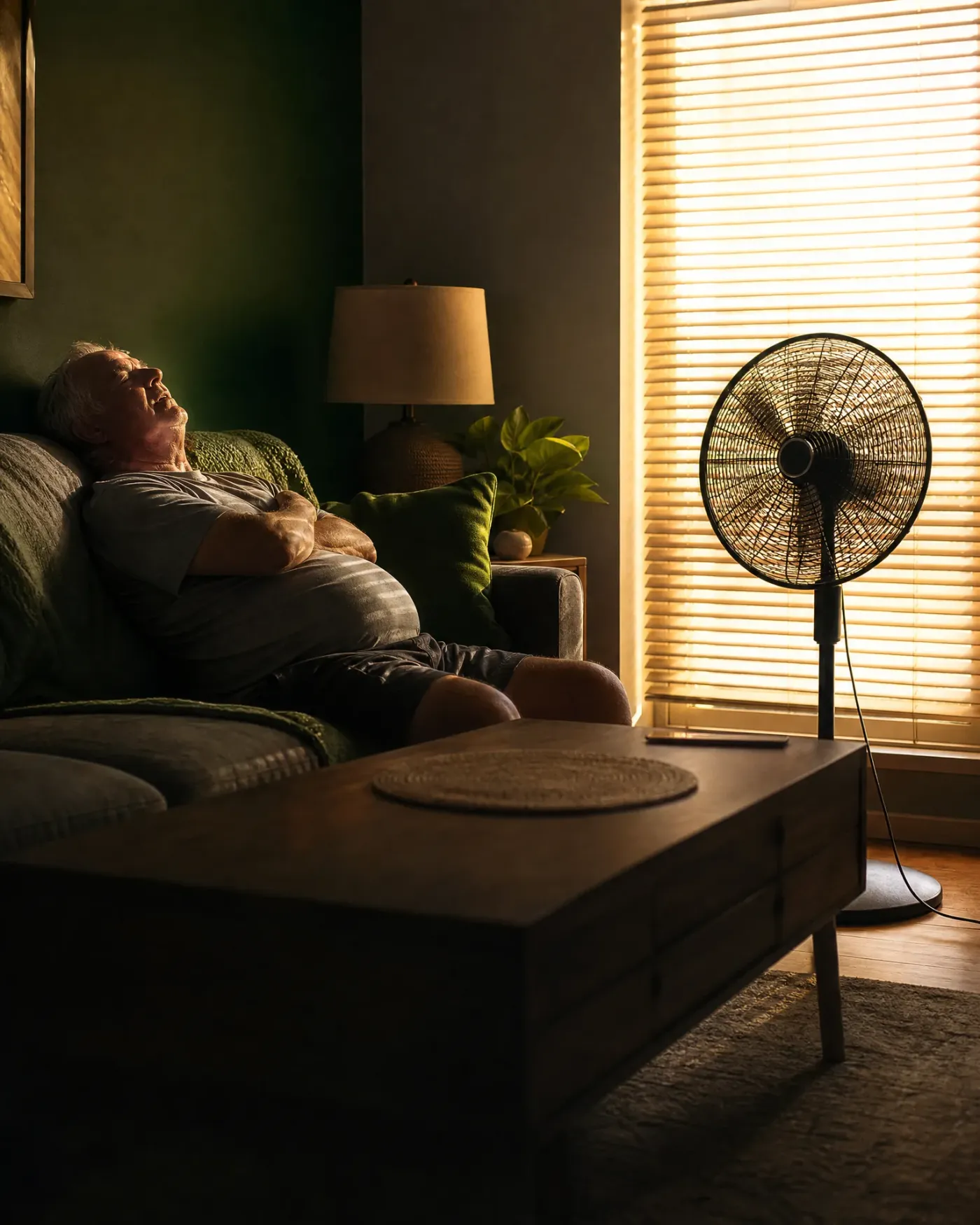
It's January, past eleven, and the house has gone quiet except for the vents ticking. You're in the bedroom under the good blanket, the one you pulled out when the nights started dropping into the 20s. The thermostat light glows down the hall, set where it always is. But the air coming up isn't warm the way it should be, just a thin stream that doesn't reach the bed. You push a hand under the sheets to check. Cool. Outside, through the window, the outdoor unit sits dark and still, no hum, no fan turning. You already know a local contractor is going to need to look at that coil before this gets colder.

A pro who works on heat pumps

Your request stays with one local pro.

You only hire the pro if you want to.

Running it overnight on purpose

If you flip to emergency heat because the outdoor unit is iced over and the defrost cycle isn't clearing it, running it for a night while you wait on a contractor is reasonable. The strips will keep the house warm and your heat pump isn't doing anything to make the ice worse while it's off. Tennessee power is cheap enough that a night or two on strip heat won't wreck your bill. The point is you know why you're on it, and you know it's temporary until someone looks at the outdoor unit.


Leaving it on and forgetting

The trouble starts when emergency heat quietly becomes the normal setting. Electric resistance heat costs more to run than your heat pump, and a week or two on strips instead of a night will show up on your bill. It also means whatever put the heat pump out of service, a bad defrost board, a stuck reversing valve, a failed sensor, is still broken and not getting fixed. A local contractor who works on heat pumps all winter can usually tell you what failed once they see which symptoms led you to flip that switch.

A woman in a cream cowl-neck sweater sits by a window with snow outside, in a dimly lit living room with a sofa, lit lamp, mirror, candles and a fireplace.
A woman in a gray turtleneck sweater sits beside a large window looking out at snow-covered evergreen trees, in a dimly lit living room with a lit fireplace, lamps, couch and houseplant.
A woman in a cream turtleneck sweater stands beside a large window with snow-covered ground and bare trees outside, in a dimly lit living room with lamps, a sofa and framed art.
A woman in a grey cowl-neck sweater stands indoors near a window, looking out at falling snow, with a lamp, framed picture and couch in the warmly lit room behind her.

Heat pump running normally

The outdoor unit cycles on and off with the house, and the air from your vents feels warm, not hot. This is what your system should be doing most of the winter.

Find a local pro

Stuck on emergency heat

The outdoor unit stays off no matter how cold it gets outside, and the strips carry the whole load. It'll keep the house warm, but it's not how the system is meant to run for long.

Find a local pro
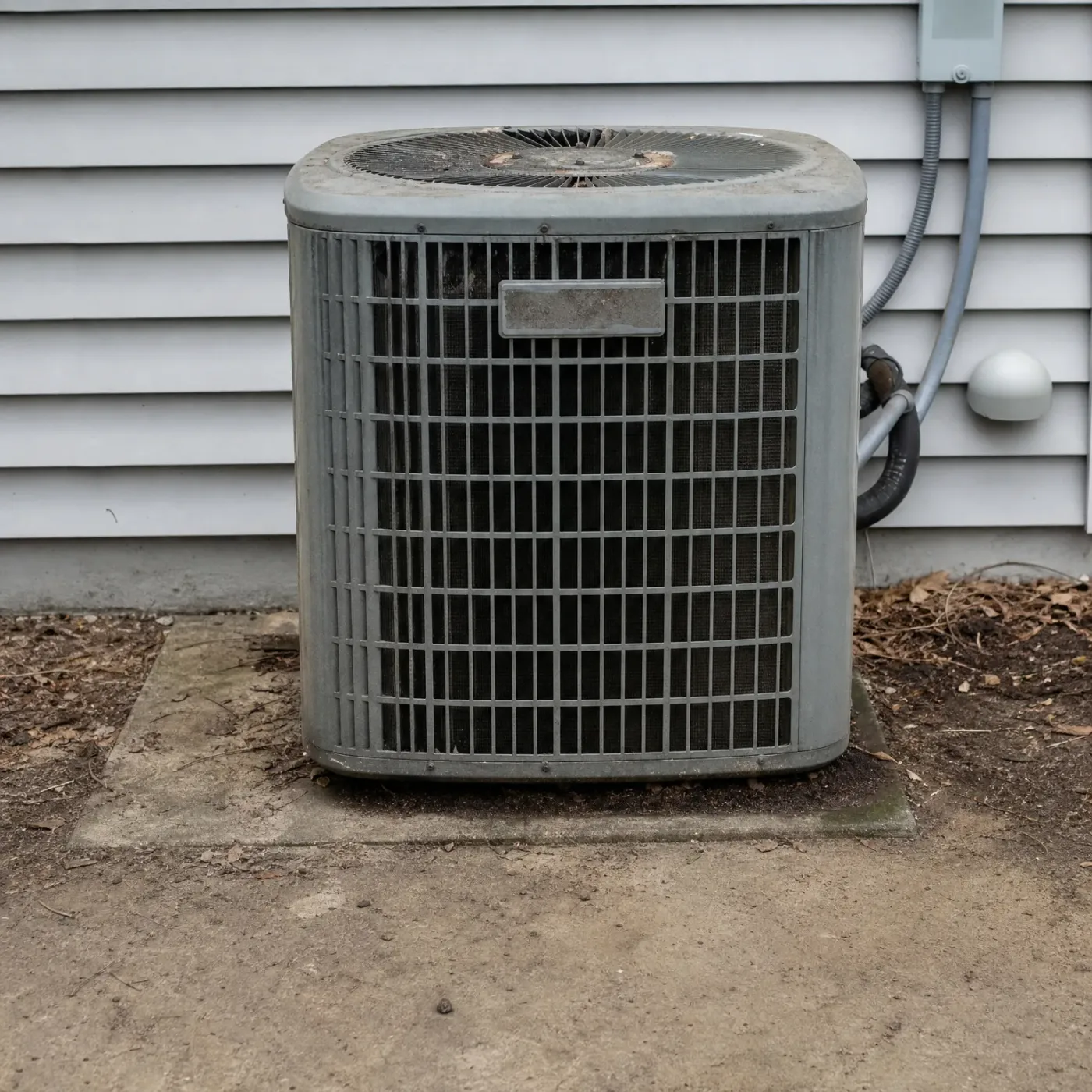
A weathered gray outdoor condenser unit on a concrete pad beside a house with horizontal vinyl siding, with conduit, refrigerant lines, and an electrical disconnect box on the wall behind it.
Before you get your heat pump repair
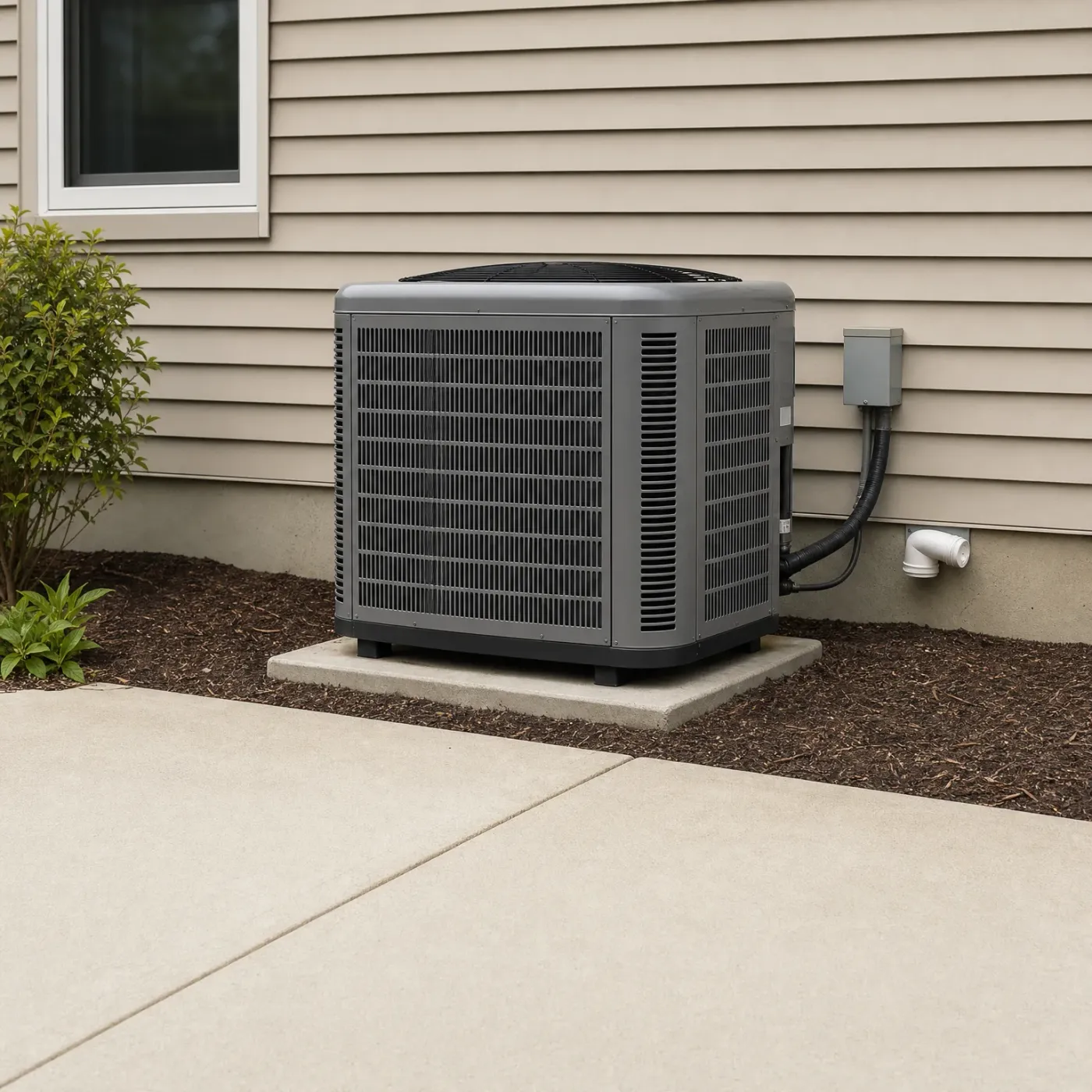
A gray outdoor condenser unit on a concrete pad beside a beige vinyl-sided house, with a wall-mounted disconnect box, flexible conduit, mulch bed, shrubs and a concrete walkway in front.
After you get your heat pump repair

Emergency heat costs more to run, because electric resistance strips use more power than the heat pump's normal cycle to put out the same warmth.

Tennessee power is cheap enough that a night or two on strip heat while you wait on a contractor won't hit your bill hard. Left on for weeks, it will.

A bearded man in a plaid flannel shirt stands indoors looking out a frost-covered window, with a steaming dark blue mug on the wooden sill and snow-covered trees outside.
A man in a blue T-shirt sits on a light gray sofa, laughing while looking at an open laptop in the foreground, with a framed picture, lamp and potted plant behind him.
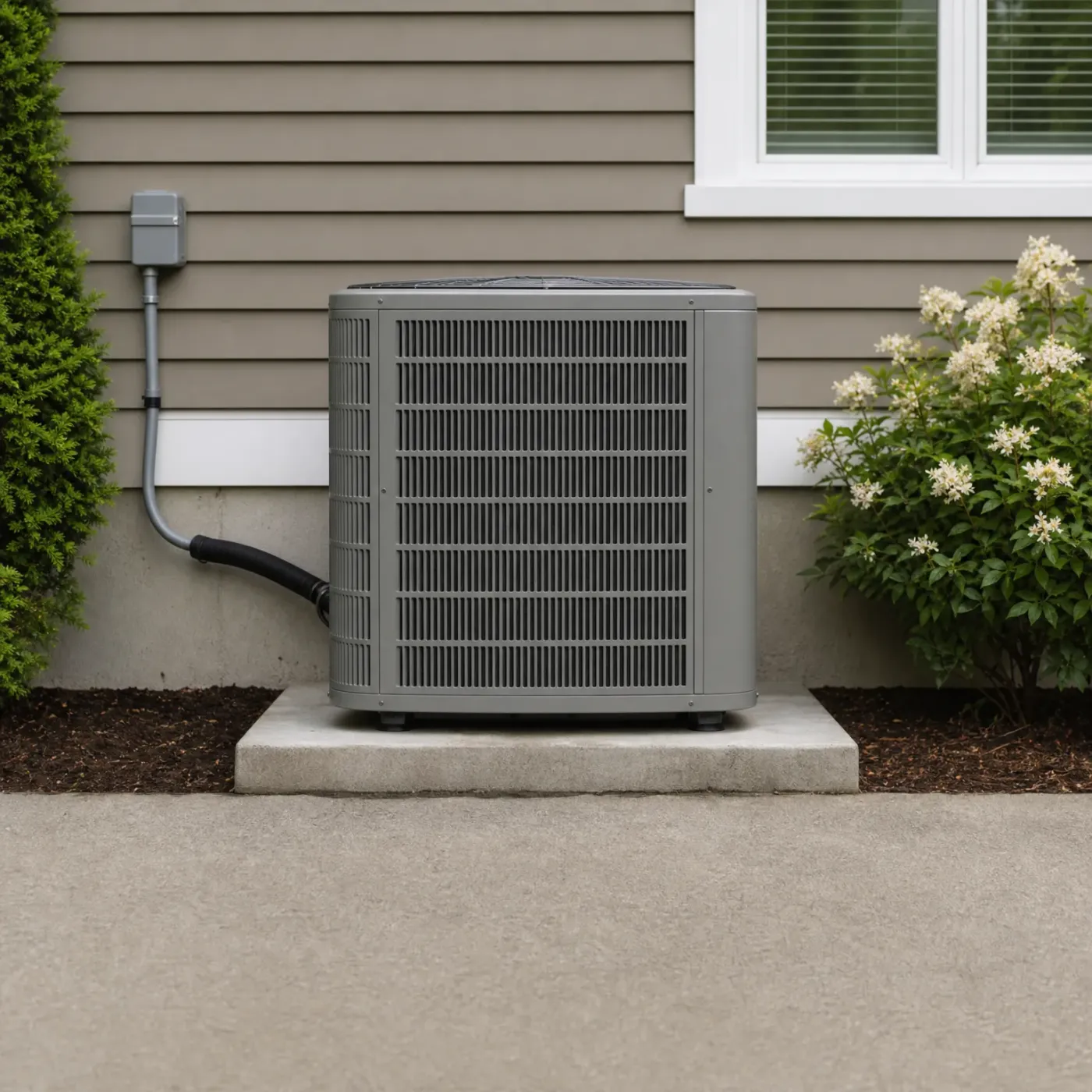
A gray outdoor condenser unit on a concrete pad beside a house with horizontal lap siding, a conduit and disconnect box on the wall, a shrub with white flowers at right and evergreen foliage at left.
The outdoor unit cycles on its own, defrosts itself when it needs to, and the air from your vents stays warm, not hot.
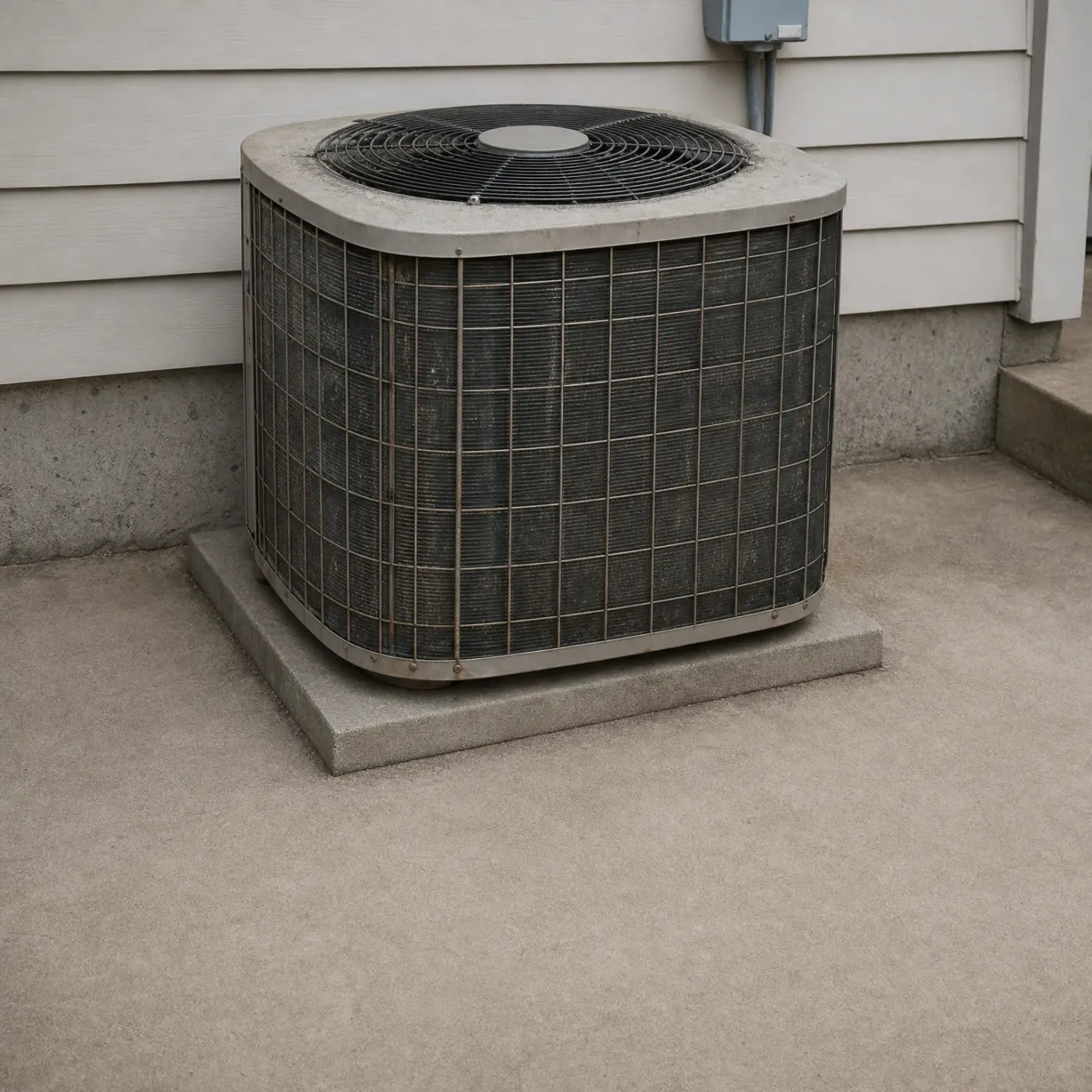
An outdoor air conditioning condenser unit with a top fan grille sits on a concrete pad beside a house with horizontal siding and a concrete step.
Frost has built up on the coil and fins and stayed there, which is what pushes the system into emergency heat in the first place.

Power costs 13.22 cents per kilowatt-hour statewide

At 13.22 cents per kilowatt-hour, a night on emergency heat won't wreck your bill. Leave it running while you wait on a contractor to look at that frozen coil, and fix the real problem once they're out, instead of shutting the heat off to save a few dollars.

EIA-861 2025 statewide residential average

Where this leaves you

  • Emergency heat is a backup setting, not a sign your heat pump is done for, and it usually points to a frozen outdoor coil.
  • Flipping the switch to get through a night is fine, but the coil still needs a contractor's eyes on it after.
  • A licensed, local contractor who works on heat pumps all winter has seen this exact frozen-coil problem before and knows where to look first.
  • Getting matched with one contractor instead of several means one visit, one diagnosis, and no juggling calls from companies you didn't ask for.
  • The outdoor unit cycling on its own again, with warm air instead of hot, is how you'll know the repair held.

Emergency heat did its job if it kept the house warm while you waited. It's not a verdict on your system, just a switch that tells it to stop leaning on a frozen outdoor coil and run the strips instead. That's the whole answer to what it means. What's left is getting the coil looked at, because the switch doesn't fix anything by itself, it just buys you time.

That's where a contractor who works on heat pumps all winter earns their keep. They've seen this exact call before, the one where the outdoor unit won't run and the vents are blowing hotter than usual, and they know a frozen coil is almost always the reason. They'll check the defrost cycle, the sensors that tell it when to kick in, and whatever's keeping frost from clearing on its own. Someone local who's already out on these units every cold snap isn't guessing where to start.

You'll get matched with one contractor, not a handful, so it's one visit and one diagnosis instead of sorting through calls from companies you never reached out to. Once the repair holds, you'll see it: the outdoor unit cycling on and off again like it should, the air from your vents warm instead of hot, and the thermostat off emergency heat for good. That's the system working the way it was built to, not running the backup every night because the real problem never got looked at.

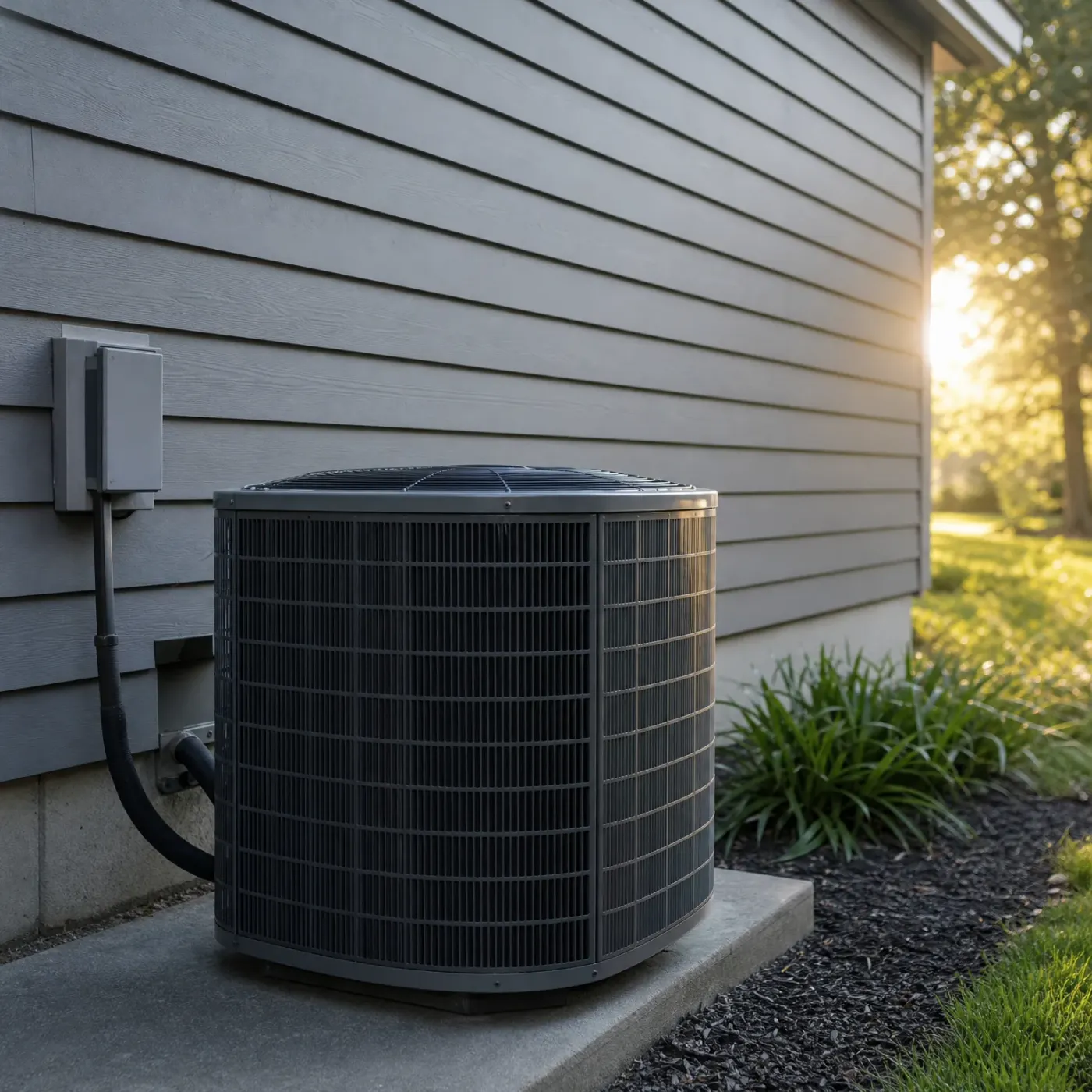
An outdoor air conditioner condenser unit on a concrete pad beside a gray horizontal-lap-sided house, with an electrical disconnect box and refrigerant line on the wall, grass, shrubs and a tree with low sun behind.

The right pro for this job

Get a licensed local pro

The pro who reaches out is licensed in Tennessee.

No fee to send it, and nothing to sign.