What size heat pump a Tennessee home needs
What size heat pump do I need for my house in Tennessee?
A heat pump that's too big or too small shows up fast in Tennessee, where the unit has to carry both the muggy summers and most of the winter heating load. You want a number before a contractor shows up, something to check their answer against. It isn't a size printed on a chart by square footage alone, and that's usually where the confusion starts.
It depends on a load calculation, not square footage
The right size comes from a Manual J load calculation, which weighs your square footage against your insulation, your windows, how much shade the house gets, and your ceiling height. Two houses the same size can need different tons of capacity. Tennessee's humid summers make this matter more than it would in a dry climate, since a heat pump sized too big cools the air fast but doesn't run long enough to pull the moisture out, leaving the house cold and clammy. Undersized, and it runs flat out all summer and still falls behind on the coldest winter mornings when it's doing most of your heating. A contractor who sizes it from the load calculation, not a chart, is the one to trust.
Why oversizing hurts here
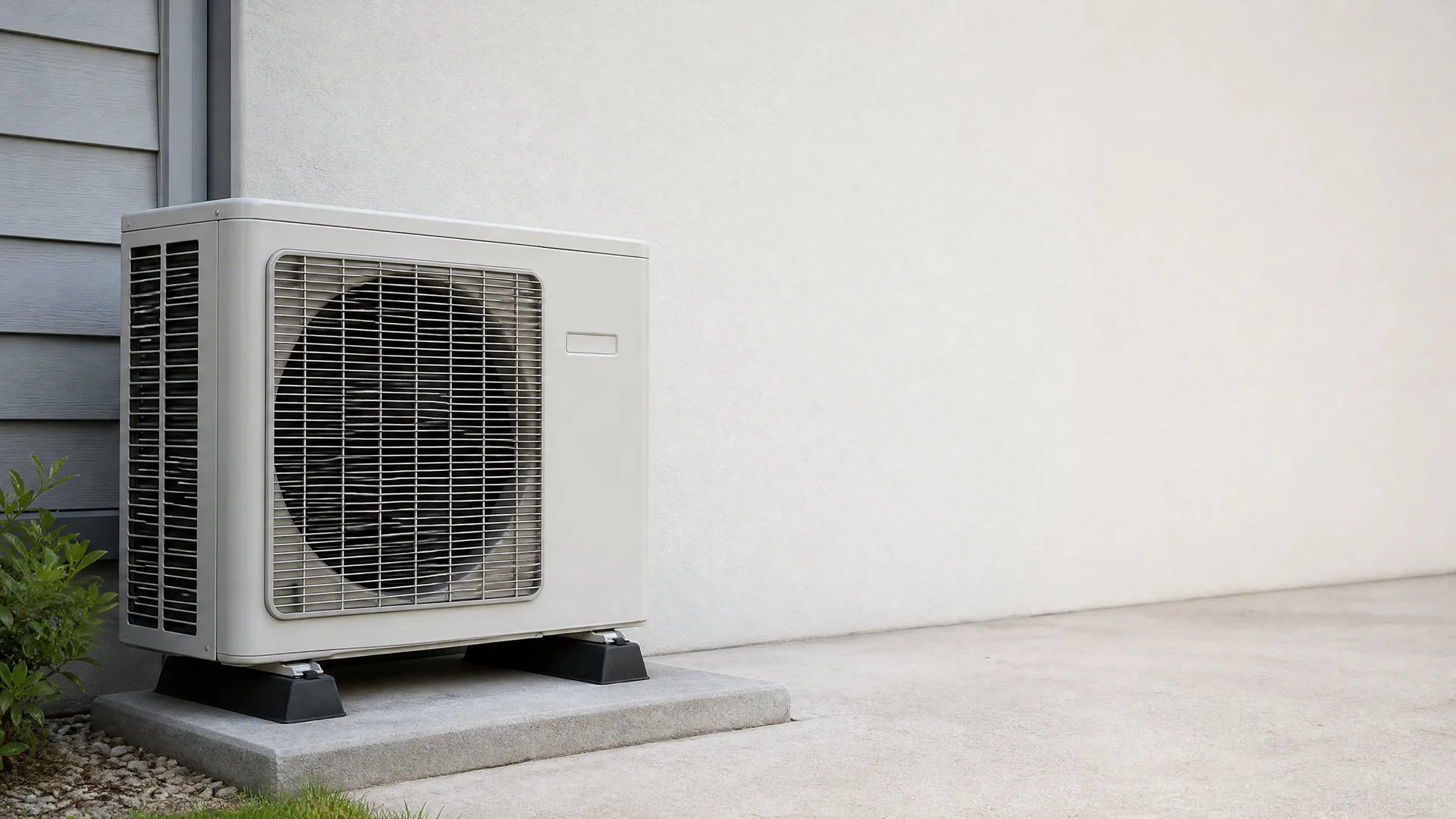
A heat pump sized too big cools the air fast but shuts off before it pulls the moisture out, so the house feels clammy even at the set temperature. In a Tennessee summer, that cycle repeats all day. The unit short cycles, the compressor wears sooner, and the indoor air stays sticky. A correctly sized system runs longer, steadier cycles that actually dry the air while it cools it.
Why the load calc matters
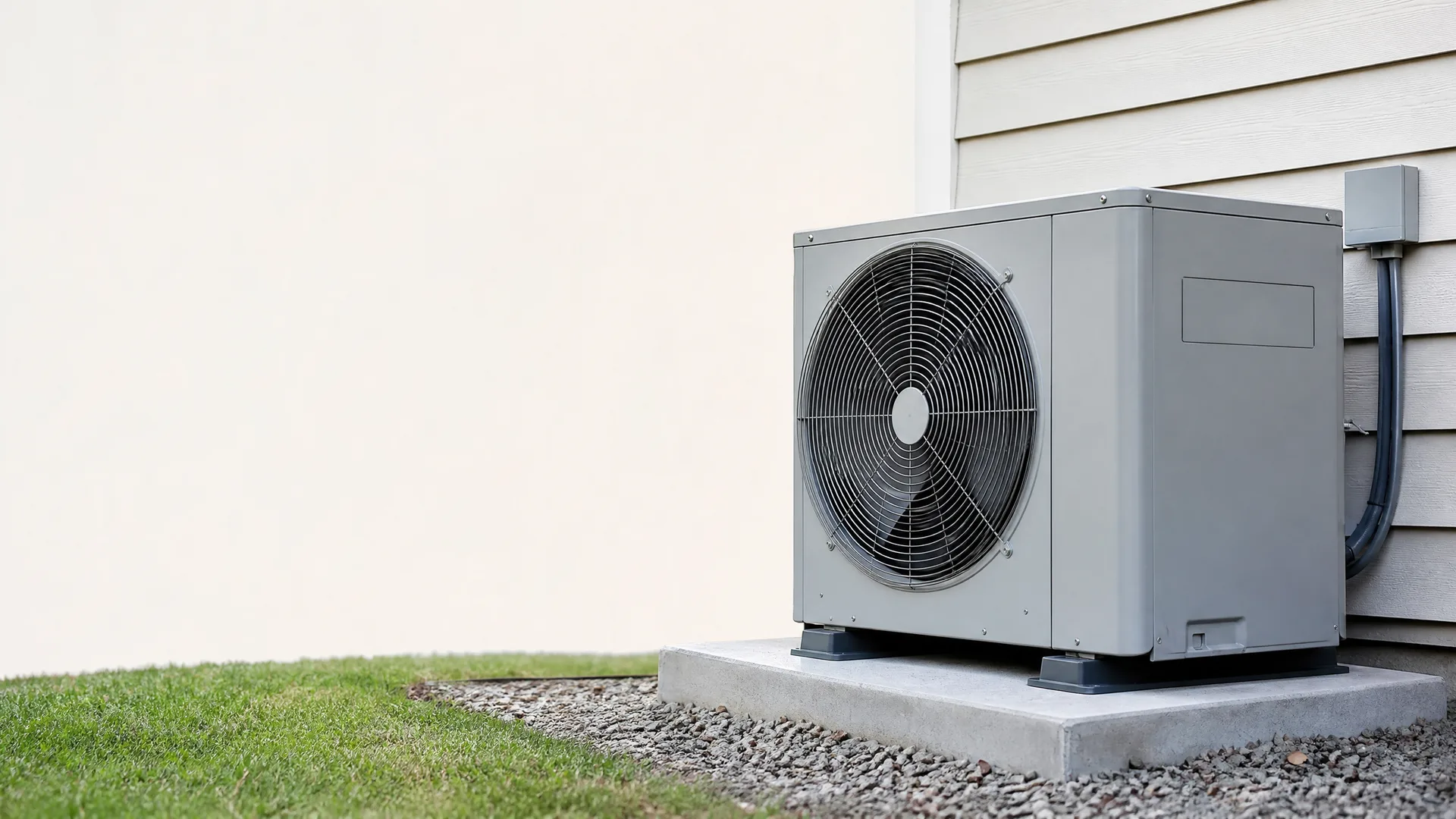
Square footage alone doesn't size a heat pump. A contractor runs a load calculation that accounts for insulation, window area, ceiling height, and how much sun a wall gets. Two houses of the same size can need different tonnage. Since most homes here heat with electric heat pumps through the winter too, the calculation has to cover both the summer cooling load and the coldest stretch of winter, not just one season.

What a wrong-sized heat pump does to your house
If your heat pump is too big, you'll feel it in the air itself. Rooms cool quickly but stay damp, and that dampness is what sticky Tennessee summers turn into musty closets and condensation on the windows. Run it through a winter and the pattern flips: short bursts of heat that leave floors cold between cycles. Either way, the equipment is working harder than it should, starting and stopping more than it was built for, and that wear shows up in the unit's lifespan whether or not you ever notice the swings in comfort.
Getting the size right means someone has to actually look at your house, not just your square footage. Insulation, window placement, ceiling height, how many people are home during the day, all of it changes the number. That's the kind of walkthrough a contractor does on site, and it's a different job for every house. Once you send in what you know about yours, a contractor who handles sizing and installation in your area will follow up directly, and from there the sizing question is theirs to work out, not yours.

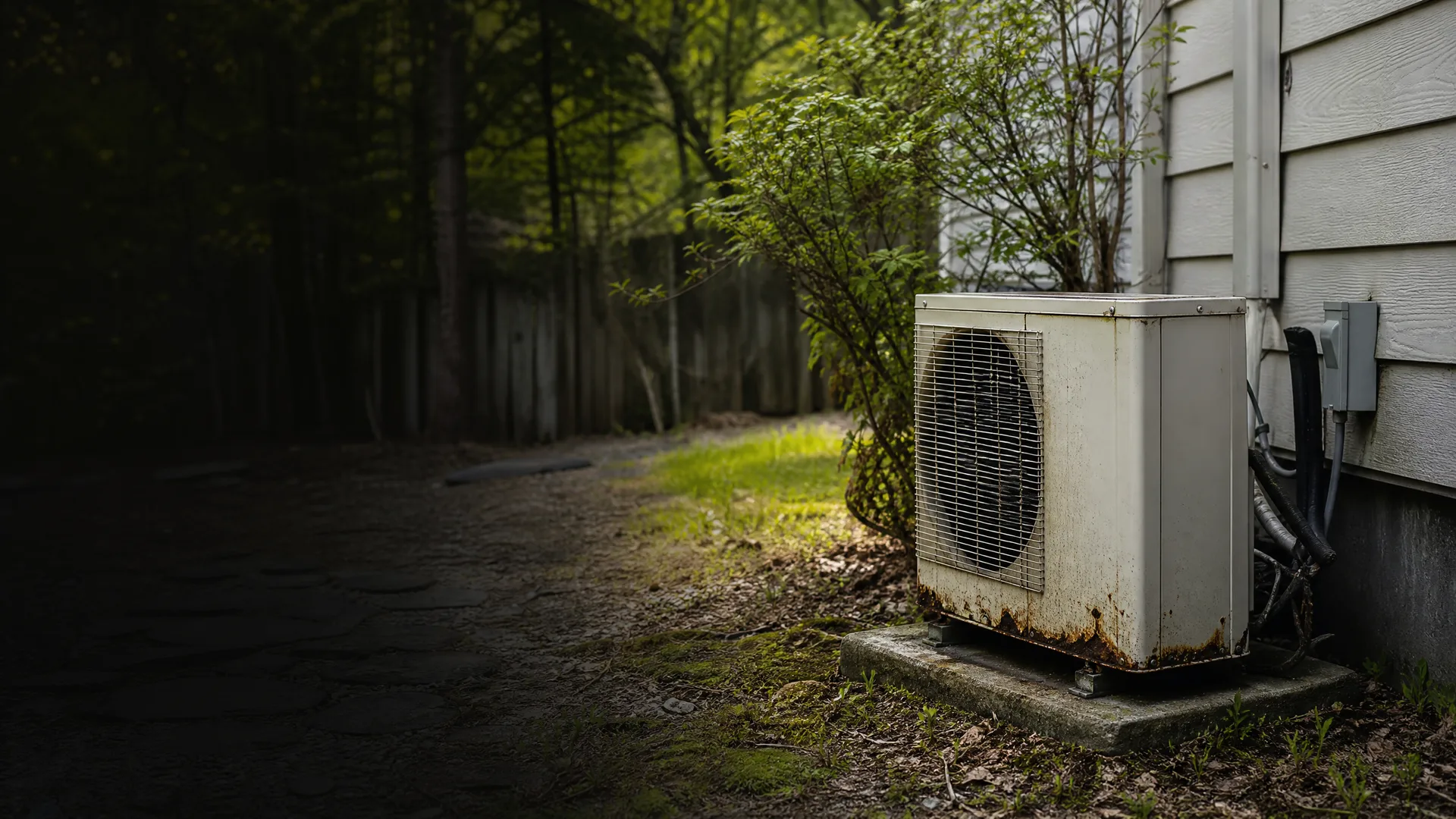
You're out in the side yard in April, coiling the hose up after the first warm weekend, and you catch sight of the unit sitting there against the house. Rust has worked its way along the base, flaking where the metal meets the pad. It's been running fine, so you never looked close. You crouch down and run a thumb along the edge, and a piece of it comes away. You think about how many summers it's carried already, and whether whoever sized it even had your house in mind, or just matched what was there before.
Power costs 13.22 cents per kilowatt-hour statewide
At 13.22 cents a kilowatt-hour, a heat pump that's the wrong size costs you twice. One that's too big cycles on and off all day, and every restart draws more power than it saves. The right size keeps it running steady and keeps your bill closer to what it should be.
EIA-861 2025 statewide residential average




A local pro for your heat pump installation
A correctly sized heat pump matters more in Tennessee than in most places, because the same unit has to handle a muggy summer and carry most of the winter heat too. Get the size wrong in either direction and you pay for it twice over, in comfort and on the power bill. Figuring out the right size means working through square footage, insulation, window placement, and how the house holds up against summer humidity and winter cold, and that's not something to guess at from a chart. A contractor who can look at your house and your ductwork will land on a number that actually fits it. Sending in your information now means that work gets handed to someone who does this for a living, instead of sitting on your list of things to research. You've already got a good enough reason to stop guessing. Let the right person take it from here.
Getting the Size Right
- A Manual J load calculation, not square footage alone, determines the right heat pump size for your house.
- Oversizing cools the air fast but leaves humidity behind, which matters most in Tennessee's muggy summers.
- Undersizing leaves the unit struggling to keep up on the coldest days, since most Tennessee homes rely on the heat pump for winter heat too.
- A correctly sized unit runs longer, steadier cycles instead of short cycling on and off all day.
- Getting the size right the first time avoids paying twice, once in comfort and once on the power bill.
- A contractor who sizes your heat pump correctly accounts for your home's specific layout, insulation and sun exposure, not a generic rule of thumb.
The right size for your heat pump comes from a load calculation on your house, not a chart based on square footage. Two homes of the same size can need different units once you account for insulation, windows and how much sun the walls take on through a Tennessee summer. Skip that step and you end up on one side of the problem or the other. Too big, and the unit cools the air fast but shuts off before it pulls the humidity out, so the house still feels damp even with the thermostat satisfied. Too small, and it falls behind on the coldest mornings, which matters here since most homes run on the heat pump for winter heat as well as summer cooling. Either way, the unit cycles more than it should, and every extra start draws more power without adding comfort. A heat pump sized correctly for your house runs longer, steadier cycles, holds the temperature you set, and keeps the humidity down through the muggy months. It also costs less to run over a year, since steady operation is what keeps a power bill close to what the unit is rated for. None of this shows up on a spec sheet. It comes from someone measuring your house, not guessing at it. That's the difference between a unit that's the right number on paper and one that's actually right for where you live.


Get the right pro for your heat pump
The right heat pump size for your house comes from a Manual J load calculation, not the square footage alone, and it has to account for a Tennessee summer and most of a Tennessee winter. Get a contractor who runs that number before they quote you a unit. Once you send the form, finding that contractor is off your plate. They'll reach out and work from your house, not a guess.
Send it once and finding someone is no longer on you.
It costs nothing to send, and you don't have to hire anyone.