
Why your heat pump has ice on it in a Tennessee winter

Step 1 of 3: Equipment

A layer of ice on your outdoor unit in winter is normal up to a point. Heat pumps pull warmth out of cold air, and moisture in that air freezes on the coil as it does. To clear it, the system reverses itself for a few minutes, runs like an AC to warm the coil, and melts the ice off. You will see steam coming off the unit during this and that is fine. What is not fine is ice that keeps building back thicker, covers the coil solid, or never clears after a defrost cycle finishes. That points to a fan that is not moving right, a low refrigerant charge, or a defrost control that is not kicking on when it should. Left alone, a frozen coil makes the system work harder to heat your home and can strain the compressor. Tennessee winters bring enough damp, near-freezing days to set this off more than once a season, so it is worth knowing which kind of ice you are looking at.

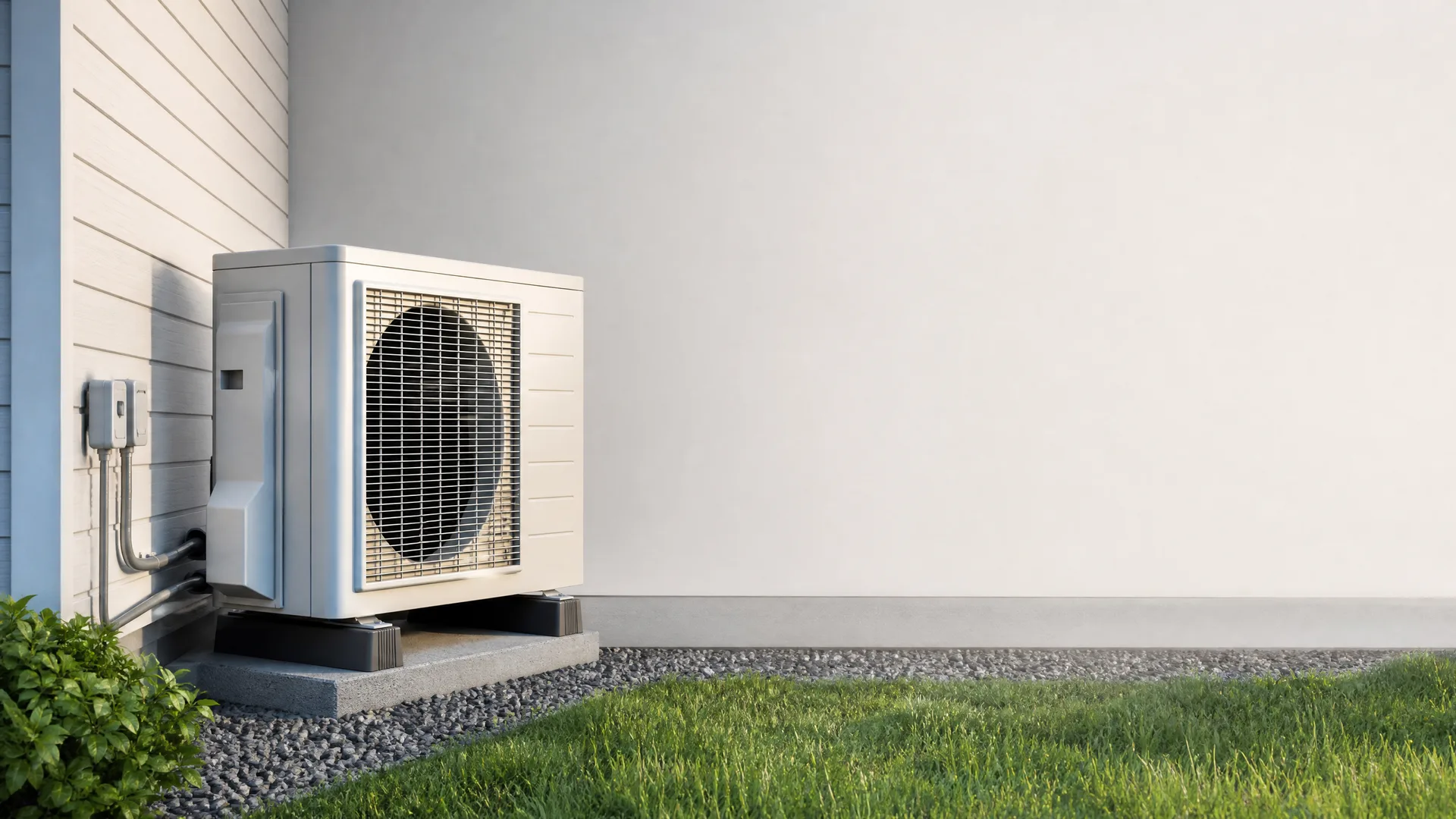
An outdoor heat pump unit on a concrete pad beside a house corner, with a small electrical box and conduit on the wall, gravel border, grass, and a plain light-colored wall filling the right side.

How the defrost cycle works

A sensor on the outdoor coil tracks frost buildup. Once it reaches a set point, a reversing valve switches the system into cooling mode for a few minutes. Hot refrigerant runs through the outdoor coil instead of the indoor one, melting the ice from the inside out. The outdoor fan shuts off during this so it doesn't blow cold air through the melting coil. A few minutes later it switches back to heating.

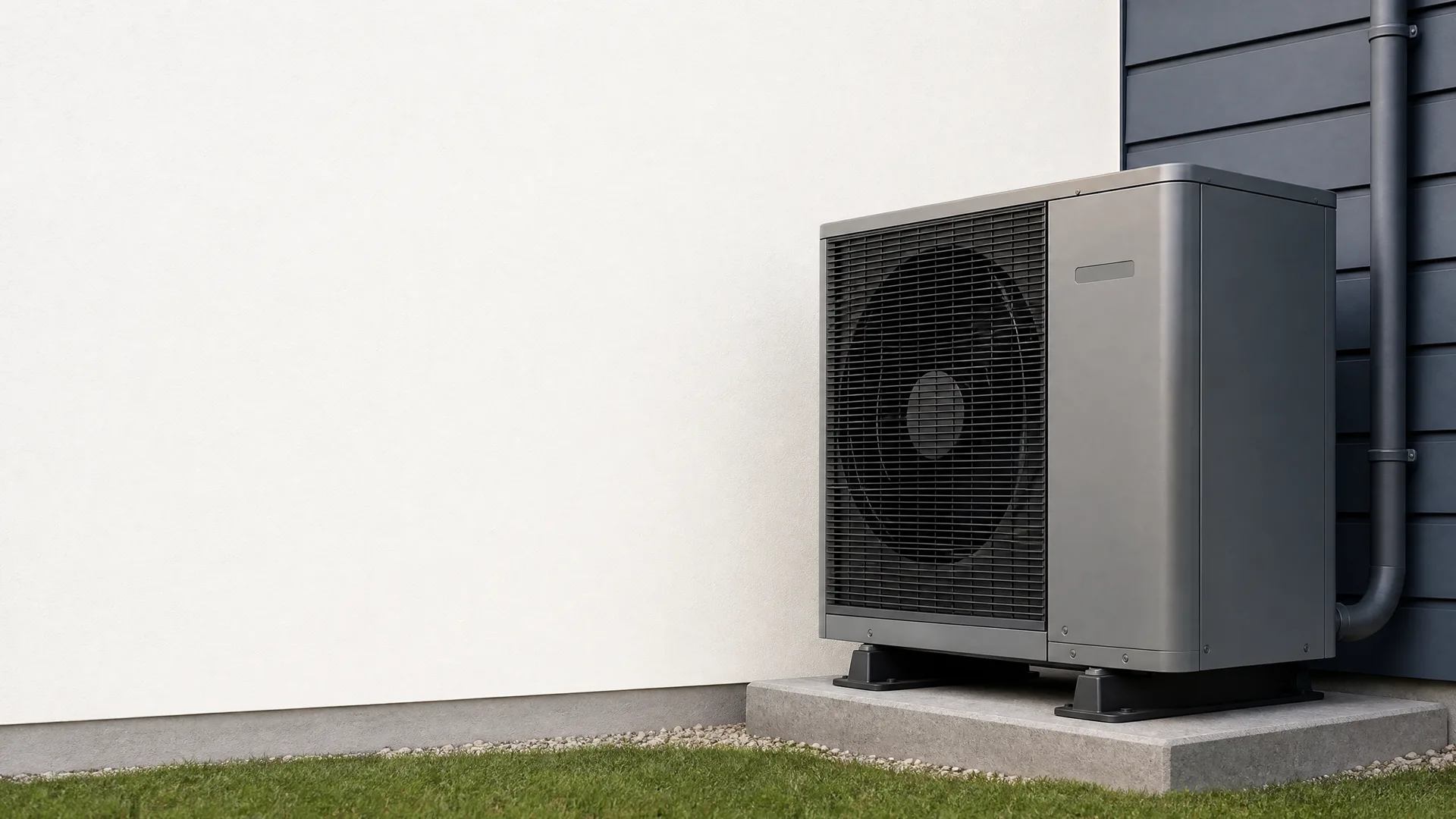
A grey outdoor heat pump unit on a concrete pad beside a white stucco wall and dark siding with a downpipe, with gravel and grass in the foreground.

When ice means something is wrong

A thin coat that melts off within fifteen or twenty minutes is the defrost cycle doing its job. Ice that stays thick, covers the whole unit, or builds up again within an hour points to something not working right, often a defrost sensor, a stuck reversing valve, or a low refrigerant charge. If the outdoor fan isn't spinning at all, or you hear it straining, that's worth a look before the coil ices over completely.

Is this normal frost or a system that's stuck?

A thin white coating on the coil during a cold snap is nothing to worry about. What's worth a second look is ice that builds up thick, covers the whole unit, or comes with a block of solid ice at the base. You might hear the outdoor fan straining or notice the unit running nonstop without ever warming the house past a certain point. If the defrost cycle isn't kicking in on its own, the coil stays iced over, airflow drops, and the system works harder to put out less heat. Left alone through a stretch of cold weather, that strain is what burns out a compressor.

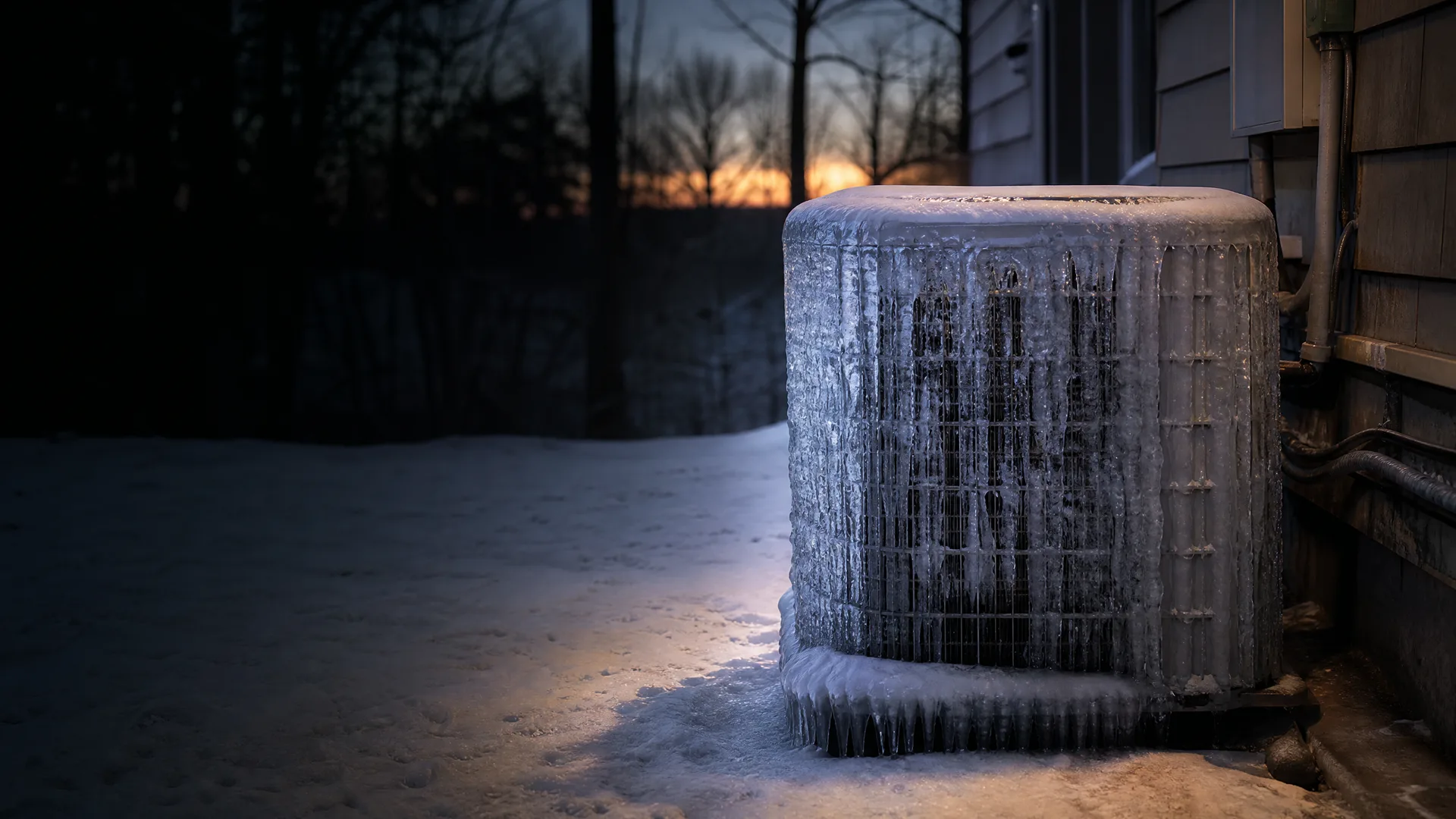
An outdoor condenser unit encased in thick ice stands on snow beside a house with horizontal siding and exterior pipes, with bare trees and a sunset glow in the background.

You go out for the paper a little after six and the yard is still dark, grass stiff with frost. The outdoor unit sits against the side of the house, and this morning it's wearing a shell of ice thick enough to hide the fan grille. No fan. No hum. Just a block of white over the coil and a ridge of ice frozen to the ground at the base where water ran off and never thawed. You crouch down and knock on the casing. Nothing moves inside. The house behind you is quiet too, vents blowing air that isn't warm anymore. You stand there in the cold a minute longer, working out who to call before the coffee's even on.

The right pro for this job

Send the request and finding a pro stops being your problem.

No fee to send it, and nothing to sign.

The unit still runs

Frost comes and goes but the system keeps heating your house. You hear the fan cycle, the defrost kicks in every so often, and the ice clears on its own within the hour. The air coming out of your vents is still warm. This is the system doing what it was built to do. There's no reason to shut it down or call anyone tonight. Keep an eye on it over the next day or two, especially if the temperature stays below freezing, and check that nothing is blocking the outdoor unit like a fallen branch or a snow drift pushed up against the side.


The ice keeps growing back

You knock the ice off, or it melts during the day, and by the next cold morning it's back, thicker than before. The defrost cycle either isn't kicking in or isn't clearing the coil all the way. Your house might still feel warm for now, run on a backup heat strip, but that's extra cost and it won't last. A stuck reversing valve, a bad sensor, or a low refrigerant charge can all cause this, and none of them fix themselves. This is the point where a repair call makes sense before it gets worse.

A woman in a gray turtleneck sweater stands by a window looking outside at snowy ground, with a dimly lit living room containing a sofa, shelves, lamp and a lit candle behind her.
A woman in a cream cable-knit turtleneck sweater stands in a warmly lit living room with a fireplace and shelves behind her, looking out a window toward snow-covered trees and a railed deck.
A woman in a cream knit turtleneck sweater stands by a window looking out at snow, with a lit fireplace, sofa and lamp in the room behind her.
A woman in a gray knit sweater sits by a window looking out at falling snow, with a dimly lit living room containing a sectional sofa, pillows, a lamp and houseplants behind her.

A thin coat of frost that melts off during defrost and comes back overnight is doing what it's supposed to do. The coil clears on its own, the fan keeps turning, and the warm air at your vents never stops.

Ice that just keeps building, cycle after cycle, until the coil is sealed in a solid white block means the defrost cycle has stopped working. The unit needs a repair, not another cold night to work it out on its own.

A bearded man in a plaid flannel shirt stands in a kitchen looking out a window toward snow-covered shrubs, with a steaming mug on the windowsill and potted plants on a shelf behind him.
A smiling man with dark curly hair in a navy t-shirt sits on a gray couch indoors, with a large-leafed plant and a window in the background.
  1. The outdoor coil gets cold enough to freeze moisture from the air.

  2. A sensor reads the frost and triggers a changeover.

  3. The reversing valve sends hot refrigerant to the outdoor coil.

  4. The system runs like an AC for a few minutes to melt the ice.

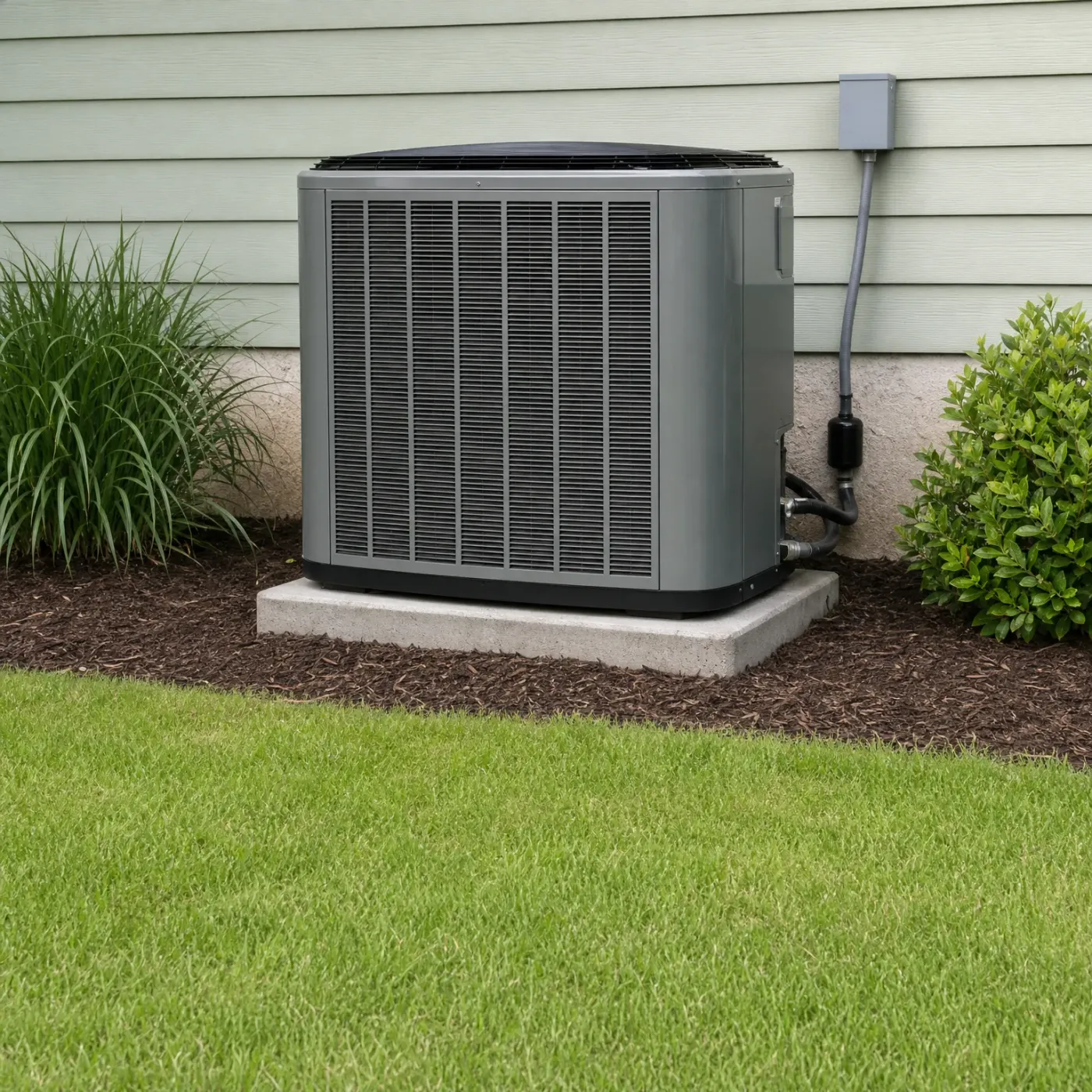
A gray outdoor condenser unit on a concrete pad beside a light-green sided house, surrounded by mulch, ornamental grasses and a shrub, with mowed lawn in the foreground.
The fan runs free and the coil shows only a thin frost line that clears with the next defrost cycle.
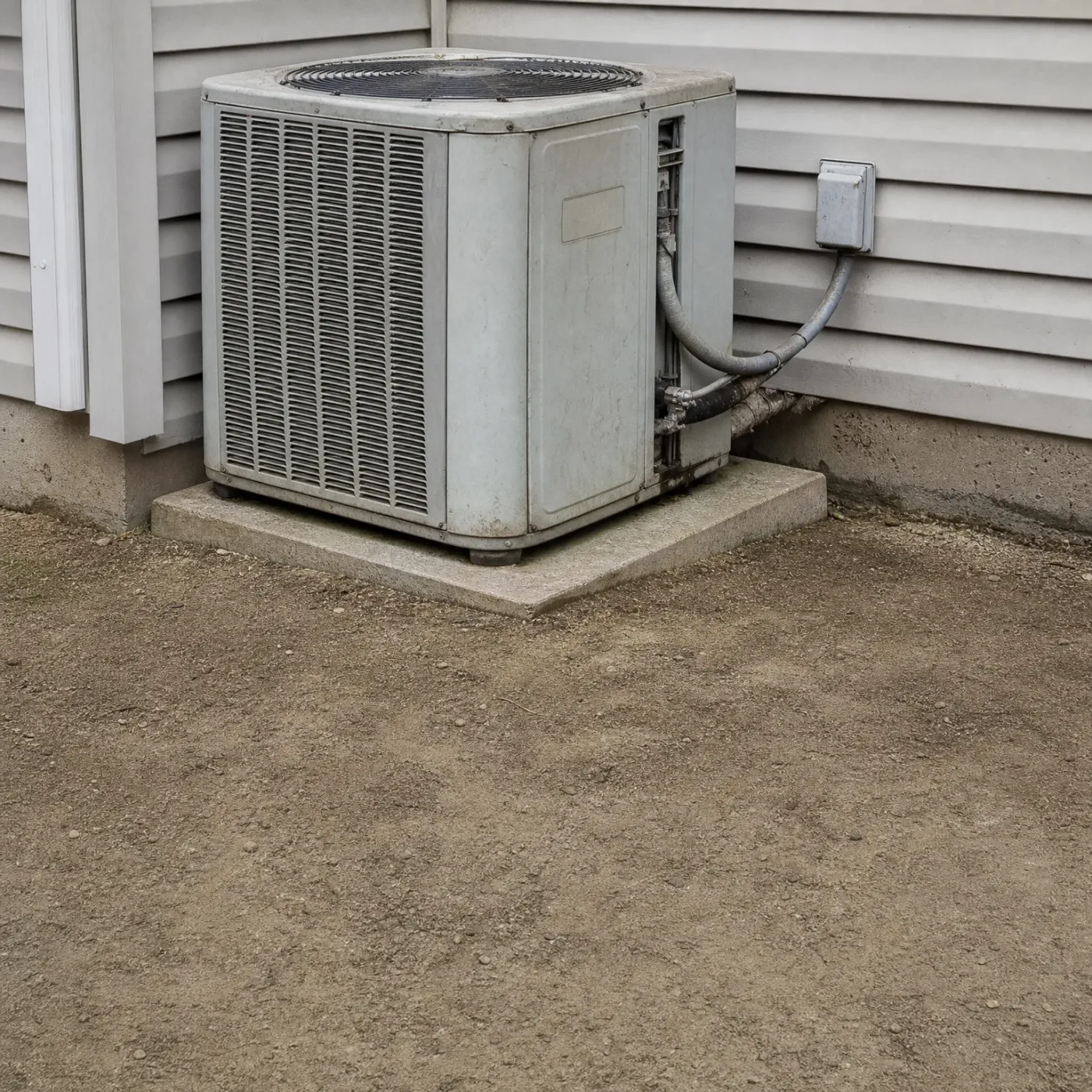
An outdoor condenser unit on a concrete pad beside a horizontal-sided house, with insulated refrigerant lines running to a wall-mounted box, surrounded by bare dirt.
Ice has sealed the fan grille and crept down the cabinet, a sign the defrost cycle has stopped working.

Power costs 13.22 cents per kilowatt-hour statewide

Most houses here heat with electric heat pumps, and at 13.22 cents a kilowatt-hour, a unit stuck in defrost or frozen solid runs up your bill fast trying to catch up. Catching the ice early, before it turns into a repair call for a failed defrost control, keeps that cost from building.

EIA-861 2025 statewide residential average

Frost or Failure: Where You Stand

  • A thin frost line that melts off during defrost and the fan turning freely both mean the system is working the way it should.
  • Ice that thickens with every cycle, covers the cabinet, or seals the fan grille means the defrost cycle has stopped doing its job.
  • A heat pump that keeps up at that point is losing the fight, and the electric strip heat or furnace backing it up pushes your bill higher the longer it runs.
  • Warm air still coming from your vents while frost comes and goes is the clearest sign you can wait and watch.
  • A fan that won't turn, a hum with no air movement, or solid ice at the base calls for a repair before the next cold night.
  • Sending the form hands the search for a contractor off your plate, and the next step is someone reaching out who already knows what you're dealing with.

A little frost on the coil during a cold snap is just the machine doing its job. The defrost cycle handles it, the fan keeps turning, and warm air never stops coming through your vents. That's the system working as it should, and it doesn't need a call.

What changes things is ice that doesn't clear. If it thickens with every cycle, climbs over the cabinet, or seals the fan grille shut, the defrost cycle has quit working. The unit might still run, but a heat pump fighting that much ice loses ground, and the electric strip heat or furnace picking up the slack runs longer and costs more the whole time it's stuck like that. A fan that won't spin, a hum with no air behind it, or a block of solid ice at the base means the system needs a repair before the next cold night, not a wait and see.

You don't have to sort out who to call or whether it can wait another day. Send the form and that part stops being yours to carry. Someone who already knows what a frozen heat pump looks like in a Tennessee winter reaches out, and from there it's their job to figure out what's wrong and fix it. The ice tells you which side of that line you're on. Everything after that is a phone call away, not a project you have to manage yourself.

Interior room corner with sunlight from a window, showing peeling paint and damaged plaster on the wall above a white baseboard, a wooden cabinet with a pale bowl on top, hardwood floor and a patterned rug.
Interior corner of a room with tan walls, white profiled baseboard and window trim, a wood-plank floor in sunlight, and green foliage visible through the window.
An empty room corner with cream walls, white baseboard, two windows with deep sills showing green foliage outside, and a wood plank floor lit by sunlight.
Empty room corner with beige walls, white beadboard wainscoting, chair rail and baseboard, a window with green foliage outside, and sunlight casting leaf shadows on the wall above a wood floor.
Sunlit room corner with a multi-pane window, beige walls, white baseboard, wood floor with a woven rug, and a dark wooden cabinet holding a ceramic table lamp below a framed picture.

Matched to your heat pump job

After this form, you can stop searching for a heat pump pro.

Connect with a pro

Sending the form costs nothing.