Tennessee Heat Pump Pros
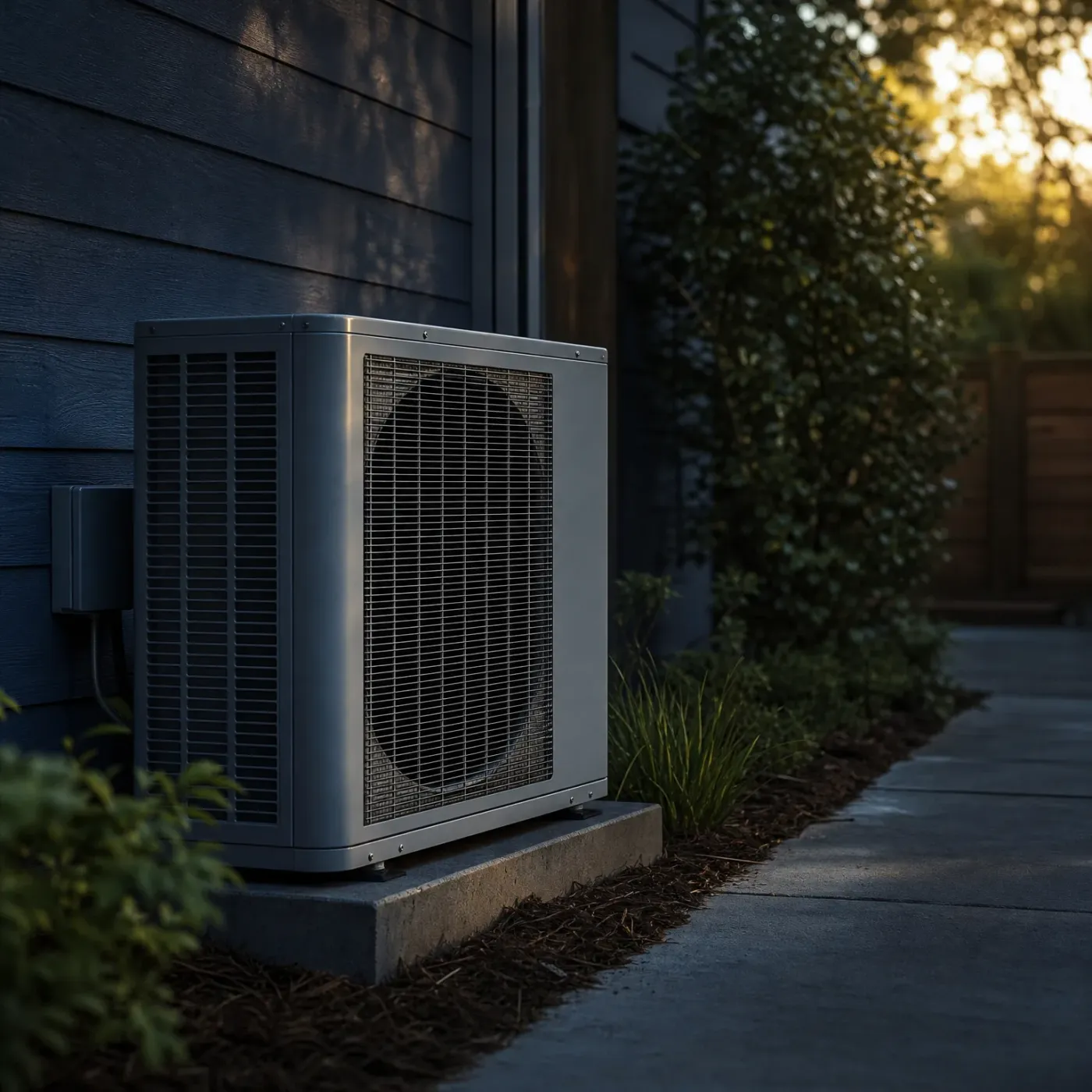
A gray outdoor heat pump unit on a concrete pad beside a dark horizontal-siding wall, with a small electrical box on the wall, shrubs and a concrete walkway to the right at dusk.

The right pro for this job

Why your heat pump keeps short cycling in Tennessee

A heat pump that turns on and off every few minutes isn't resting, it's struggling with something specific, and running that way wears on the compressor fast. This page gets into what causes short cycling in a Tennessee heat pump, from a stuck sensor to a unit that's too big for the house, and what tends to go wrong first in homes that heat with electricity here. A local contractor who services this equipment season after season can look at your system and tell you which one it is.

Match me with a pro

A heat pump that short cycles is turning off before it finishes a full run, then kicking back on a few minutes later. Most of the time it's one of a few things: a thermostat sensor reading the room wrong, a dirty outdoor coil making the system think it's overheating, low refrigerant, or an oversized unit that satisfies the thermostat too fast. In Tennessee, where most homes run electric heat through the winter, the heat pump is working through more hours a day than it would somewhere milder, so these problems show up sooner and get noticed faster. Short cycling isn't just an annoyance. Every start draws a surge of power to get the compressor moving, and a compressor that starts and stops constantly wears out well before one that runs full cycles. Left alone, this usually ends with a compressor replacement instead of a simple repair. The fix depends on which of these is actually happening in your system, and that takes someone checking refrigerant charge, the coil, and the thermostat wiring in person.

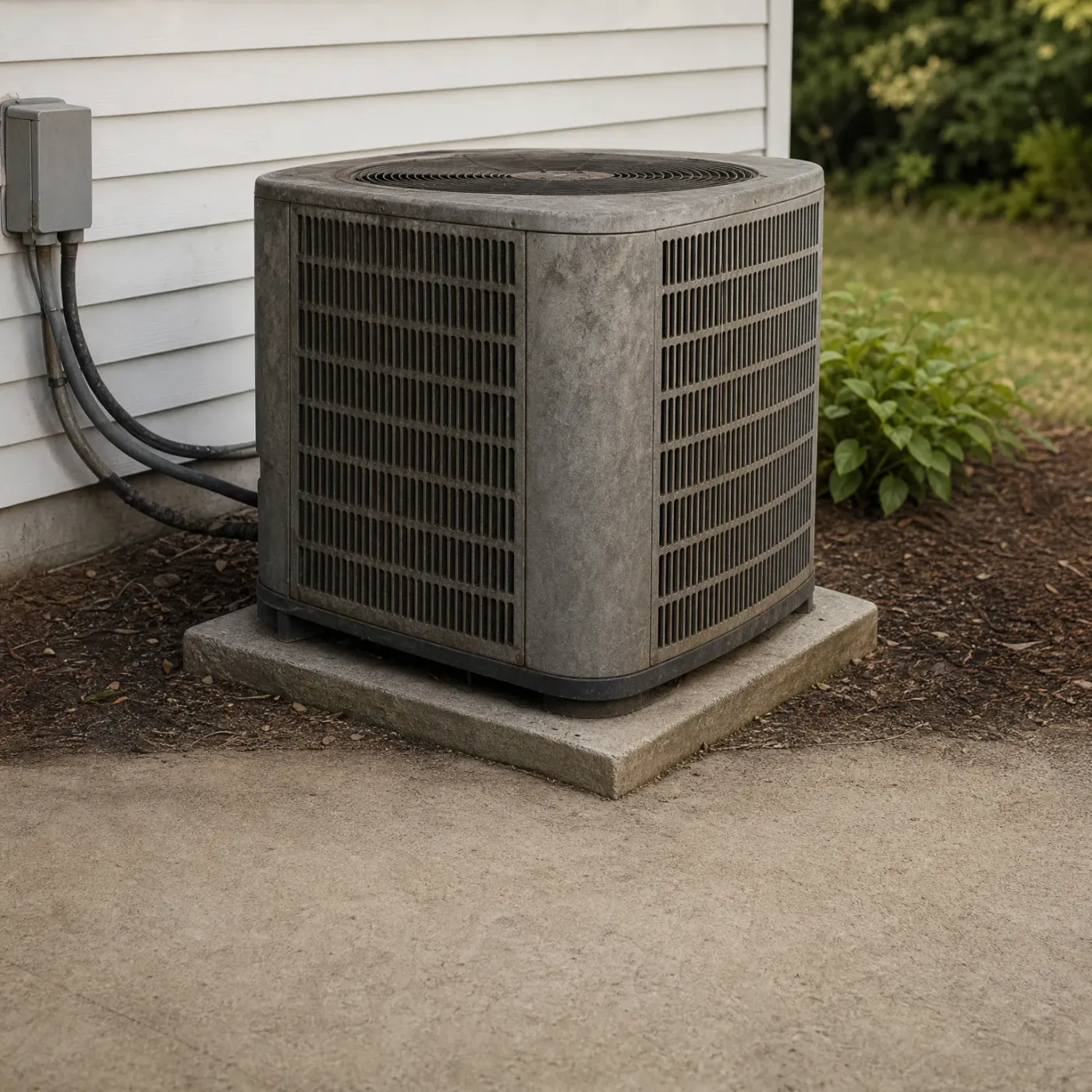
An outdoor air conditioning condenser unit sits on a concrete pad beside a white horizontal-siding house, with a gray electrical disconnect box and insulated refrigerant lines on the wall, mulch and green shrubs to the right, and a concrete slab in the foreground.
Before you get your heat pump repair
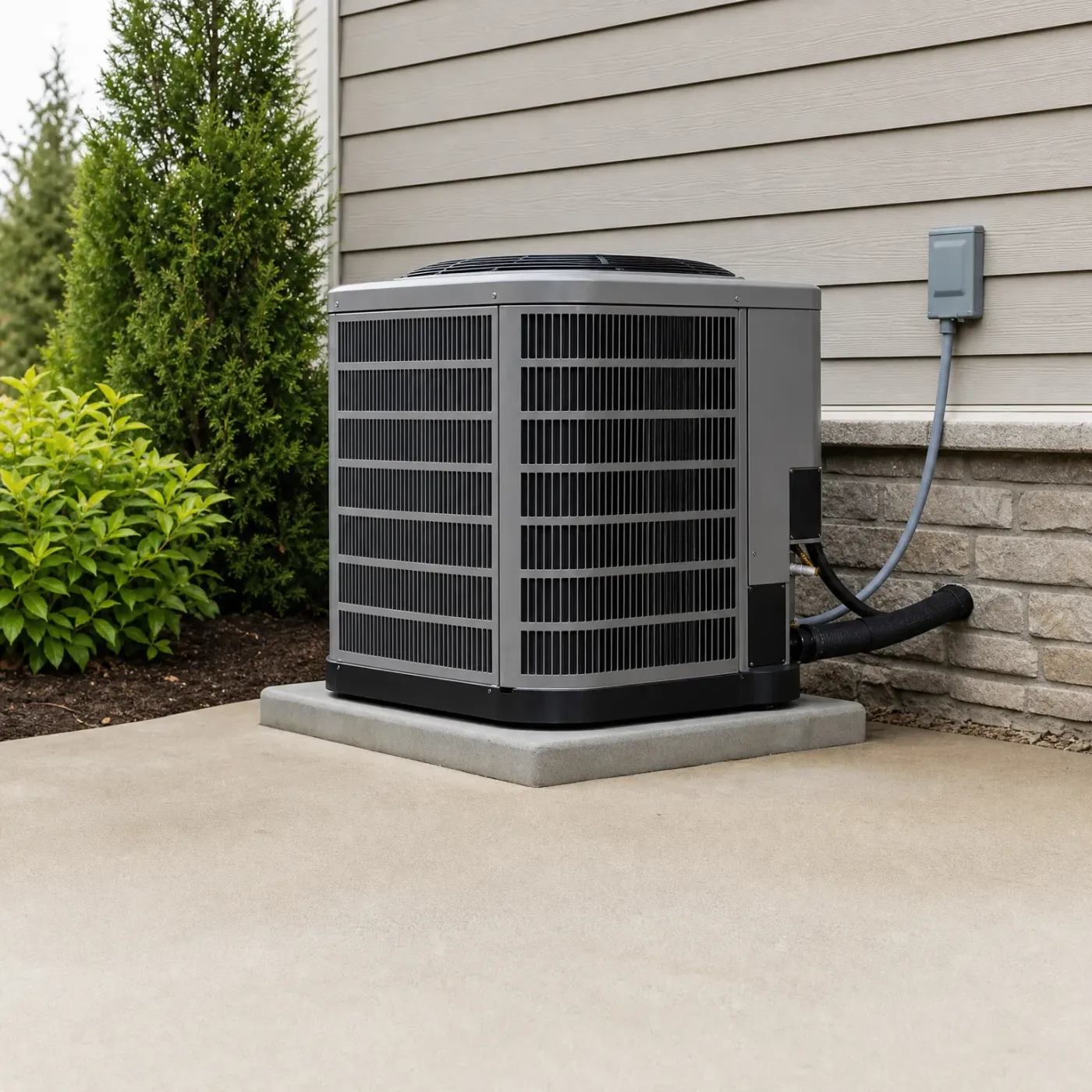
A gray outdoor air conditioner condenser unit on a concrete pad beside a house with horizontal lap siding and a stone veneer base, with a conduit running to a wall-mounted disconnect box and shrubs and evergreen trees to the left.
After you get your heat pump repair

Why it wears the compressor fast

The compressor is built to run a full cycle, reach steady pressure, and shut off clean. Short cycling interrupts that every time. Each restart pulls a hard surge of current through the compressor windings, and the oil that's supposed to keep moving parts coated hasn't circulated yet. Do that every few minutes for a week and you've put it through more starts than a normal system sees in a month. That's the wear that ends with a compressor needing replacement years before it should, and a heat pump that cycles short all winter is already running up toward that outcome.

What a stuck sensor looks like

A thermostat sensor that's reading wrong doesn't throw an error, it just tells the system the room hit temperature when it hasn't. The heat pump shuts off, the room keeps cooling or heating past where the thermostat thinks it is, and it fires back up a few minutes later. You'll notice the room temperature swinging more than it should and the outdoor unit kicking on and off even when it's mild outside. A tech checks this with a separate thermometer against the thermostat reading before touching anything else on the system.

A middle-aged woman with shoulder-length dark hair, wearing a gray cardigan over a cream top, sits in an upholstered armchair and looks toward a sunlit window, with a shelf holding framed pictures and a plant behind her.
A woman and a child wrapped together in a knitted gray blanket on a couch, with the child's head resting on her shoulder and a lit table lamp and houseplant in the background.

What's Actually Happening Inside

  • A heat pump calls for heat or cooling through low voltage signals sent from the thermostat to the control board.
  • The board starts the compressor and the outdoor fan, and a run that ends early almost always traces back to a sensor or a pressure switch, not the compressor itself.
  • A low refrigerant charge drops the suction pressure until the low pressure switch trips and shuts the system down well before the cycle is done.
  • An iced outdoor coil blocks airflow across the coil, the head pressure climbs, and the high pressure switch cuts the unit off to protect it.
  • A thermostat sensor that reads the room wrong can call for a cycle that's too short to begin with, so the system shuts off almost as soon as it starts.
  • A defrost control that misreads outdoor temperature can force the unit into defrost mode on a schedule that has nothing to do with how much frost is actually on the coil.

Your thermostat doesn't control the heat pump directly. It sends a low voltage signal to the control board, and the board decides what happens next: start the compressor, start the outdoor fan, open or close a reversing valve. When a cycle ends early, the board is usually responding to something it was told, not failing on its own.

Refrigerant charge matters more than people expect. If the charge is low, suction pressure drops as the system runs, and once it drops far enough, the low pressure switch trips and shuts the compressor down to protect it. The cycle never gets to finish because the system got that signal before the house was satisfied.

Outdoor coils ice up for the same reason year round, but it shows worse in a Tennessee winter when outdoor air carries more moisture than it can hold. Ice across the coil blocks airflow, head pressure climbs, and the high pressure switch cuts the unit off, same protective idea, opposite direction.

A thermostat sensor reading the room wrong causes a different kind of short cycle. The system turns on, sees a few degrees it didn't expect, and shuts off almost immediately because as far as the board knows, the call is satisfied.

Defrost controls run on a timer and an outdoor sensor. If that sensor is misreading temperature, the unit can go into defrost when there's barely any frost on the coil, cutting a normal heating cycle short for no real reason.
A gray-haired man in a dark sweater sits on a light gray sofa in a living room, looking toward a sunlit window with trees outside.
A gray-haired man in a dark blue sweater sits on a light gray sofa in a sunlit living room, looking off to the side, with a potted plant, shelving unit, and large glass doors behind him.
A bearded man with graying hair in a dark green sweater sits on a sofa in a living room, looking off to the side, with a sliding glass door and a dim kitchen doorway behind him.
A gray-haired man in a dark knit sweater sits on a light gray sofa in a living room, looking toward a sunlit window, with houseplants, a lamp, and framed art in the background.
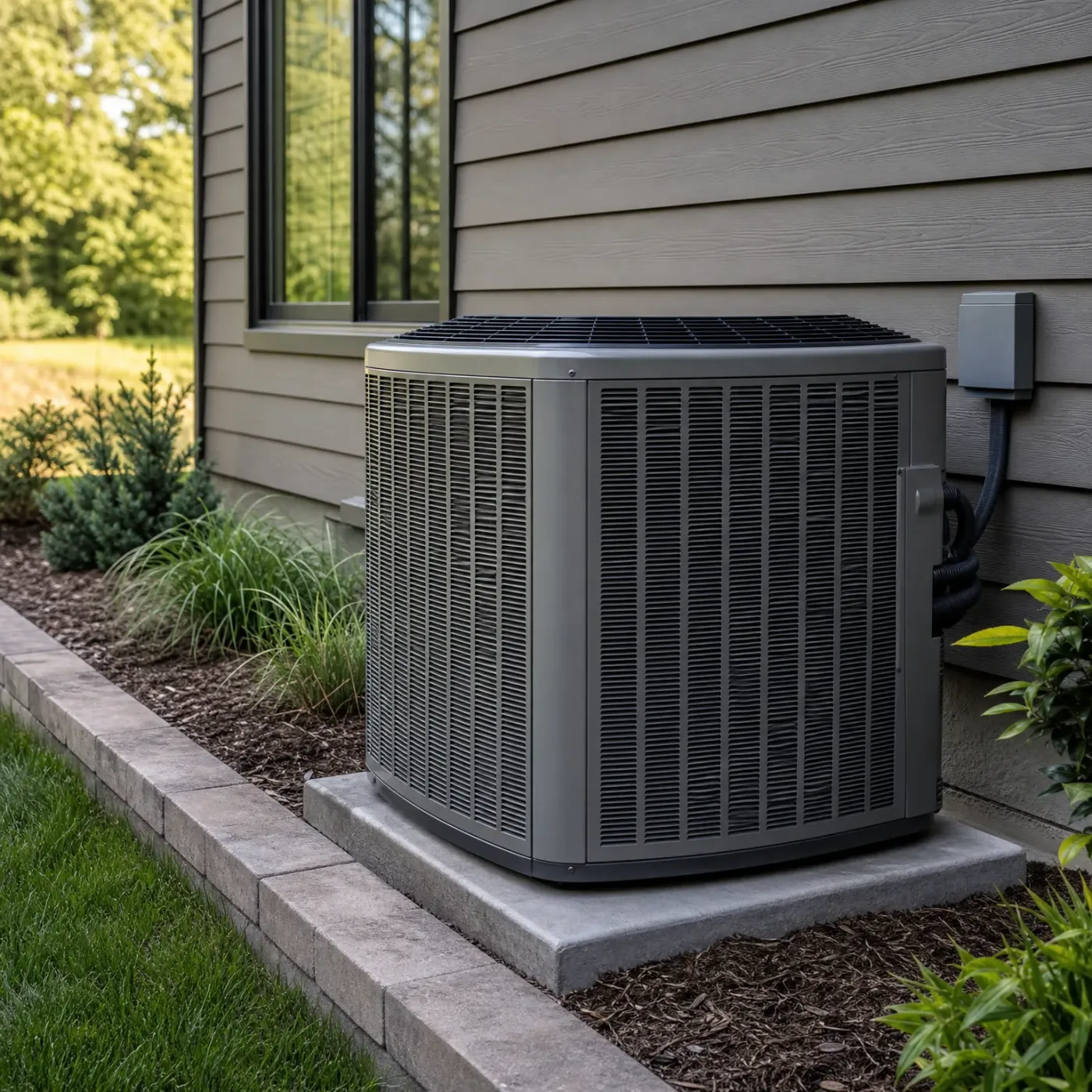
A gray outdoor condenser unit of an air conditioner or heat pump sits on a concrete pad beside a house with horizontal lap siding, with a wall-mounted disconnect box and conduit above it, mulched beds, shrubs and grass nearby.

Matched to your heat pump job

Only one pro gets your request, so you hear from one company.

Say what's going on with your heat pump, and a pro who works on them reaches out.

Reach a local pro

No charge to send it. You decide if you hire them.

Fix the Cycling or Let It Wear

Keep running as is

  • Each restart draws a hard surge of current through the compressor windings, and that adds up over a Tennessee summer of constant cycling.
  • The oil that lubricates the compressor needs a full run to circulate properly, so short runs leave parts dry more often than they should be.
  • A heat pump stuck in short cycles works harder to hold the house at temperature, and electricity here is cheap but you're still paying for cycles that don't finish their job.
  • The thermostat or pressure switch causing the problem doesn't fix itself, so the cycling continues and the wear continues with it.
  • Left alone, a failing sensor or switch tends to get worse, not better, and what starts as a minor fault can end in a compressor that won't start at all.

Get it repaired

  • A licensed contractor local to Tennessee who works on heat pumps all year knows which sensors and switches fail first in this climate.
  • Pinpointing whether it's the thermostat sensor, the outdoor coil, or a pressure switch stops the guesswork and gets the compressor running full cycles again.
  • You get matched with one contractor, not several, so there's no juggling calls from companies you didn't ask to hear from.
  • A proper repair protects the compressor, which is the most expensive part of the system to replace if the cycling is left to wear it down.
  • Once the actual cause is fixed, the heat pump runs the length of cycle it was built to run, and the strain on the system stops.
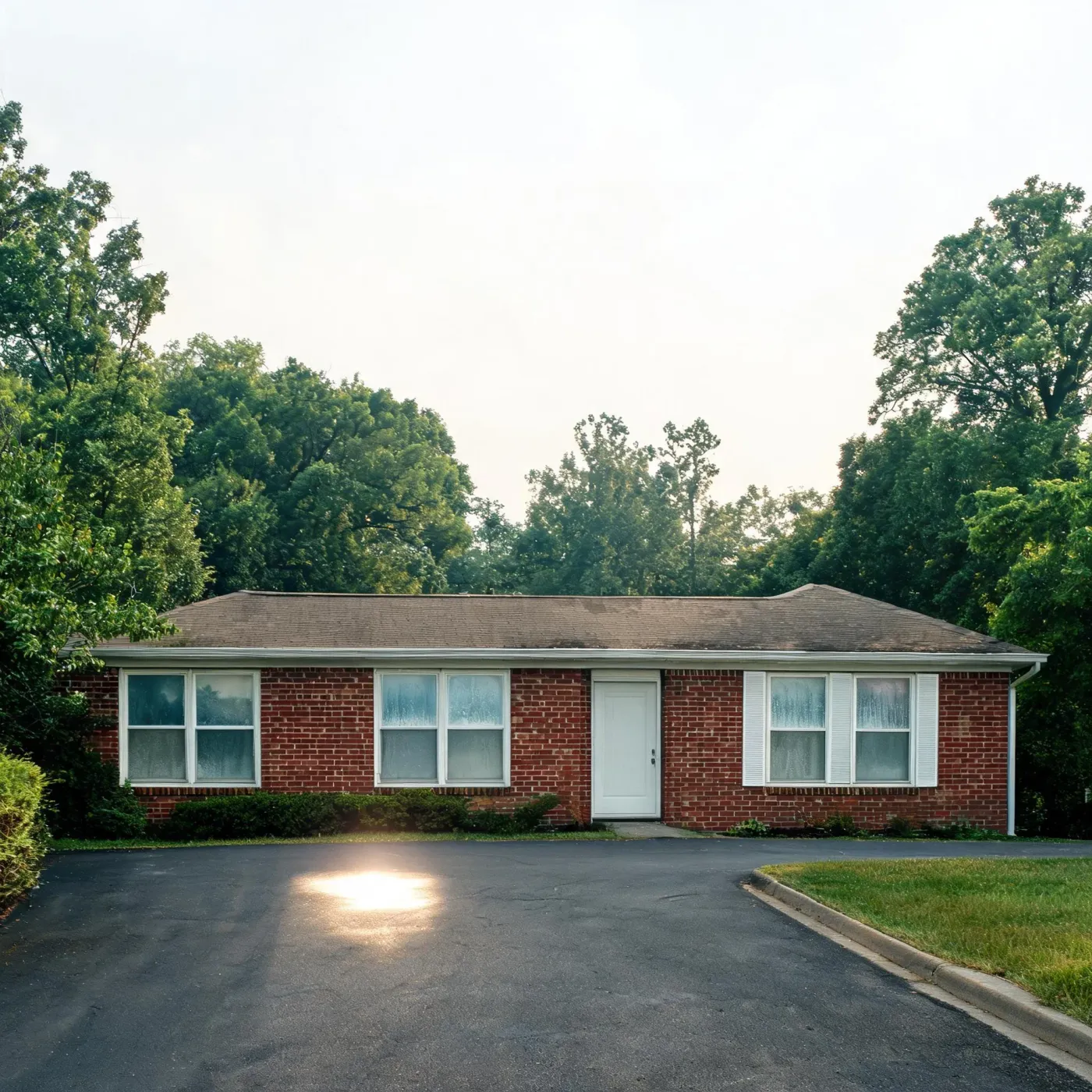
A single-story red brick ranch house with a white door, white-trimmed windows and a shingled hip roof, fronted by a wide asphalt driveway with sunlight glare, surrounded by green deciduous trees under a pale sky.

A summer dew point averaging 66°F, from NOAA climate data, is the kind of muggy that makes your heat pump work for every degree of cooling. Thick air holds more moisture, so the system pulls harder to wring it out of the house, and the outdoor coil stays under heavier load for hours at a stretch. If something is already off, a weak sensor reading or a coil that's losing airflow, that load is what pushes the unit into shutting off early instead of finishing the run. You'd notice the air feeling cool but still damp, and the outdoor unit cycling more often than it should through the worst of summer.

NASA POWER T2MDEW county cells weighted by homes

Why does my heat pump shut off and start again just a few minutes later?

You turned the thermostat down and the outdoor unit kicked on, then quit a few minutes later, then started up again. It's not finishing a run. You want to know what inside the system makes it do that before you decide whether to let it keep going.

A pressure switch or a sensor is cutting the run short before it's done

The compressor needs a full run to build steady pressure. If the system trips a safety switch early, usually from high head pressure caused by a dirty outdoor coil or low refrigerant, the control board shuts the compressor down to protect it and tries again a few minutes later. Same thing if the thermostat has a bad sensor and reads the room wrong, it thinks the house hit temperature when it hasn't. In a Tennessee summer, with the system running almost nonstop against the heat and humidity, a coil caked with dirt or a weak capacitor shows up as short cycling faster than it would in milder weather, because the unit is already working harder to begin with.

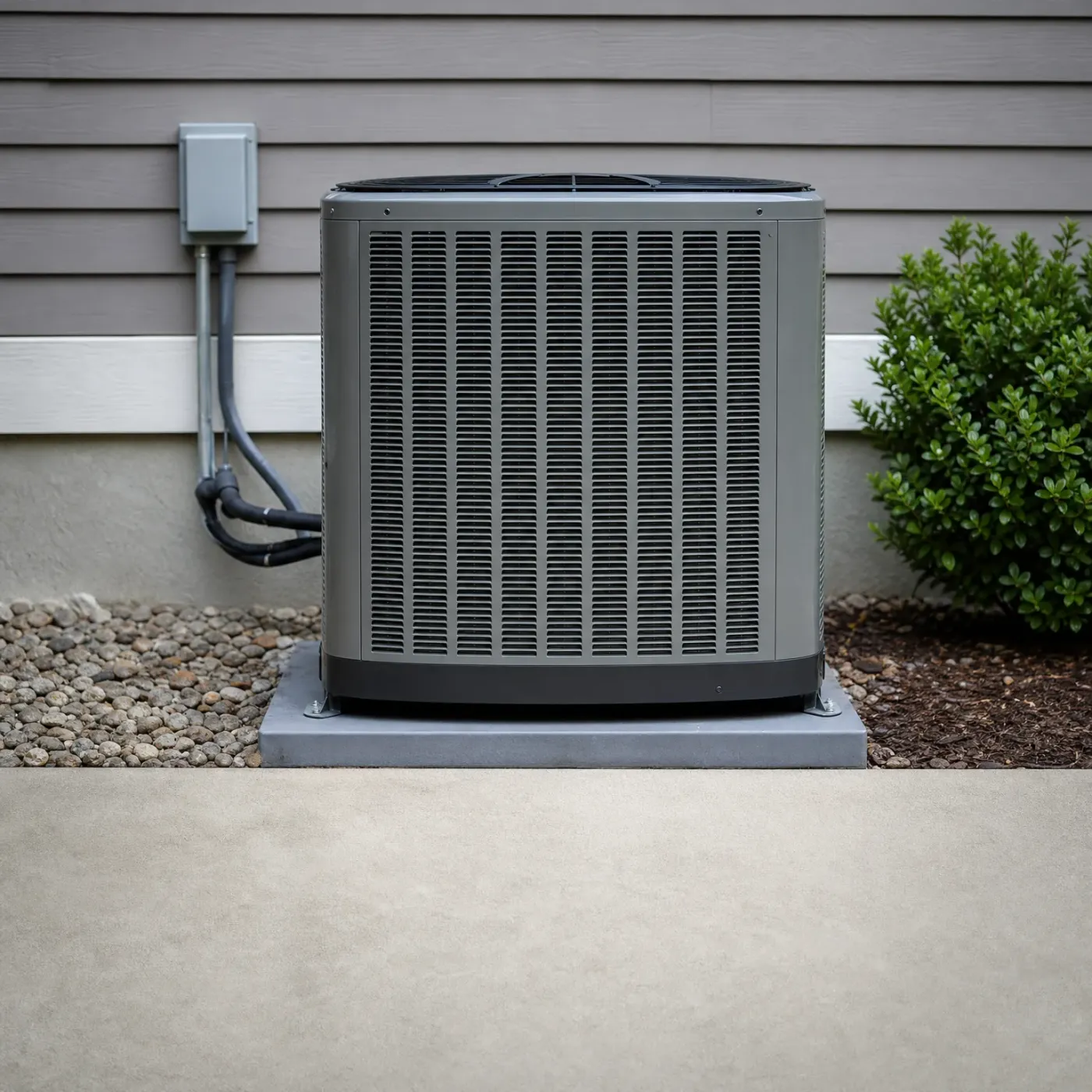
A gray outdoor condenser unit on a concrete pad beside a house with horizontal lap siding, with a metal disconnect box and refrigerant lines on the wall, river rock and mulch to the sides, and a green shrub at right.

Clear coil, clean run

This is what a heat pump looks like when it isn't fighting anything extra. The fins are open, air moves through the coil the way it's supposed to, and the unit can actually finish a cycle before it shuts off.

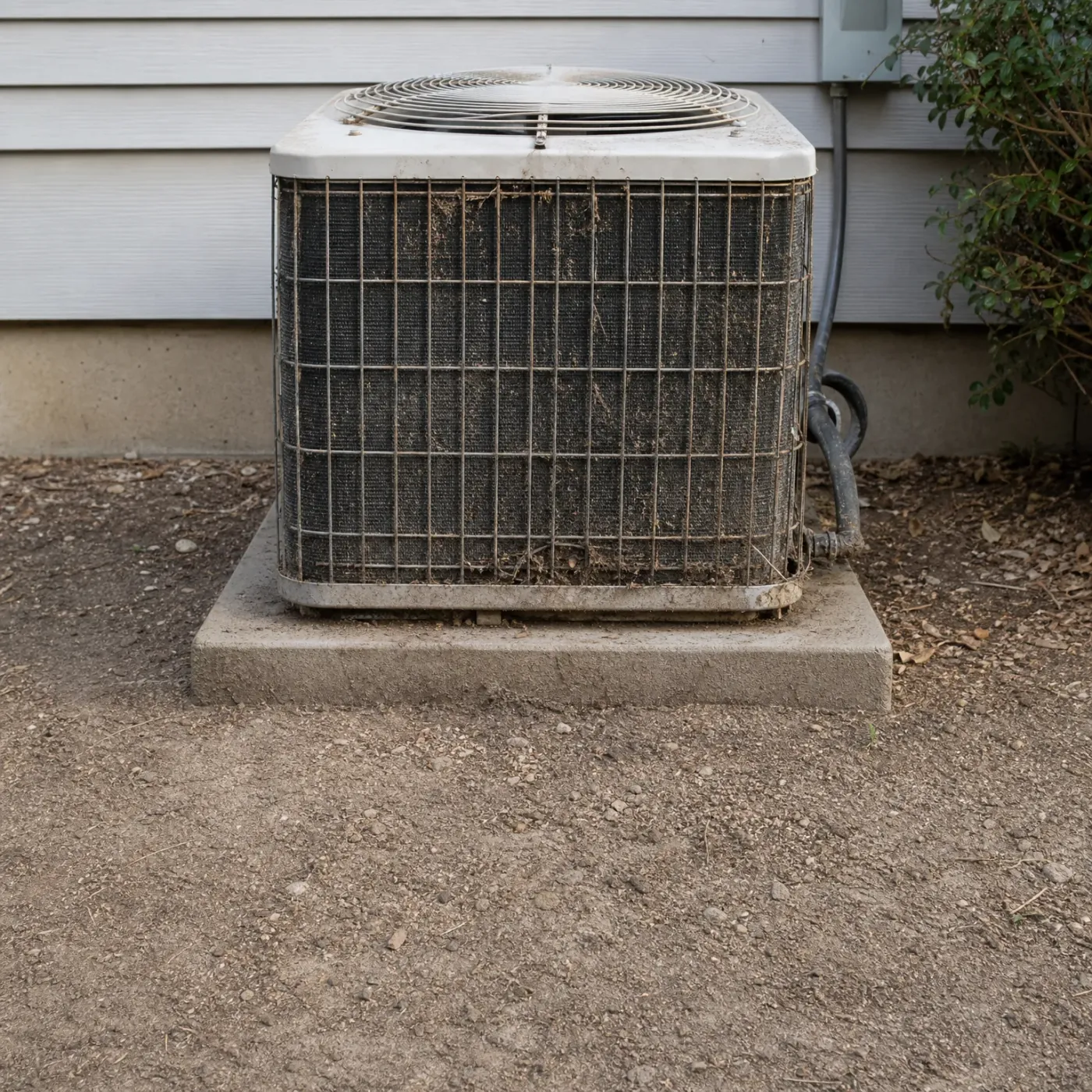
A dirty outdoor air conditioner condenser unit with debris on its coil grille, sitting on a concrete pad beside a light-colored horizontal siding wall, with bare dirt ground in front and a shrub at right.

Clogged coil, short cycle

Dirt and plant matter have packed into the grille and the fins on this one. Air can't move through the coil, so pressure builds up fast, the system trips off early, and it starts the same losing run again a few minutes later.

Power costs 13.22 cents per kilowatt-hour statewide

Most Tennessee homes heat with electricity, so your heat pump is running on that 13.22 cent rate every time it starts. A unit that short cycles restarts over and over instead of finishing one run, and each restart pulls a harder surge of current than a normal cycle does. That adds up fast on a system that's cycling all day.

EIA-861 2025 statewide residential average

  1. The thermostat sends a call for heat or cooling to the control board.

  2. A sensor or pressure switch reports a reading back to that board.

  3. The board reads it as out of range and cuts power to the compressor.

  4. The outdoor unit shuts down only minutes into the run.

A woman in a cream sweater and jeans stands in the open doorway of a white stucco house, holding the dark door, while a man in a dark quilted jacket seen from behind walks toward the entry past potted plants.

Short cycling has a cause, and it's fixable

A heat pump that won't finish a run is telling you something specific is wrong, not that it's old or tired. A stuck sensor, a dirty coil, a failing pressure switch, each one has a fix, and the compressor stops taking that beating once it's found. You don't have to guess at it yourself.

Someone local who works on heat pumps all year in Tennessee has seen this exact pattern plenty of times, in the heavy summer humidity and in the cold snaps that make your system lean on electric heat. Answer a few questions about your unit and what it's doing, and you'll be matched with one licensed contractor in your area, not a handful of companies competing for your callback. They'll reach out to you directly to look at what's actually happening with your system.

A living room corner with a beige sofa and cushion, a round wooden coffee table holding a pale ceramic vase of eucalyptus stems and a wooden bowl, and a curtained window with a potted plant above a latticed radiator cover in the background.
At dusk, a dark board-and-batten house with a standing-seam metal roof and lit entry walkway of stone pavers, with two large outdoor heat pump units on a stone-walled pad at right and trees and hills in the background.

Heat Pump Repair

A heat pump pro near you

Step 1 of 3: Equipment
  • A beige upholstered armchair with an olive cushion sits in a sunlit corner beside a wooden side table holding a ceramic vase with leafy branches, under a framed abstract artwork, on a woven rug over a wood floor.
    • Tell a local repair pro what your heat pump is doing.
    • Describe your heat pump job, and a local pro who handles it gets in touch.
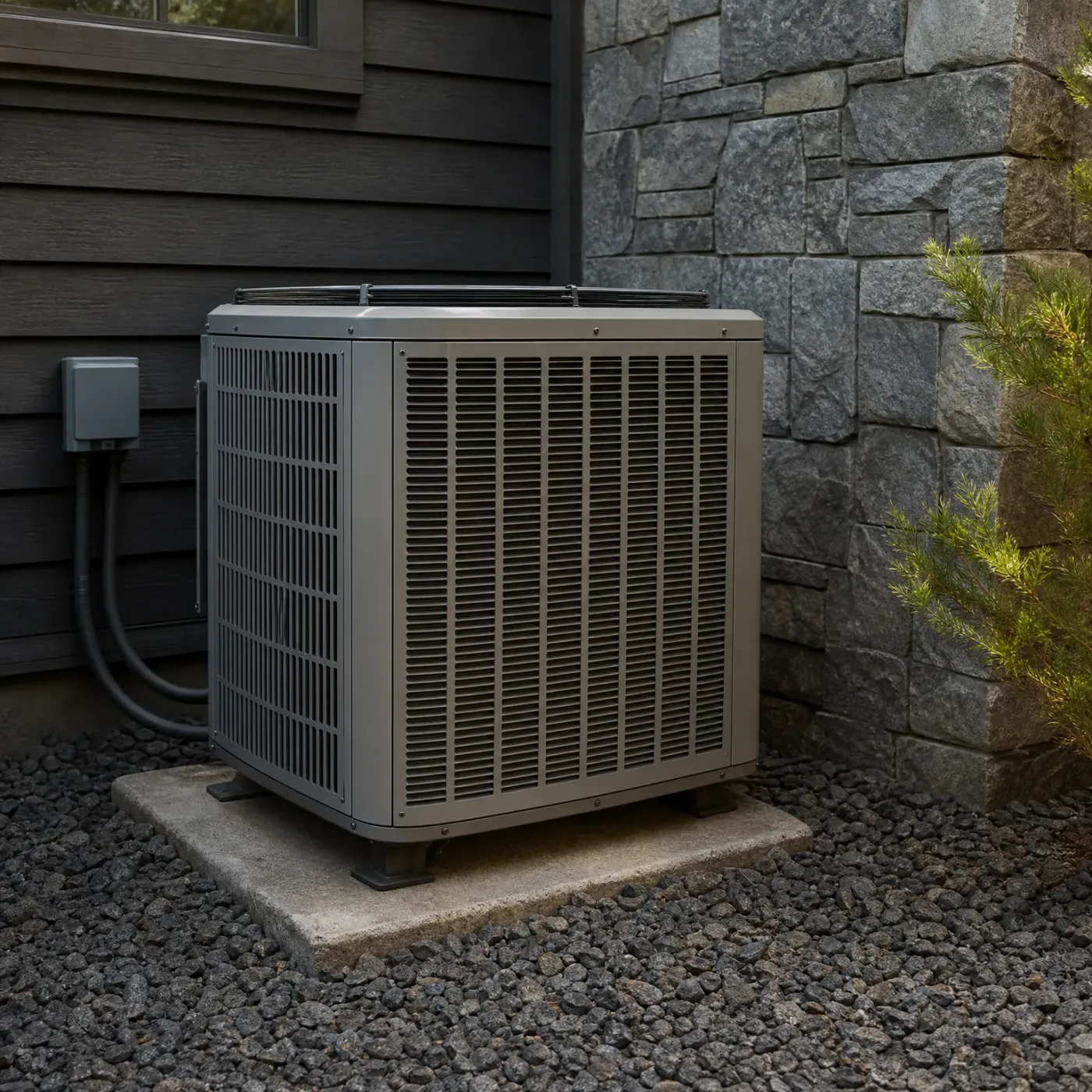
  • A gray outdoor condenser unit on a concrete pad surrounded by dark gravel, beside a dark wood-sided wall with an electrical disconnect box and a stone veneer wall with a small evergreen shrub.
    • Get the heat pump repair search off your mind today.
    • Once you send the form, finding a pro is off your list.
  • A beige upholstered oversized armchair with a matching cushion and a knit throw draped over one arm, beside a round wooden side table holding a vase of greenery near a curtained window, with a framed landscape print on the wall and a woven rug on a wood floor.
    • Fill out one short form instead of calling around.
    • Explain the job once and skip repeating it on every call.
  • Sunlit living room corner with a beige upholstered sofa, cushion and knitted throw, a round wooden side table holding a white ceramic vase of leafy branches and a small wooden bowl, a framed landscape painting on the wall, and a window at right.
    • Your request goes to one pro, not a list of companies.
    • The pro who reaches out is licensed in Tennessee.