





Why your heat pump won't turn on in Tennessee

Send the request today and stop worrying about who to call.

Send it today

A heat pump that won't turn on usually comes down to power, the thermostat, or a safety switch that shut the system down on purpose. Check the breaker first. A tripped breaker or a blown fuse at the outdoor unit is common, and if it trips again after you reset it, something downstream is drawing too much current. Next, check the thermostat. Dead batteries or a setting that's slipped off "heat" will leave the system sitting idle even though everything else is fine. If power and the thermostat check out, the unit itself may have a safety lockout from a frozen coil, a stuck contactor, or a failed control board. Tennessee winters bring cold snaps hard enough to ice up an outdoor coil if the defrost cycle isn't working right, and a unit that won't come back on after that needs a licensed hand on it, not a reset. This is electrical work and refrigerant work together, and getting it wrong can damage the compressor.

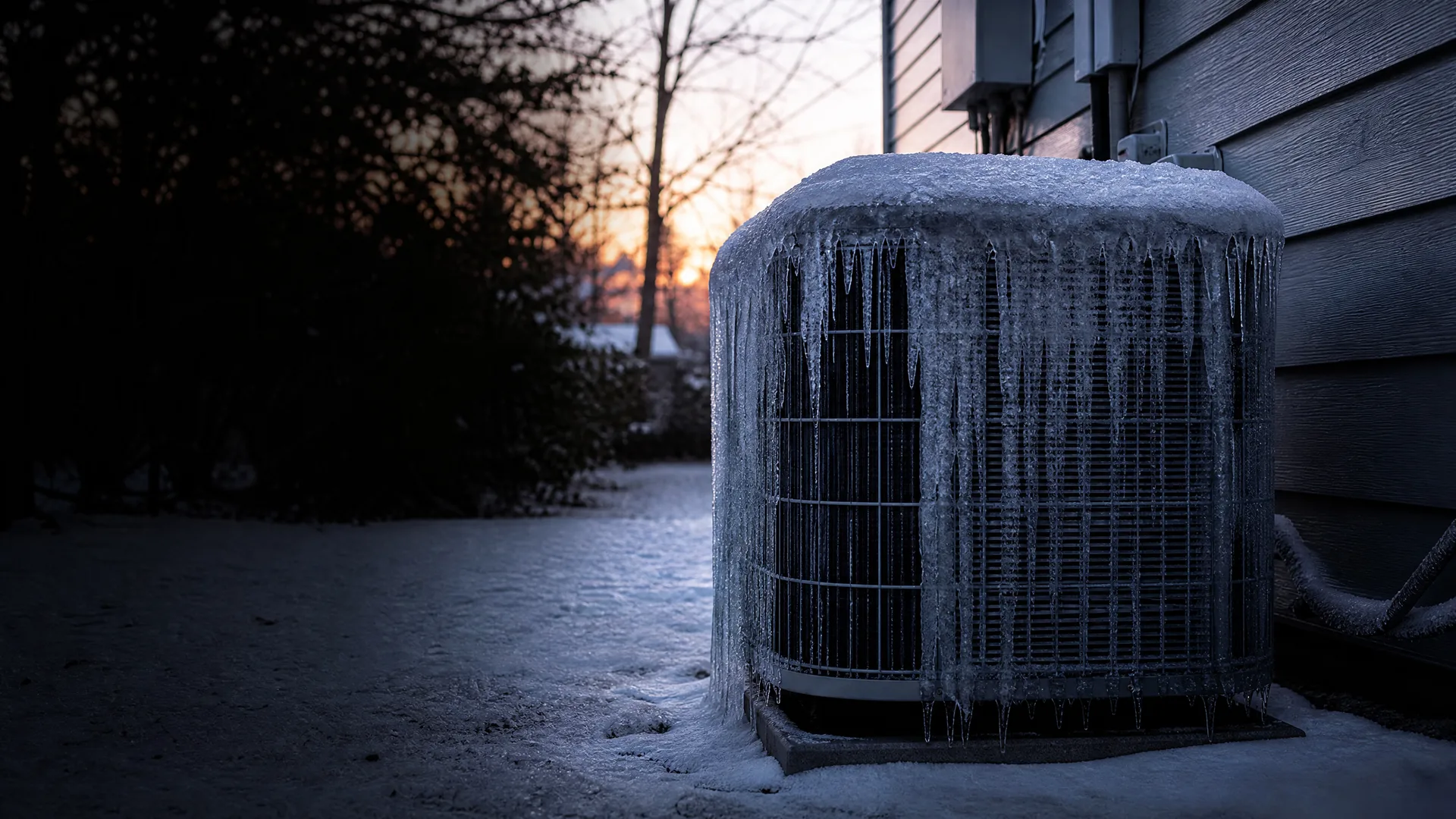
An outdoor condenser unit beside a horizontally sided house, encased in thick ice with hanging icicles, on snow-covered ground at dusk with bare trees and a sunset behind.

You walk out at first light to check on it, coffee in hand, boots crunching into the cold grass. The heat pump sits against the side of the house with a shell of ice over the coils, thick enough that you can't see the metal fins underneath. Nothing is spinning. No hum. The ground around the base is wet where yesterday's thaw and last night's freeze have taken turns with it. Inside, the house has gone a little cooler than you set it. You crouch down and knock on the ice with a knuckle, like that might tell you something. It doesn't.

Why won't my heat pump turn on at all, no sound, nothing?

You flip the thermostat up and walk away expecting to hear the familiar hum a minute later. Instead there's nothing. No fan, no click, no hum from outside. With power here as cheap as it is, most homes in Tennessee lean on electric heat pumps to carry the winter, so a unit that goes completely silent during a cold snap gets your attention fast.

A dead unit usually means it isn't getting power or the thermostat isn't calling for heat

A heat pump has two places where power can stop before it ever reaches the compressor: the breaker panel and the disconnect box mounted right next to the outdoor unit. That disconnect has its own small breaker or fuse inside it, separate from the one in your main panel, and it's an easy thing to overlook. If both are fine, the next check is the thermostat. A thermostat with dead batteries or a loose wire behind it won't send the signal to start, so the outdoor unit sits there with power available and never gets told to run. A contractor working heat pumps in Tennessee through the winter checks both before touching anything else, because most no-start calls end there.

  1. Thermostat calls for heat and sends power to the control board.

  2. Control board checks the safety switches before starting anything.

  3. Low pressure or high pressure switch can block the signal right there.

  4. If switches pass, the board energizes the contactor in the outdoor unit.

A gray-haired man in a dark long-sleeve shirt sits on a gray sofa in a living room, looking toward a sunlit window with sheer curtains.
A gray-haired man in a dark green sweatshirt sits on a sofa in a living room, looking toward a bright window, with a houseplant, lamp, fireplace and framed art behind him.
A gray-haired bearded man in a dark green collared sweater sits on a sofa in a living room with a window, houseplant, floor lamp and bookshelves, looking off to the side.
A gray-haired man in a dark green sweater sits on a sofa in a sunlit living room, looking off to the side, with a framed landscape painting, dining table and shelving behind him.

The defrost cycle and the freeze-up

A heat pump runs its outdoor coil cold enough in winter that frost builds on it during normal operation. The system is built to reverse itself every so often, melt that frost off, then switch back to heating. If the defrost board or the sensor that tells it when to reverse fails, the ice keeps building instead of clearing. Past a certain point the unit senses it can't move air through an iced coil and shuts itself down rather than run the compressor against it. That's a safety response, not a malfunction of the compressor itself.
Why the breaker trips twice

A breaker trips once for all kinds of reasons, a surge, a loose wire jostled during a storm. It tripping again right after you reset it means something is drawing more current than it should, and that's usually the compressor or the fan motor straining to start. Running power through a motor that's failing can damage it further or create a fire risk at the panel. A contractor licensed to work on this equipment can test the motor and the wiring before power goes back to it, which matters more than getting it running again fast.

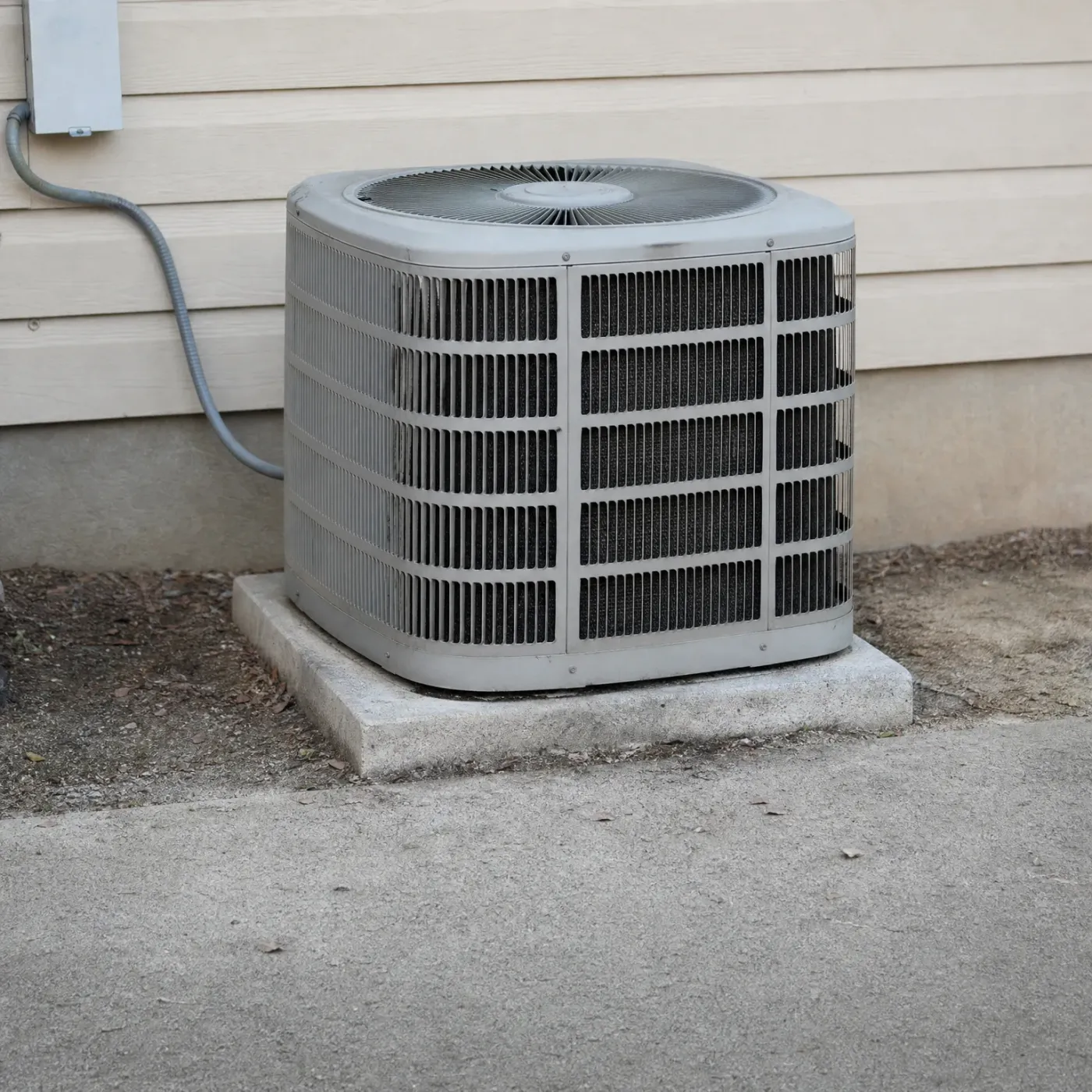
An outdoor air conditioner condenser unit on a concrete pad beside a house with beige horizontal siding, with conduit running from an electrical box on the wall.
Before you get your heat pump repair
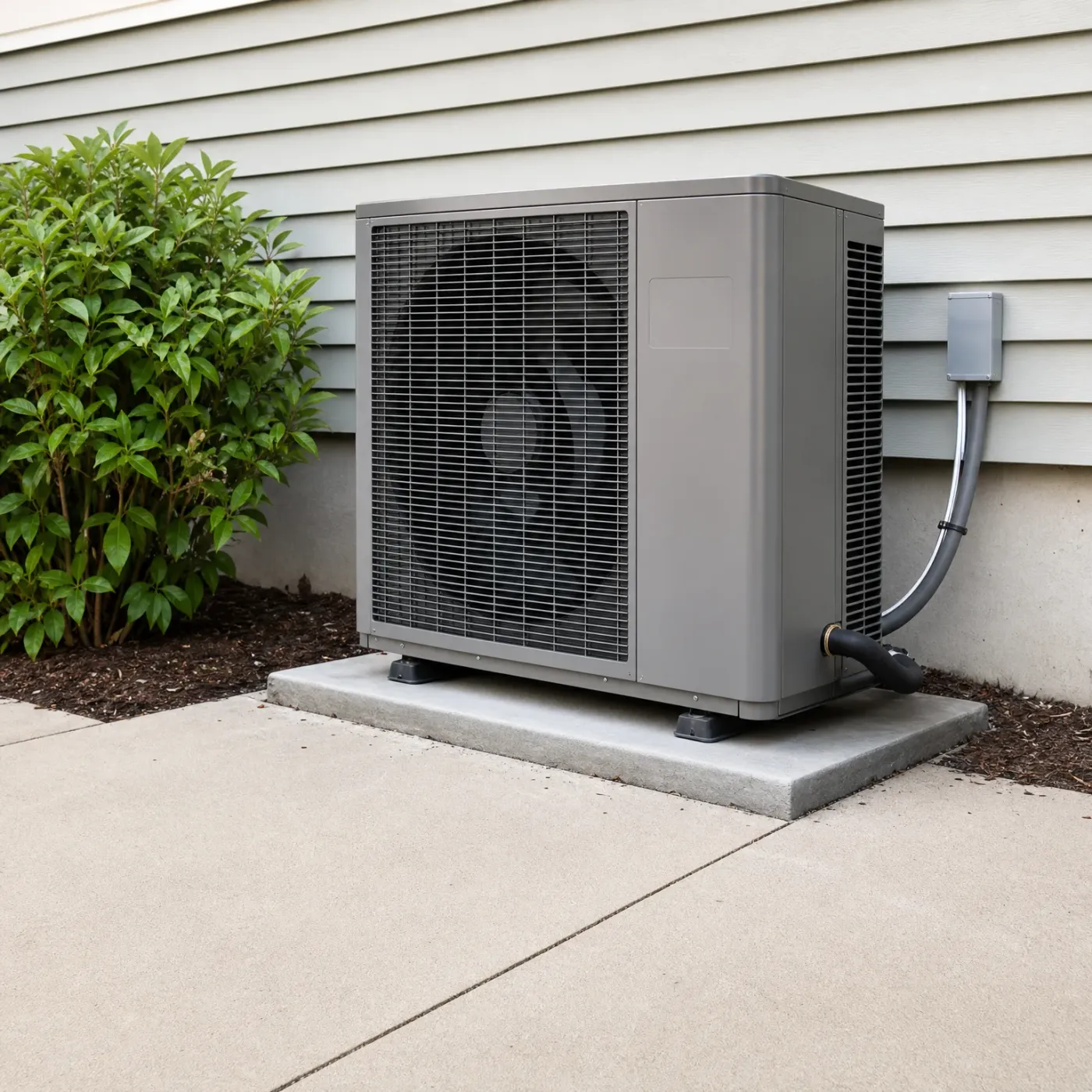
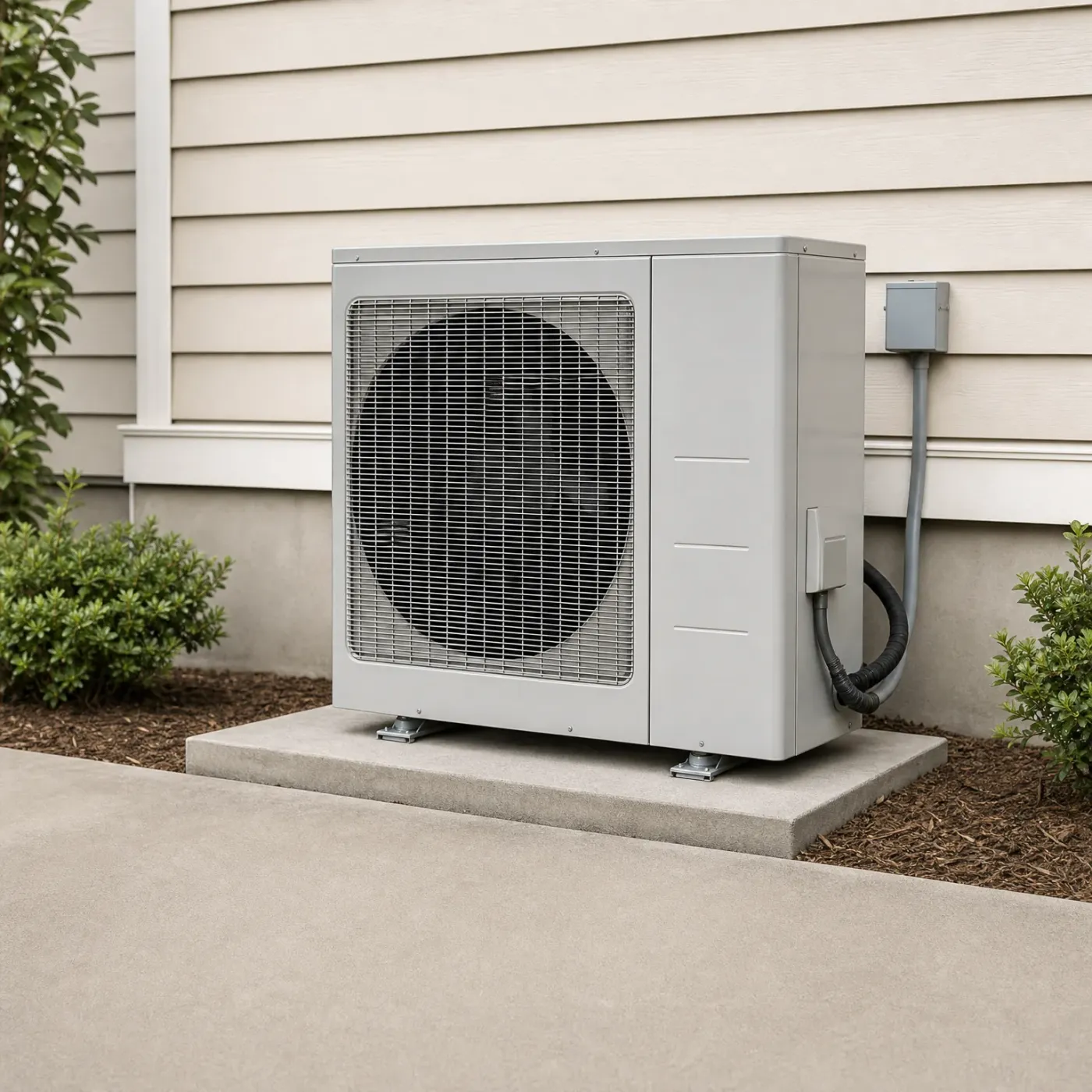
A gray outdoor heat pump unit on a concrete pad beside a house with horizontal lap siding, connected by conduit and a flexible line to a wall-mounted disconnect box, with low shrubs and mulch nearby.
After you get your heat pump repair
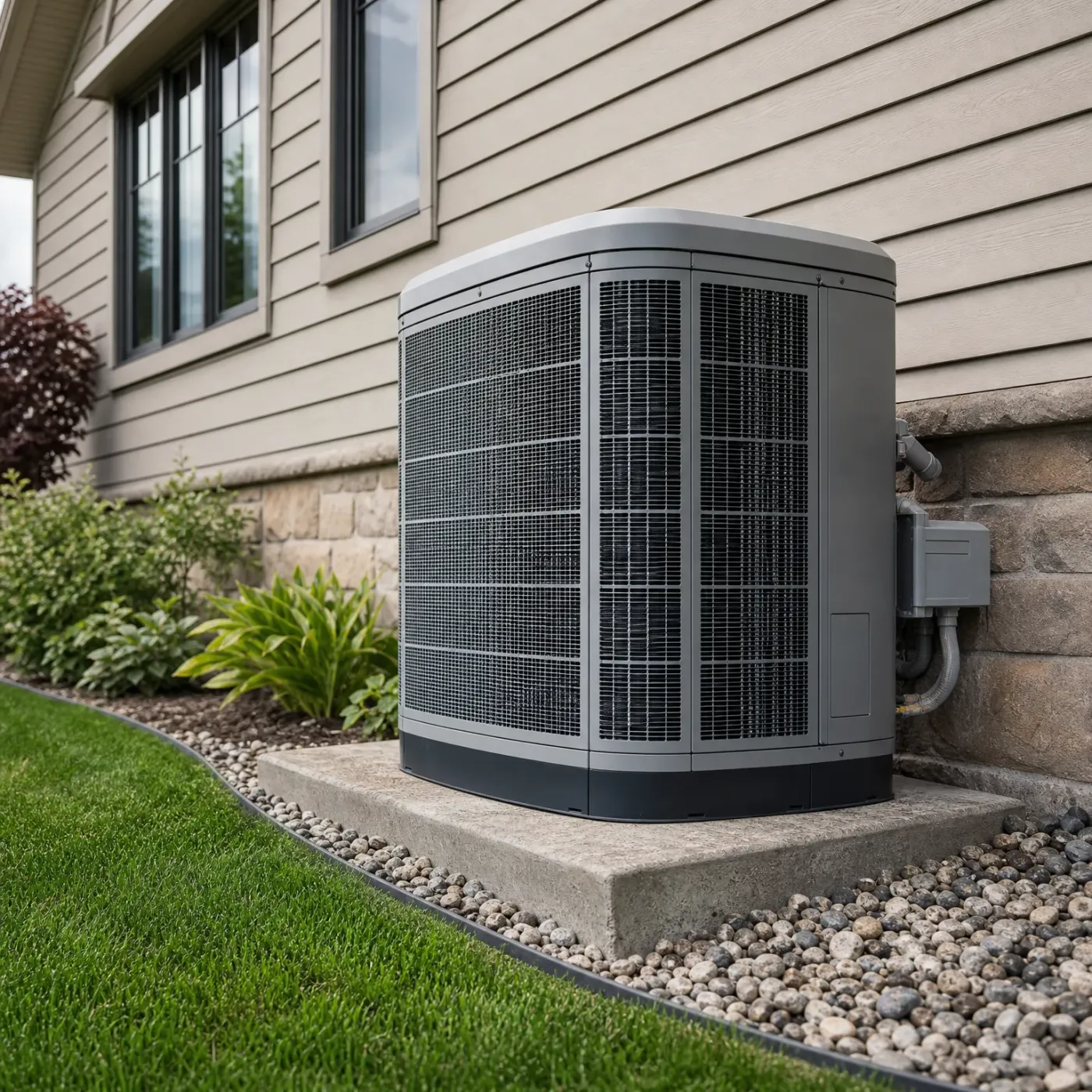
A gray outdoor condenser unit on a concrete pad beside a house with horizontal lap siding and a stone foundation, with a lawn, shrubs and decorative gravel nearby.

Hand off the search today

Only one pro gets your request, so you hear from one company.

Send the request today and let a heat pump pro reach out to you.

I'm done searching

It costs nothing to send, and you don't have to hire anyone.

A gray outdoor heat pump unit on a concrete pad beside a house with horizontal lap siding, with a conduit running to a wall-mounted disconnect box and a green shrub to the left.
A unit kept clear like this starts on the first call for heat, because nothing is blocking the coil or the base pan underneath it.
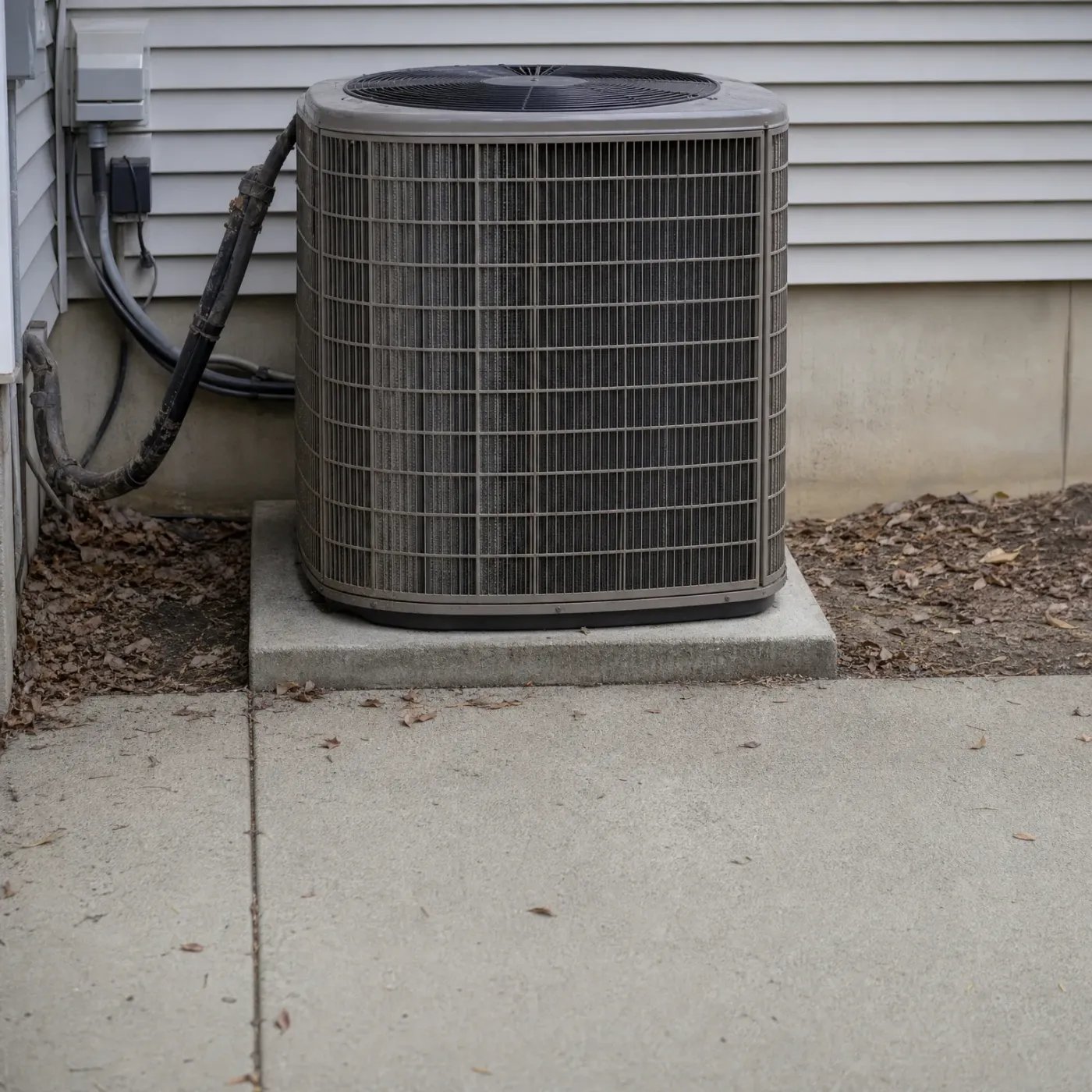
An outdoor air conditioner condenser unit on a concrete pad beside a house with horizontal vinyl siding, with refrigerant lines and an electrical disconnect box on the wall and dry leaves on the ground.
Leaves packed against the base and grime on the coil fins make the unit work harder, and some units shut down rather than run like that.

Is your house running on backup heat right now?

Walk through and put a hand near the vents. If the air feels warm but not hot, or if you hear the system running louder than usual, your heat pump may have kicked over to backup electric heat because it can't start normally. Check the thermostat display for anything that says "emergency heat" or "aux heat." That backup heat will keep the house warm, but it draws a lot more power to do it, and with electricity being most homes' only heat source here, that difference shows up fast. The longer the heat pump itself sits off, the longer you're paying for the more expensive way to stay warm.

A single-story red brick building with a shingled hip roof, large windows and a recessed central entry, fronted by a wide empty asphalt parking area with sun glare, surrounded by green deciduous trees.

Summers here run heavy. Average dew point across June, July and August is 66°F, and that's the number that tells you how much moisture your heat pump is pulling out of the air on top of cooling it. That extra load means longer run times and a coil that stays wet most of the day. If drainage is slow or airflow is already weak, that moisture has somewhere to go wrong, and a clogged condensate line or a frozen coil in summer can shut the system down the same way a bad switch does in winter. A unit that won't start on a muggy afternoon is often fighting the same safety switches, just triggered by water instead of ice.

Source: NOAA climate normals for Tennessee.

NASA POWER T2MDEW county cells weighted by homes

Fix It Yourself or Call a Tech

Call a repair tech

  • A tech who works on heat pumps all season already knows the handful of things that usually cause a no-start, and checks those first.
  • Covered under warranty, a licensed tech's diagnosis is the kind manufacturers ask for before they'll honor a parts claim.
  • A board, a reversing valve, or a pressure switch gets tested with the right tools, so you're not guessing which part actually failed.
  • If the system shut itself down on a safety switch, a tech can tell you why it tripped instead of just resetting it and hoping.
  • Your heat pump gets back to heating the house on electric power you're already paying cheap rates for, instead of sitting idle.

Keep troubleshooting yourself

  • Checking the breaker, the thermostat batteries, and the outdoor disconnect costs you nothing and rules out the simplest causes fast.
  • Without test equipment, there's no way to tell if a pressure switch tripped for a real reason or a faulty one.
  • Resetting a breaker that trips again means something is drawing too much current, and running it again risks the compressor.
  • A frozen coil needs the defrost cycle working, not a hair dryer or a hose, and you can't fix a bad defrost board yourself.
  • Time spent guessing is time your house runs on backup electric heat, or doesn't heat at all.
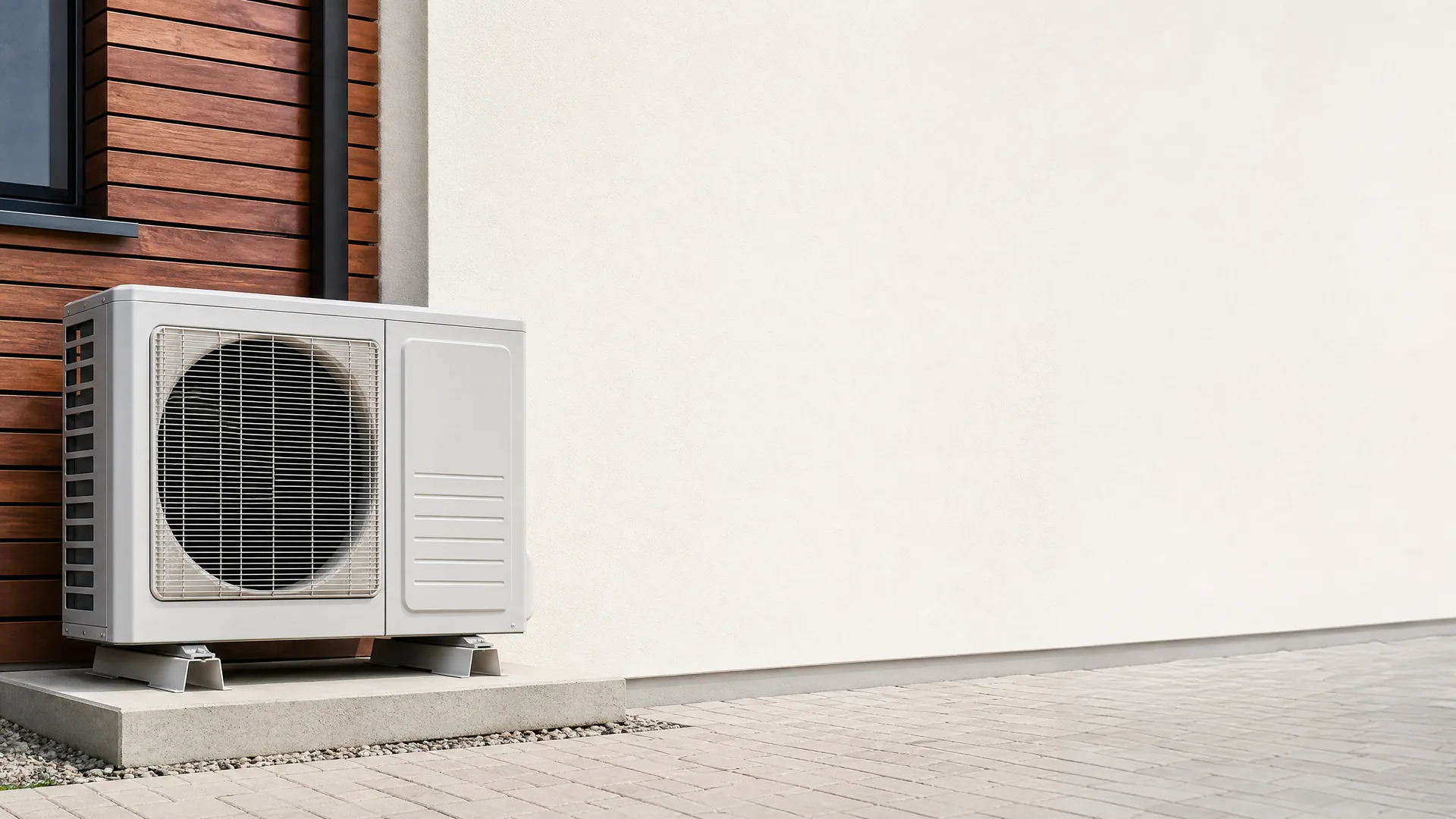
A white outdoor heat pump unit on a concrete pad beside a house with wood-slat siding and a large plain light-colored stucco wall, with paving stones in the foreground.

Waiting it out yourself

You can keep flipping the breaker and resetting the thermostat, hoping the next try sticks. Sometimes it does, if the cause was a brief power blip. But if a switch shut the system down on purpose, it'll shut down again, and each restart attempt doesn't tell you which switch or why. Hours can pass this way with the house still cold and no closer to an answer.

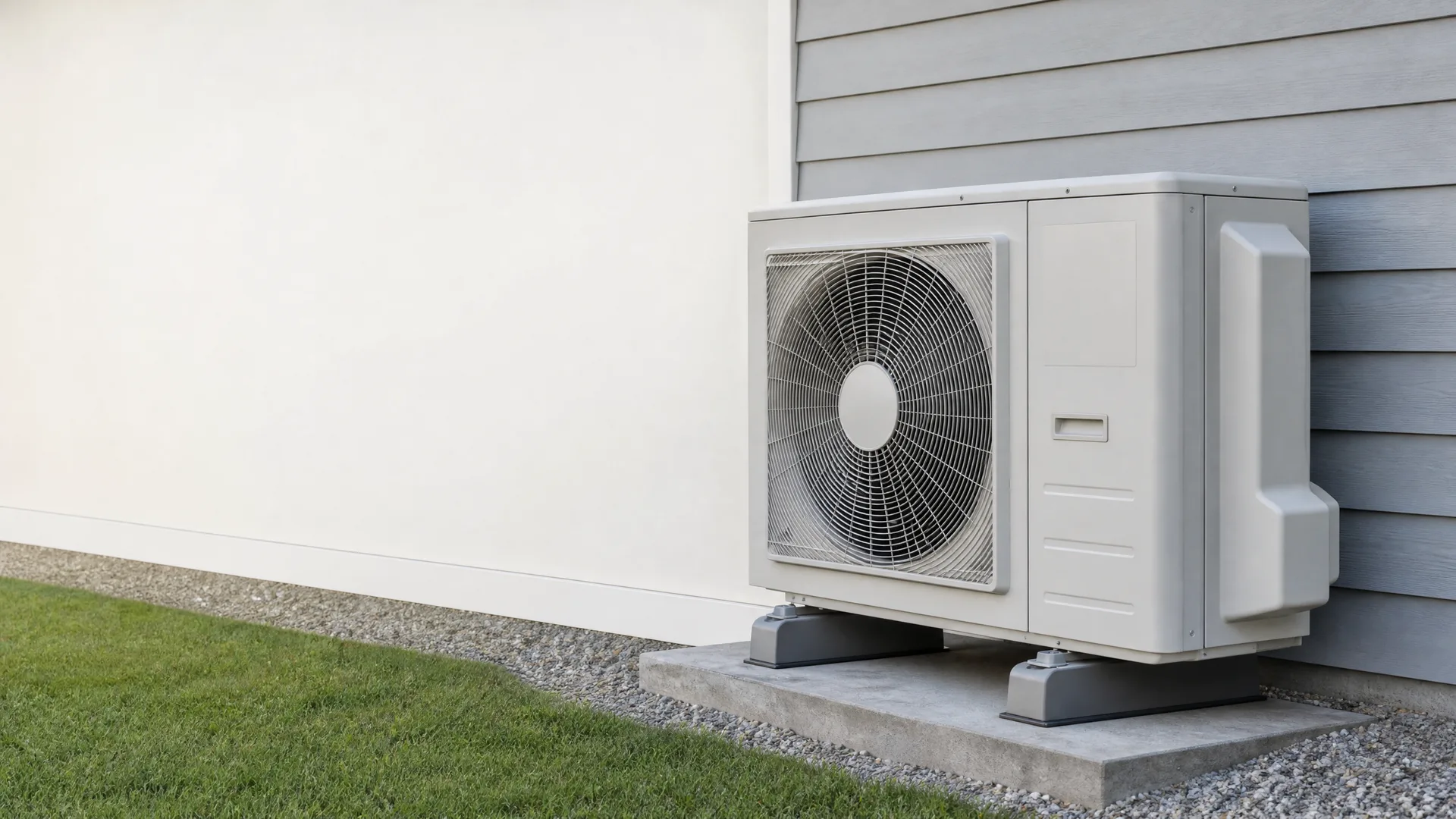
A white outdoor heat pump unit on rubber feet sits on a concrete pad beside a gray-sided house wall, next to a smooth light wall, gravel strip and lawn.

Having someone look at it

A tech who works on heat pumps all season checks the breaker, the switches, and the board in the order that actually finds the cause, not by guessing. You get a straight answer instead of a string of restarts. If the fix needs a part, that gets handled on the same visit instead of another round of trial and error on your own.

Power costs 13.22 cents per kilowatt-hour statewide

At 13.22 cents a kilowatt-hour, running your heat pump here costs less than it would almost anywhere else, which is part of why so many Tennessee homes heat with electricity instead of gas. That makes a no-start worth fixing fast. Backup electric heat still runs on that same cheap power, but it uses a lot more of it to do the same job.

EIA-861 2025 statewide residential average

A woman with shoulder-length dark brown hair in a cream knit cardigan sits in an upholstered armchair beside a window, looking off to the side, with a white bookshelf and potted plant blurred behind her.
A woman with her hair in a bun sits wrapped in a beige knitted blanket on a couch, holding a sleeping child against her chest in a warmly lit room with a lamp and houseplant in the background.

Where this leaves you

  • A no-start almost always traces back to power at the breaker, a thermostat setting, or a safety switch doing its job.
  • Checking the breaker and the thermostat first rules out the two simplest causes before anything else needs a look.
  • A switch that shuts the system down on purpose will keep shutting it down until the cause behind it gets fixed.
  • A local tech who services heat pumps all season already knows the handful of parts that usually cause this and checks those first.
  • Sending one request means one licensed contractor looking at your system, not a string of calls from companies competing for the job.
  • Backup electric heat can keep the house warm for now, but it runs at a higher cost than the heat pump was built to.

A heat pump that won't start is doing one of three things: it has no power, it's not getting a call from the thermostat, or a safety switch cut it off on purpose. That last one is the easy trap. You reset it, it runs for a few minutes or a few hours, then it quits again, because resetting a switch doesn't fix whatever tripped it. The breaker and the thermostat are worth checking yourself first, since both take a minute and rule themselves out fast. Past that point you're looking at a pressure switch, a control board, or something electrical that needs a meter and some know-how to find.

This is where a local contractor earns the call. Someone who services heat pumps all season in Tennessee has already seen most of what causes a no-start here, because the list isn't long and it repeats from house to house. They check the handful of usual suspects before they start guessing, and that's the difference between a short visit and a long one. Send one request and it goes to one licensed contractor, not a batch of companies all chasing the same job. No string of calls to field, no sorting through quotes. Until it's fixed, backup electric heat will keep the house warm, but it costs more to run than the heat pump it's standing in for, so there's a real reason not to let a no-start sit.

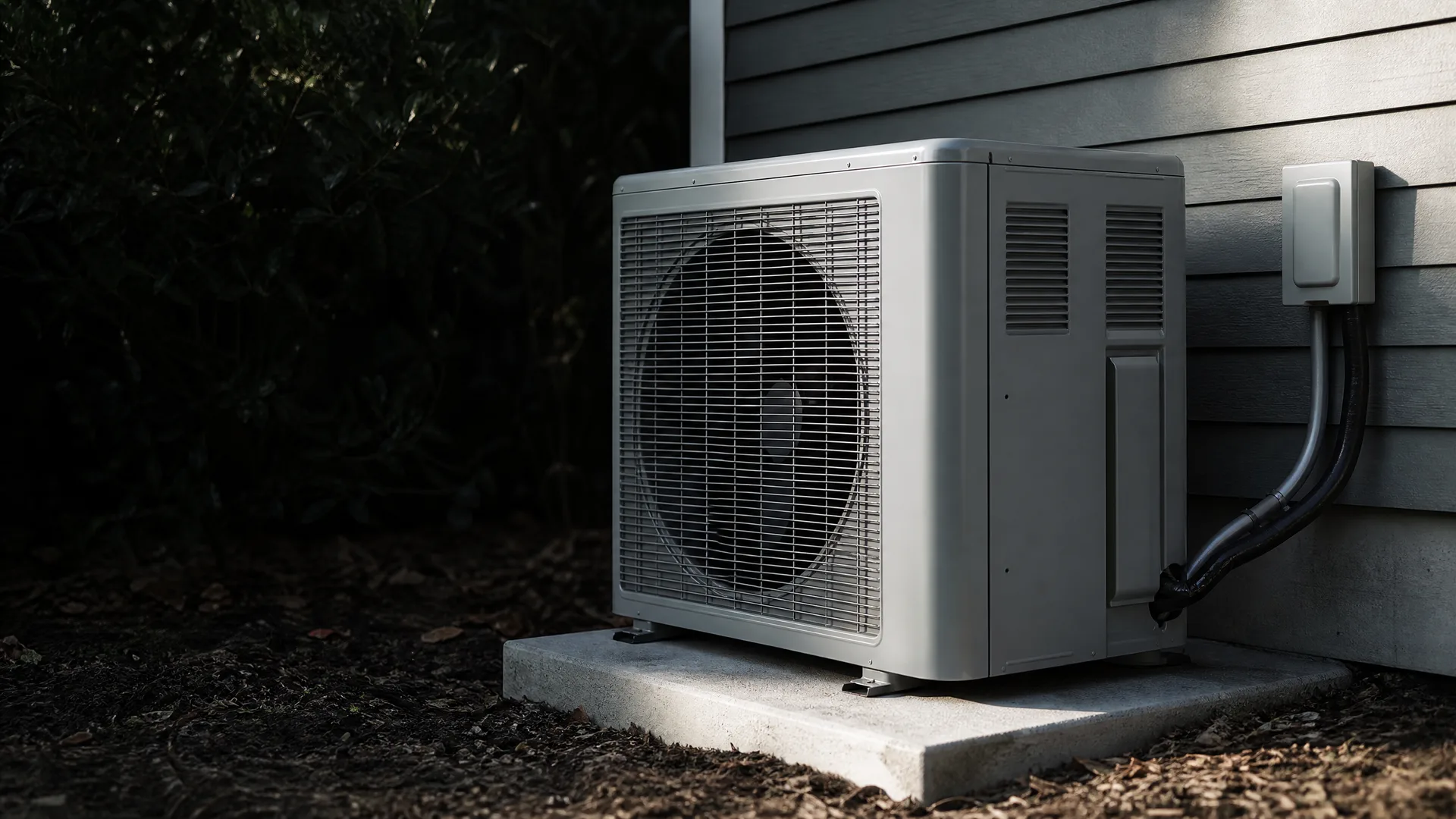
An outdoor air conditioning or heat pump condenser unit on a concrete pad beside a gray horizontal-sided house, with a disconnect box and conduit on the wall and dark shrubbery to the left.

Hand off the heat pump problem

Step 1 of 3: Equipment